Zinc benefits are real, but they are often oversold. This essential mineral supports immunity, wound healing, skin integrity, taste, smell, reproduction, and normal cell growth. The goal is not to take the highest dose you can find. Aim to get enough, correct true gaps, and avoid the problems that come with long-term overuse.
Quick Take
- Zinc is required for immune cell function, DNA synthesis, protein production, skin repair, and normal growth.
- Zinc lozenges may slightly shorten a cold when started early, but the evidence is mixed and side effects are common.
- Vegans, vegetarians, older adults, people with digestive disorders, and people with low food intake have a higher risk of inadequate zinc.
- The adult upper limit is 40 mg per day from food and supplements combined; long-term excess can reduce copper absorption.
- Food should do most of the work. Supplements are best used for confirmed risk, short-term needs, or clinician-guided correction.
What Zinc Does in the Body
Zinc is a trace mineral, meaning your body needs it in small amounts but uses it constantly. It acts as a cofactor for hundreds of enzymes involved in metabolism, immune signaling, antioxidant defense, tissue repair, and gene expression. The NIH Office of Dietary Supplements zinc fact sheet lists zinc as necessary for immune function, protein synthesis, wound healing, DNA synthesis, and normal taste and smell.
Your body does not store zinc the way it stores fat-soluble vitamins, so regular intake matters. That does not mean you need a large daily supplement. For many people, zinc benefits come from consistently eating zinc-rich foods. Good options include oysters, beef, crab, dark-meat poultry, yogurt, pumpkin seeds, cashews, chickpeas, lentils, and fortified cereals.
Absorption matters too. Animal foods tend to provide more readily absorbed zinc. Plant foods can still contribute meaningfully, but beans, grains, nuts, and seeds contain phytates. These compounds bind minerals and reduce absorption. Soaking, sprouting, fermenting, and choosing leavened breads can improve zinc availability from plant-based meals.
Zinc Benefits for Immunity and Colds
Zinc supports immunity in several practical ways. It helps maintain the skin and mucosal barriers that keep pathogens out. It also supports the development and activity of immune cells and helps regulate inflammatory responses. When intake is too low, immune defense can become less coordinated.
The cold question is more specific. Zinc lozenges may reduce the duration of common cold symptoms when started early. Results vary by formula, dose, timing, and study quality. A Cochrane review on zinc and the common cold found that zinc may shorten symptoms by about two days. It also noted uncertainty and more non-serious side effects, such as unpleasant taste and stomach upset.
Lozenges are different from standard capsules. The proposed effect depends on zinc ions contacting tissues in the mouth and throat. Swallowing a pill may not produce the same result. If you use zinc lozenges, choose products that clearly list zinc acetate or zinc gluconate. Follow label directions, and avoid turning a short-term cold strategy into long-term daily use.
For broader immune resilience, zinc works best alongside the basics. Prioritize enough protein, total calories, sleep, vitamin D status, iron status when relevant, and stress management. If low energy or frequent illness seems tied to a wider nutrient pattern, BeeFit’s guide to essential nutrients for mood, energy, and immunity can help you think beyond a single mineral.
Who Is Most Likely to Need More Zinc?
The people most likely to miss out on zinc benefits have low intake, reduced absorption, or higher needs. This includes strict vegans and vegetarians, older adults with smaller appetites, and people with Crohn’s disease or celiac disease. People recovering from major burns or wounds, and anyone with prolonged poor food intake, may also need more attention.
Possible deficiency signs include frequent infections, slow wound healing, poor appetite, hair shedding, changes in taste or smell, diarrhea, and certain skin issues. These symptoms are not specific to zinc. Iron deficiency, thyroid disease, protein deficiency, medication effects, inadequate calories, and chronic illness can look similar.
Testing can help, but it is not perfect. Inflammation, infection, recent meals, time of day, and albumin levels can affect plasma or serum zinc. If you suspect a deficiency, discuss symptoms, diet pattern, medical history, medications, and lab interpretation with a clinician. Do not rely on a single number.
Plant-based eaters do not need to panic. They may simply need more deliberate planning. Useful staples include legumes, tofu, tempeh, pumpkin seeds, hemp seeds, cashews, oats, fortified foods, and food-preparation methods that reduce phytates. If protein intake is also low, BeeFit’s plant vs. animal protein guide explains how to build a stronger protein pattern without assuming one diet works for everyone.
Zinc Benefits for Skin, Acne, and Wound Healing
Skin is one of the clearest places where zinc status can show up. Zinc is involved in collagen formation, cell division, immune defense, and inflammatory control. Reviews on zinc and wound healing describe its role in tissue repair, especially when deficiency or chronic wounds are present.
That does not mean high-dose zinc automatically heals wounds faster in well-nourished people. For a small cut, the essentials are cleaning, protection, adequate protein, enough calories, blood sugar control when relevant, and medical care if signs of infection appear. Zinc is one piece of the repair process, not a substitute for wound care.
Acne is similar. Zinc may help some people, particularly when inflammation or low zinc status is part of the picture. It is not a stand-alone acne cure. Oral zinc, zinc oxide, zinc pyrithione, and other topical forms are not interchangeable. The American Academy of Dermatology acne guideline emphasizes established treatments. These include benzoyl peroxide, topical retinoids, topical antibiotics in appropriate combinations, oral antibiotics when needed, and isotretinoin for severe cases.
If you have persistent acne, slow-healing wounds, eczema-like flares, or recurrent skin infections, see a clinician or dermatologist. A short zinc trial may be reasonable in some cases, but dose, duration, copper balance, and medication interactions matter.
Zinc Dosage, Food Sources, and Supplement Forms
Adult zinc needs are modest: 11 mg per day for men and 8 mg per day for women. Needs rise during pregnancy and lactation. Many multivitamins contain zinc near the daily value. That may be enough for people who eat inconsistently but do not need a therapeutic dose.
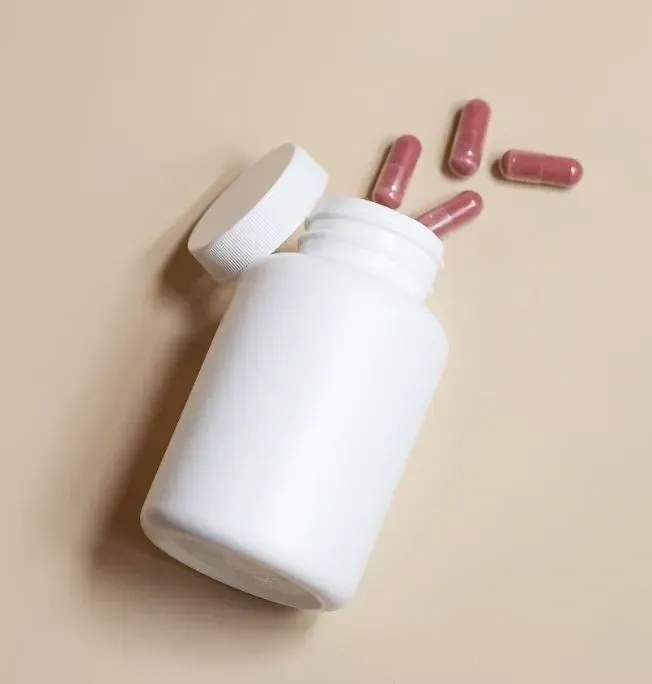
Common supplement forms include zinc gluconate, zinc citrate, zinc picolinate, zinc bisglycinate, and zinc sulfate. For general supplementation, tolerability and total elemental zinc matter more than marketing claims. For colds, the research is mainly on lozenges, especially zinc acetate and zinc gluconate.
Take zinc with food if it upsets your stomach. Avoid taking it at the same time as iron, calcium, or magnesium supplements if you are trying to maximize absorption. Minerals can compete. Zinc can also interfere with certain antibiotics and penicillamine. If you take prescription medication, ask your pharmacist how to separate doses.
Because the goal is sufficiency, not excess, a practical food-first target is simple: include a zinc-rich food most days. If your diet is very restricted, a low-dose supplement may be more sensible than occasional high-dose use. For broader nutrient planning, BeeFit’s guide to supplements for long-lasting energy reinforces the same principle: supplements help most when they correct an actual gap.
Safety: When Zinc Becomes Too Much
The adult tolerable upper intake level for zinc is 40 mg per day from food and supplements combined. Researchers or clinicians may use short-term intake above that level in specific settings. It should not become a casual daily habit.
Too much zinc can cause nausea, vomiting, abdominal cramps, diarrhea, metallic taste, and headache. Long-term high intake can reduce copper absorption. That may contribute to anemia, low white blood cell counts, immune problems, and neurological symptoms. This is the safety issue most people miss when they take high-dose zinc for months.
Avoid intranasal zinc products unless a medical professional specifically advises them. Some nasal zinc products have been associated with loss of smell. Oral forms are the safer route when zinc is appropriate.
FAQ
What is the best form of zinc?
Zinc citrate, gluconate, picolinate, and bisglycinate are common options for general use. For cold lozenges, trials most often discuss zinc acetate or zinc gluconate. Check the label for elemental zinc, not just total compound weight.
Can zinc help with hair loss?
Only if low zinc status is contributing to the problem. Hair loss can also come from iron deficiency, thyroid issues, stress, low calories, medication changes, hormonal shifts, or scalp disease. More zinc will not improve hair growth if your zinc status is already adequate.
Should I take zinc every day?
Daily low-dose zinc may make sense if your intake is consistently low or your clinician recommends it. High-dose daily zinc is different. Keep it time-limited or medically supervised, especially if it exceeds the adult upper limit of 40 mg per day.
The Bottom Line on Zinc Benefits
Zinc benefits are most meaningful when you are moving from inadequate intake to adequate intake. Use food as the foundation, consider supplements when risk is clear, and treat high-dose zinc as a short-term or clinician-guided tool rather than a daily wellness default.
This article is for informational purposes only and is not a substitute for professional medical advice, diagnosis, or treatment. Speak with a qualified healthcare provider before starting zinc supplements, especially if you are pregnant, managing a medical condition, taking prescription medication, or considering high-dose use.
Discover more from BeeFit: Fitness & Wellness
Subscribe to get the latest posts sent to your email.
Share :