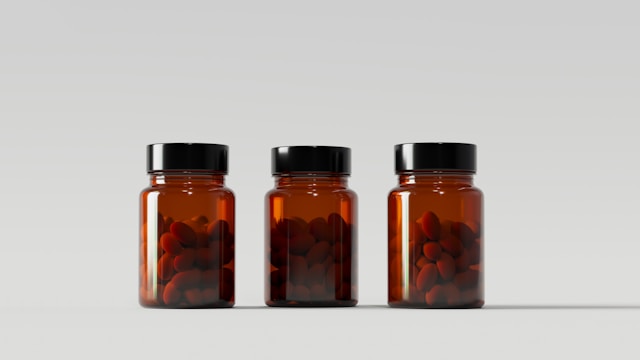
CoQ10 benefits are most relevant when the supplement matches a specific need: heart-health conversations, statin-related muscle concerns, healthy aging, or fatigue that may involve cellular energy. CoQ10 is not a cure-all, but your body uses it directly in mitochondrial energy production.
Quick Take
- CoQ10 helps cells make ATP and also works as an antioxidant.
- Levels may decline with age and can be affected by statin medications.
- The strongest use case is clinician-guided heart-health support, not replacing medical care.
- Take CoQ10 with a meal that contains fat to improve absorption.
- Choose third-party tested products with clear dosing instead of relying on brand hype.
What CoQ10 Does in the Body
Coenzyme Q10, usually shortened to CoQ10, is a compound your body makes naturally. It is found in many tissues, especially organs that need steady energy. The National Center for Complementary and Integrative Health describes CoQ10 as a naturally present substance and a supplement studied for several health conditions.
Its main job is helping mitochondria produce ATP, the energy currency cells use to function. CoQ10 also participates in antioxidant defense. Those mechanisms are promising, but mechanism alone does not prove that a supplement will improve symptoms, prevent disease, or increase performance.
Food provides small amounts of CoQ10, and the body makes the rest. Production can vary with age, health status, and medication use. That is why CoQ10 benefits should be viewed as targeted rather than something every healthy adult automatically needs.
CoQ10 Benefits: Where the Evidence Is Most Relevant
The research is mixed: useful in some clinical contexts, modest or inconsistent in others. A practical approach separates medical uses from wellness and performance claims.
CoQ10 benefits for heart health support
CoQ10 has been studied as an add-on therapy in people with chronic heart failure. In the Q-SYMBIO randomized trial, CoQ10 was used alongside standard treatment and was associated with fewer major adverse cardiovascular events over longer follow-up. The trial is available through PubMed.
This does not mean CoQ10 replaces heart medication or guideline-based care. If you have heart failure, chest pain, arrhythmia, high blood pressure, or a history of cardiovascular disease, discuss it with your clinician first.
CoQ10 benefits and statin-related muscle symptoms
Statins can lower circulating CoQ10 because cholesterol synthesis and CoQ10 production share part of the same biochemical pathway. That makes supplementation a reasonable question for people who develop muscle aches, cramps, or unusual fatigue after starting or increasing a statin.
The evidence is not settled. Some analyses report improvement in statin-associated muscle symptoms, while others do not show a clear benefit. One systematic review and meta-analysis found no meaningful improvement in statin-associated muscle pain or statin adherence.
Do not stop a statin on your own. Ask your clinician about dosage, interactions, thyroid function, vitamin D status, training load, and whether a monitored CoQ10 trial makes sense.
CoQ10 for energy, fatigue, and exercise
Because CoQ10 supports ATP production, it is often marketed for energy. That claim is plausible, but the real-world effect varies. Older adults, statin users, and people with certain health conditions may notice more than healthy young adults who already sleep well, eat enough, and train consistently.
For athletes, CoQ10 benefits are less reliable than supplement labels suggest. A systematic review and meta-analysis found that supplementation increased blood CoQ10 levels but had limited and inconsistent effects on exercise performance in healthy adults. If performance or recovery is your goal, sleep, protein, carbohydrate intake, hydration, and progressive programming should come first. BeeFit’s guide to muscle recovery supplements is a better starting point if soreness or recovery is the main issue.
CoQ10 benefits for aging claims
CoQ10 is also promoted for brain health, skin, fertility, migraines, and longevity. Some condition-specific research is interesting, but many claims are stronger than the evidence supports. Treat these uses as possible, not proven for everyone.
For healthy aging, CoQ10 is best viewed as one possible support tool, not the foundation. Resistance training, a nutrient-dense diet, blood pressure control, sleep, and not smoking carry far more weight. If your main concern is midlife strength or muscle retention, BeeFit’s guide to creatine for women over 40 may be useful for comparison.
CoQ10 Food Sources and Supplement Forms
Food contains CoQ10, usually in much smaller amounts than supplements. Fatty fish, organ meats, beef, chicken, nuts, seeds, spinach, broccoli, cauliflower, and whole grains can add modest amounts while providing other nutrients.
A food-first approach remains sensible. Supplements may provide higher doses, but they do not replace a balanced diet. For broader nutrient coverage, BeeFit’s guide to essential nutrients for mood, energy, and immunity gives a wider view of nutrients that often matter more than a single capsule.
Most supplemental CoQ10 comes as ubiquinone or ubiquinol. Ubiquinone is the oxidized form, while ubiquinol is the reduced form. Your body can convert between them. Ubiquinol is often marketed as easier to absorb, especially for older adults, but high-quality ubiquinone can still raise blood CoQ10 levels and may cost less.
How to Take CoQ10
Common supplement doses range from 100 to 300 mg per day. In medical research, dosing varies by condition, and higher doses should be guided by a clinician. For general support, start with the lowest reasonable dose and evaluate after several weeks.
Absorption is better when CoQ10 is taken with a meal that contains fat. A softgel or oil-based formula may be easier to absorb than a dry capsule, although product quality still matters.
How to Choose a CoQ10 Supplement
The best supplement is not always the one with the loudest absorption claim. CoQ10 benefits depend on the right use case, consistent intake, and product quality. A clean, well-tested product at a dose you can take consistently is usually better than an expensive formula built around dramatic marketing language.
- Form: Ubiquinone is common and often more affordable. Ubiquinol may be worth considering for older adults or people who have not responded to ubiquinone.
- Delivery: Softgels and oil-based products may be better absorbed than dry powders.
- Testing: Look for third-party verification when available, such as USP, NSF, Informed Choice, or ConsumerLab participation.
- Dose transparency: Avoid proprietary blends that hide the actual CoQ10 amount.
- Medication fit: Check with a clinician if you use warfarin, blood pressure medication, diabetes medication, chemotherapy drugs, or multiple prescriptions.
Popular brands often include Qunol, Nature Made, Doctor’s Best, NOW Foods, Life Extension, and Thorne, but formulas and prices change. Compare the label, dose, form, testing, and total cost per serving. If a product promises dramatic anti-aging, fat loss, or heart-disease reversal, move on.
CoQ10 Safety, Side Effects, and Cautions
CoQ10 is generally well tolerated. Possible side effects include nausea, stomach discomfort, appetite changes, headache, rash, or insomnia. Taking it with food and dividing the dose can reduce digestive issues.
Use more caution if you are pregnant, breastfeeding, scheduled for surgery, undergoing cancer treatment, or managing a chronic condition. CoQ10 may interact with warfarin and may influence blood pressure or blood sugar in some people.
Supplements are regulated differently than medications in the United States. The FDA’s dietary supplement guidance explains that companies are responsible for evaluating safety and labeling before products reach the market. That is another reason third-party testing and conservative claims matter.
FAQ: CoQ10 Use
How long does CoQ10 take to work?
Give it at least four to eight weeks of consistent use before judging subtle changes in energy or muscle symptoms. Cardiovascular uses require clinician monitoring and should not be judged by day-to-day feelings alone.
Can I take CoQ10 with a statin?
Many people do, but ask your prescribing clinician first, especially if you have muscle symptoms. Do not stop, reduce, or change a statin without medical guidance.
The Bottom Line on CoQ10 Benefits
CoQ10 benefits are most credible when the supplement matches a real need: statin-related questions, clinician-guided heart-health discussions, aging-related declines, or targeted fatigue support. It is not a replacement for medication, sleep, training, nutrition, or medical care, but it can be reasonable when chosen carefully.
This article is for informational purposes only and does not substitute for professional medical advice, diagnosis, or treatment. Always consult your healthcare provider before starting CoQ10, especially if you have a medical condition, take prescription medication, are pregnant or breastfeeding, or are preparing for surgery.
Photo: Planet Volumes / Unsplash
Discover more from BeeFit: Fitness & Wellness
Subscribe to get the latest posts sent to your email.
Share :