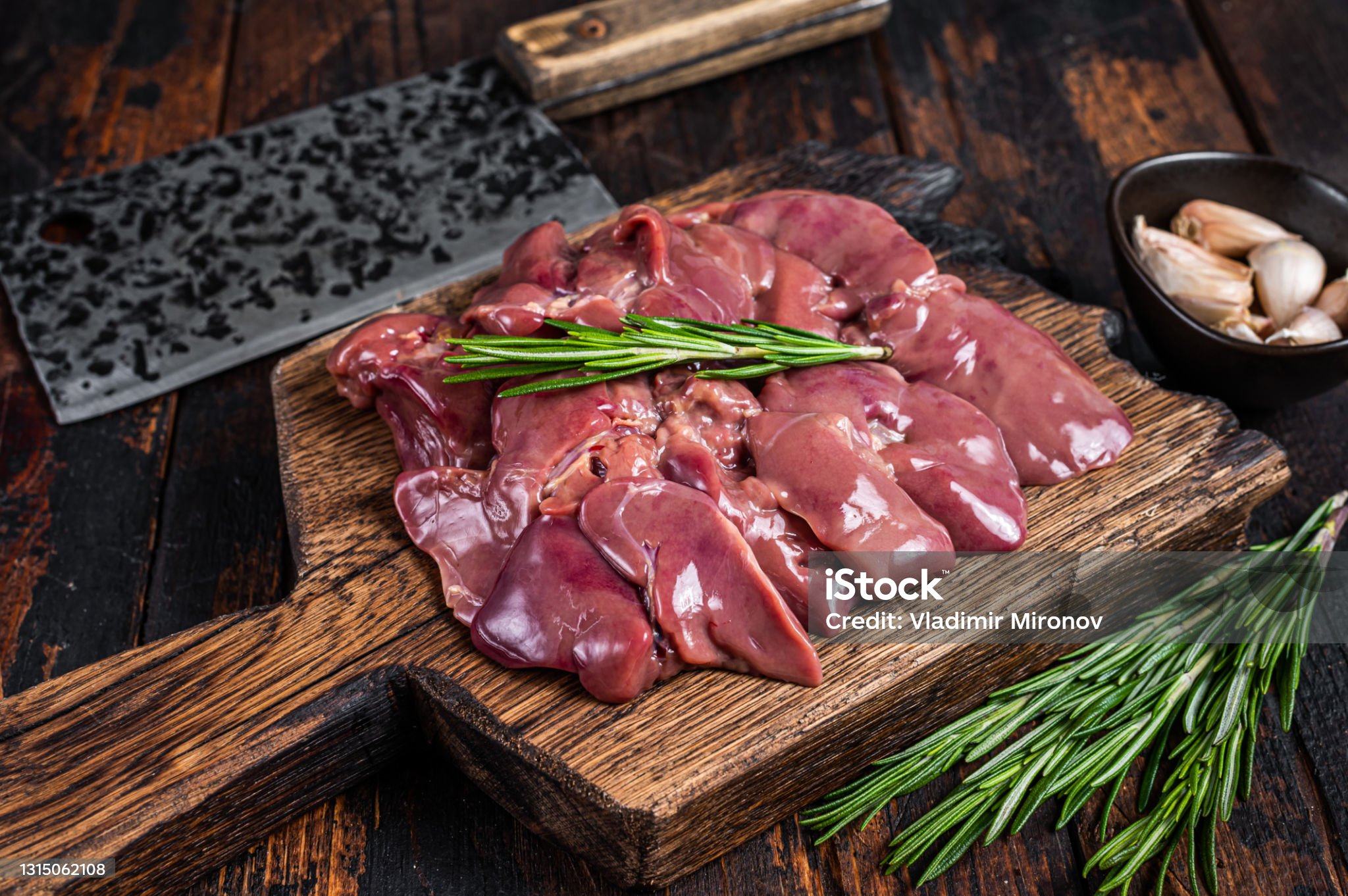
Organ meats benefits are real, but they are often oversold or explained poorly. Liver, heart, kidney, tongue, and other edible organs can add protein, iron, vitamin B12, choline, selenium, and other nutrients to a balanced diet. The key is using them like a concentrated food, not treating them as something everyone should eat in large amounts.
Quick Take
- Organ meats are nutrient-dense animal foods, especially liver, heart, kidney, tongue, and spleen.
- Liver is especially rich in vitamin A, vitamin B12, copper, iron, and choline, so small servings can go a long way.
- People with gout, kidney disease, iron overload disorders, or pregnancy-related vitamin A concerns should be cautious and ask a clinician.
- Start with small amounts in familiar meals, cook safely, and rotate organ meats rather than relying only on liver.
What Counts as Organ Meat?
Organ meats, also called offal, are the edible internal organs and related animal parts that are not typical muscle cuts. Common examples include liver, heart, kidney, tongue, tripe, spleen, sweetbreads, and brain.
Many traditional cuisines use these foods because they are flavorful, economical, and reduce waste from the animal. In the United States, they are less common than chicken breast, steak, or ground beef, but they remain available through butchers, farmers markets, international grocers, and some grocery meat departments.
Not all organs taste or cook the same. Heart and tongue behave more like muscle meat. Liver has a stronger mineral flavor and a softer texture. Kidney and tripe usually need more preparation and a recipe that handles their distinctive taste.
Organ Meats Benefits: Why They Are So Nutrient-Dense
The main reason people talk about organ meats benefits is nutrient density. Compared with many muscle meats, organs often provide a broader mix of micronutrients per serving. That does not make steak or chicken “bad.” It means organs can fill gaps that plain muscle meat may not cover as efficiently.
Liver is the standout. According to USDA-linked nutrient data, cooked beef liver is very high in vitamin B12, vitamin A, copper, riboflavin, folate, iron, and protein. The NIH Office of Dietary Supplements also lists pan-fried beef liver as one of the richest food sources of choline, a nutrient involved in cell membranes, nervous system signaling, and normal liver function.
Heart offers a different profile. It is rich in protein, iron, zinc, selenium, and B vitamins, while its texture is closer to steak than liver. Kidney can provide selenium and B12. Tongue is usually fattier and less micronutrient-dense than liver, but it can be an accessible entry point because it is tender when cooked slowly.
For active people, the protein matters too. Organ meats provide complete protein, meaning they contain all essential amino acids. If your broader goal is building meals around adequate protein, BeeFit’s guide to high-protein meals for fat loss and muscle gain can help you place organ meats in a more complete nutrition strategy.
Best Organ Meats to Try First for Benefits
If you are new to organ meats, do not start with a giant plate of liver. Strong flavors are easier to accept when the serving is small, the seasoning is familiar, and the texture is handled well.
- Chicken liver: Milder than beef liver and useful for pâté, chopped liver, or blending into ground meat.
- Beef heart: Lean, firm, and steak-like when sliced thin and cooked quickly or braised until tender.
- Beef tongue: Mild and tender after slow cooking; works well in tacos, bowls, or sandwiches.
- Kidney: Nutrient-rich but stronger tasting; soaking and slow cooking can make it more approachable.
- Liver: The most nutrient-dense option, but also the one most likely to require portion control.
A practical starting point is one to two ounces of liver mixed into a pound of ground beef for meatballs, chili, burgers, or meatloaf. You get some organ meats benefits without making the whole meal taste like liver.
Risks and Who Should Be Cautious
The same concentration that makes organ meats useful can create problems when portions are too large or health conditions are present. Liver deserves the most caution because it is high in preformed vitamin A. The NIH notes that vitamin A toxicity can occur from excessive intake of preformed vitamin A, including from high-vitamin-A foods such as liver, and excess intake is especially important to avoid during pregnancy because of potential fetal risk. See the NIH fact sheet on vitamin A and carotenoids for detailed guidance.
People with gout or high uric acid should be careful with liver, kidney, tongue, and sweetbreads. The National Institute of Arthritis and Musculoskeletal and Skin Diseases advises people with gout to avoid or limit organ meats that are higher in purines, because these foods may raise urate levels and contribute to flares in susceptible individuals.
People with hemochromatosis or other iron overload conditions should also speak with a clinician before regularly eating iron-rich organs. The same goes for anyone with chronic kidney disease, complex cardiovascular risk, or a medically prescribed low-purine or low-protein diet.
It is also worth correcting a common oversimplification: the liver helps process and eliminate substances, but that does not mean liver is automatically unsafe or magically “detoxifying.” Food quality, animal health, sourcing, and preparation still matter. Organ meats are food, not a detox protocol.
How Often Should You Eat Organ Meats for Benefits?
There is no universal schedule. For many healthy adults, a modest serving of liver once a week or a few small portions of mixed organs across the month is enough to capture organ meats benefits without overdoing the most concentrated nutrients.
Think in ounces, not heaping plates. A three-ounce portion of liver can be nutritionally powerful. Heart or tongue can usually be treated more like other meats, although variety still matters. Rotate organs with fish, eggs, dairy, poultry, legumes, lean meats, fruits, vegetables, whole grains, and healthy fats rather than turning one food into the centerpiece of your diet.
If you train hard, organ meats can be part of a protein-rich pattern, but they do not replace the basics: enough total calories, adequate protein, carbs when training volume is high, hydration, and sleep. For a broader recovery framework, BeeFit’s guide to muscle recovery supplements that actually work explains where food, protein, and targeted supplements fit.
Safe Preparation and Easy Meal Ideas
Buy organ meats from a source you trust, keep them cold, avoid cross-contamination, and cook them safely. The USDA Food Safety and Inspection Service recommends cooking whole cuts of beef, pork, veal, and lamb to 145°F with a three-minute rest, ground meats to 160°F, and poultry to 165°F; use a food thermometer rather than guessing by color. You can check the official safe minimum internal temperature chart for details.
Flavor improves when you pair organs with acidity, herbs, spices, and enough fat. Lemon, vinegar, mustard, onions, garlic, rosemary, thyme, smoked paprika, and chili can all balance stronger flavors. Soaking liver in milk or lightly salted water may mellow the taste, although it is optional.
- Blend a small amount of liver into ground beef for chili, meatballs, or burgers.
- Make chicken liver pâté with onions, herbs, and a small amount of butter or olive oil.
- Slow-cook tongue until tender, then slice it for tacos or rice bowls.
- Marinate thin strips of heart and grill or pan-sear them quickly.
- Add small pieces of kidney to stew where the broth, vegetables, and herbs soften the flavor.
If you are using organ meats to increase protein, keep the whole meal balanced. Add vegetables for fiber, a starch if it supports your training or appetite, and a sauce or seasoning profile you already enjoy. BeeFit’s guide to protein after 40 is useful if your main goal is muscle maintenance, strength, and aging well.
FAQ
What is the healthiest organ meat?
Liver is usually the most nutrient-dense, especially for vitamin A, B12, copper, choline, and iron. “Healthiest” depends on your needs, though. Heart may be a better everyday choice for someone who wants a milder, high-protein option without liver’s vitamin A load.
Are organ meats good for keto or low-carb diets?
Many organ meats are low in carbohydrate, but they are not automatically ideal for everyone. Liver contains some carbohydrate, and the bigger question is whether the food fits your health status, nutrient needs, and overall diet quality.
Can I take organ meat capsules instead?
Capsules may still contain concentrated vitamin A, iron, copper, or purines, depending on the product. They also vary in quality and dose transparency. If you are using them for a medical reason or during pregnancy, ask a healthcare professional first.
The Bottom Line on Organ Meats Benefits
Organ meats benefits are strongest when these foods are used with moderation and context. Liver, heart, kidney, and tongue can add valuable nutrients to a varied diet, but more is not always better. Start small, choose safe sources, cook properly, and be cautious if you have gout, iron overload, kidney disease, or pregnancy-related vitamin A concerns.
This article is for informational purposes only and is not a substitute for professional medical advice, diagnosis, or treatment. Always consult a qualified healthcare professional for guidance based on your health history, medications, pregnancy status, and dietary needs.
Discover more from BeeFit: Fitness & Wellness
Subscribe to get the latest posts sent to your email.
Share :