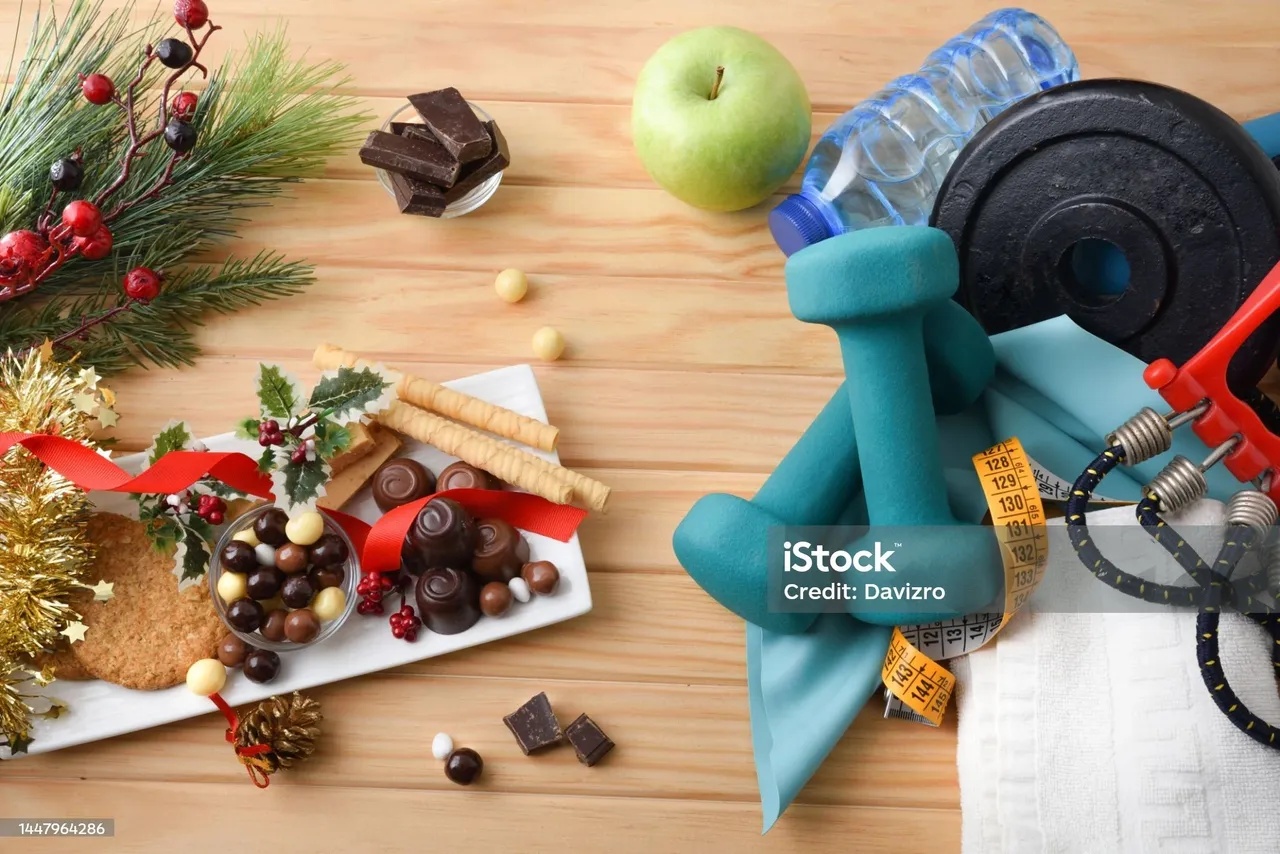
The idea of balanced holiday eating is not about avoiding every rich food on the table. It is about arriving prepared, choosing what you actually enjoy, and leaving the meal feeling comfortable instead of overstuffed.
Quick Take
- Eat normal, balanced meals before holiday events so you do not arrive overly hungry.
- Use a simple plate structure: vegetables first, protein next, then the festive foods you genuinely want.
- Pause before seconds. Slower eating gives fullness cues time to catch up.
- Alternate alcohol or sugary drinks with water to pace intake and stay hydrated.
- Keep movement and sleep realistic. Both support better choices without turning the holidays into a fitness project.
Start balanced holiday eating Before the Party
One of the easiest ways to overeat at a holiday meal is to treat the day like a calorie bank. Skipping breakfast or lunch to “save room” often backfires because hunger makes every appetizer look urgent.
You do not need a perfect pre-party meal. You need enough protein, fiber, and fluid to take the edge off. Eggs with fruit, Greek yogurt with oats, a turkey sandwich, tofu with rice and vegetables, or a protein smoothie with berries can all work.
If the event is late in the day, add a small snack one to two hours beforehand. A handful of nuts, cottage cheese, hummus with vegetables, or an apple with peanut butter can help you walk in calm instead of ravenous. For more practical protein ideas, BeeFit’s guide to how much protein you need after 40 is useful even if you are younger, because the meal-building principles are simple and adaptable.
Choose Your Indulgences on Purpose
Holiday tables are full of foods that are only available once or twice a year, plus plenty of foods you could have any time. Balanced holiday eating becomes easier when you separate the two before filling your plate.
Scan the spread first. Ask yourself what is truly worth eating today. Maybe it is your aunt’s stuffing, a slice of pie, or the seasonal cocktail you look forward to. Maybe the store-bought rolls, chips, or generic cookies are not worth much attention.
This is not restriction. It is prioritization. When you spend appetite on the foods you actually care about, you usually enjoy the meal more and waste less energy on random bites taken only because they were nearby.
A helpful rule is to avoid eating from the serving table while standing. Put food on a plate, sit down if possible, and make the choice visible. That small pause can turn autopilot grazing into a more deliberate meal.
Build a balanced holiday eating Plate That Still Feels Festive
A structured plate does not have to look clinical. It simply gives your meal a foundation so the richer foods fit without taking over everything.
The Dietary Guidelines for Americans use a MyPlate-style approach that emphasizes fruits, vegetables, grains, protein foods, and dairy or fortified alternatives across the overall diet. At a holiday meal, you can adapt that idea without measuring anything.
- Start with vegetables or salad. Aim for roughly half the plate if appealing options are available.
- Add protein. Turkey, fish, lean meat, eggs, tofu, beans, or lentils help make the meal more satisfying.
- Leave room for favorites. Stuffing, mashed potatoes, rolls, casseroles, and desserts can fit better when they are chosen intentionally.
If the vegetable options are limited or heavily dressed, do not force a perfect plate. Add what is available, include protein where you can, and enjoy a reasonable portion of the foods that matter most. Balanced holiday eating should be flexible enough to work in real homes, not just in nutrition diagrams.
Slow Down Without Making the Meal Awkward
Holiday meals often move fast: appetizers, dinner, dessert, drinks, conversation, and second helpings all overlap. Slowing down gives your body a better chance to register satisfaction before you are uncomfortably full.
Research on eating rate suggests that slower eating can reduce excessive energy intake for some people, although the effect varies by person and setting. The practical takeaway is modest: you do not need to chew every bite a certain number of times, but you should give the meal some space. A systematic review and meta-analysis on eating speed supports the idea that slowing eating can help reduce intake in certain contexts.
Try the pause-and-check method. After your first plate, wait 10 to 20 minutes before deciding on seconds. Drink water, talk to someone, help clear a dish, or simply sit for a moment. If you are still hungry, go back for the item you want most instead of rebuilding the entire plate.
Mindful eating does not require silence or perfect focus. Even paying attention to the first few bites of your favorite food can improve satisfaction. Notice the texture, temperature, and flavor. Then continue the meal normally.
Handle Drinks, Movement, and Sleep Realistically
Liquid calories are easy to underestimate during the holidays because drinks often feel separate from the meal. Alcohol can also lower food restraint, affect sleep quality, and make the next day feel harder than it needs to.
If you drink alcohol, pace it. The CDC explains that a standard drink is typically 12 ounces of beer, 5 ounces of wine, or 1.5 ounces of distilled spirits, though many pours are larger than that. Alternating alcoholic drinks with water or sparkling water is a simple way to slow down without making a big announcement. You can review the CDC’s standard drink sizes if you want a clearer reference.
Movement helps too, but it should not be framed as punishment for eating. A walk after dinner, a casual game outside, dancing, or helping with cleanup can support digestion, blood sugar management, and mood without turning the celebration into a workout. If you want a more structured routine around a busy season, BeeFit’s muscle-building fundamentals guide explains how to keep training effective without overcomplicating it.
Sleep is another quiet lever. Short sleep can influence appetite and food reward, and controlled studies have linked sleep restriction with changes in ghrelin, leptin, hunger, and appetite in some populations. A classic sleep restriction study found appetite-related hormone changes after restricted sleep, but real-life effects vary. The practical point is simple: when you can protect your bedtime, do it. BeeFit’s guide to sleep and fitness explains why recovery matters beyond workouts.
Holiday Eating FAQs for Balanced Choices
Will one big holiday meal ruin my progress?
No. Progress is shaped by repeated patterns, not one celebration. The bigger risk is letting one heavy meal turn into several weeks of all-or-nothing eating.
Should I avoid carbs at holiday dinner?
Usually, no. Carbs can fit into balanced holiday eating, especially when you pair them with protein, vegetables, and reasonable portions. Choose the carb-rich foods you enjoy most instead of trying to avoid them all.
How do I handle relatives who keep offering more food?
Use a polite script: “It was delicious, and I’m comfortably full right now.” If needed, ask to take a small portion home. You do not have to debate your health goals at the table.
A Practical Bottom Line
Balanced holiday eating works best when it feels calm and repeatable. Eat before you go, choose the foods that matter, build a plate with some structure, pause before seconds, and keep drinks, movement, and sleep in perspective. You can enjoy the meal without handing the whole season over to impulse or guilt.
This article is for informational purposes only and is not a substitute for professional medical advice, diagnosis, or treatment. If you have diabetes, an eating disorder history, digestive disease, pregnancy-related nutrition needs, or another medical condition, consult a qualified healthcare professional for personalized guidance.
Discover more from BeeFit: Fitness & Wellness
Subscribe to get the latest posts sent to your email.
Share :