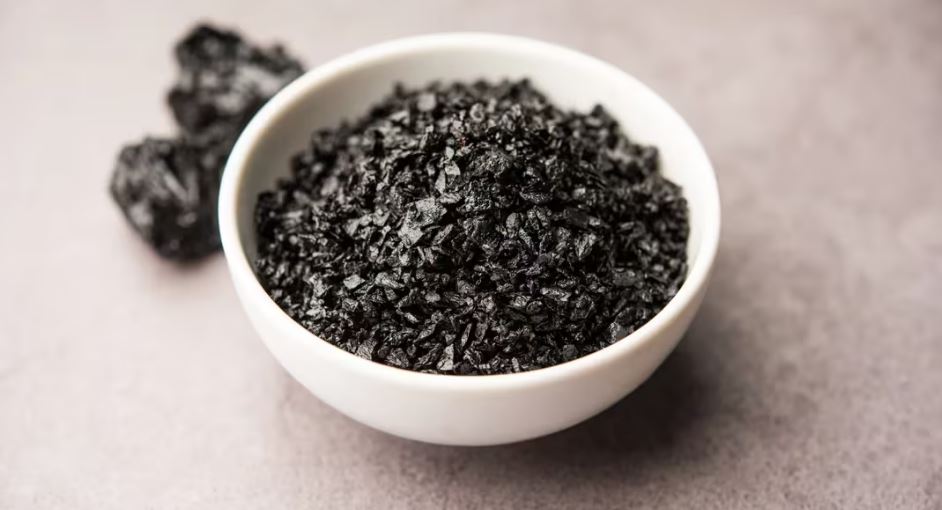
Shilajit heavy metals are the part of the supplement story most marketing skips. Shilajit may have some early research behind it, but it is also a mineral-rich geological substance that can contain metals such as lead, arsenic, mercury, cadmium, and thallium depending on the source and purification process.
Quick Take
- Shilajit is not just an “ancient superfood.” It is a complex mineral material formed in rocks, which means product purity matters.
- Some purified shilajit extracts, including PrimaVie, have small human studies showing possible benefits for exercise fatigue and testosterone.
- However, the research is still limited. Most studies are short, small, and often use specific purified extracts.
- Heavy-metal testing is the key issue. Raw, untested, or poorly purified shilajit is not worth the risk.
A California Prop 65 warning does not tell you the exact amount of lead in a product, but it should make you ask for third-party testing and a Certificate of Analysis.
Do not take shilajit if you are pregnant, trying to conceive, breastfeeding, have kidney disease, or cannot verify product testing.
What Shilajit Heavy Metals Mean
Shilajit is a dark, resin-like substance found in mountain regions, including parts of the Himalayas, Altai, Caucasus, and other high-elevation areas.
It forms over long periods from decomposed plant material, minerals, and geological pressure.
That origin is exactly why shilajit is complicated.
Its mineral profile is part of the appeal. But the same geological process can also concentrate unwanted metals.
This does not mean every shilajit product is dangerous. It means the safety of shilajit depends heavily on sourcing, purification, and testing.
That is where many supplement labels become too vague.
Why Shilajit Heavy Metals Matter
The concern is not that shilajit is “natural.”
The concern is that natural mineral materials can carry natural contaminants.
A 2025 paper in BMC Chemistry reviewed thallium in shilajit and its supplements and noted that shilajit has been reported to contain heavy metals such as arsenic, lead, mercury, nickel, and cobalt: thallium and heavy metals in shilajit.
Thallium matters because it is highly toxic and can affect multiple organs. Lead matters because it can affect neurological, reproductive, and developmental health.
The risk depends on:
- The raw source
- The purification process
- The daily dose
- How long you take it
- The actual tested metal levels
- Your health status
- Whether you are pregnant, breastfeeding, or trying to conceive
This is why “Himalayan,” “ancient,” or “Ayurvedic” is not enough.
You need testing.
What Shilajit Research Actually Shows
There is some real research on purified shilajit.
One 2019 study in the Journal of the International Society of Sports Nutrition tested 250 mg/day and 500 mg/day shilajit supplementation for 8 weeks. The study found that the 500 mg/day dose helped preserve muscular strength after a fatiguing exercise protocol and lowered serum hydroxyproline in certain participants: PrimaVie shilajit and fatigue-induced strength loss.
That is interesting.
But it is not the same as proving shilajit is a must-have supplement.
The limits matter:
- The study was short.
- The sample size was modest.
- It used a specific purified extract.
- Results may not apply to raw resin or random online products.
- Long-term daily safety was not established.
A separate randomized, double-blind, placebo-controlled study in healthy men aged 45–55 used purified shilajit at 250 mg twice daily for 90 days and reported increases in total testosterone, free testosterone, and DHEAS compared with placebo: purified shilajit and testosterone.
Again, interesting.
But not enough to justify buying untested shilajit.
The takeaway is simple: the benefits may be real for some purified extracts, but the quality-control question comes first.
Shilajit Heavy Metals and Prop 65 Warnings
A California Prop 65 warning means the product may expose consumers to a chemical listed by California as causing cancer, birth defects, or reproductive harm.
Lead is one of those listed chemicals.
OEHHA’s Prop 65 lead fact sheet notes that lead exposure can harm reproductive systems and can affect fetal brain development during pregnancy: Prop 65 lead warning information.
A Prop 65 warning does not tell you the exact dose in the product.
It also does not automatically mean the product will harm every person who uses it.
However, it does mean you should take the warning seriously, especially with daily use.
For shilajit, the right question is not:
“Is this ancient?”
The right question is:
“Can the company show current third-party testing for heavy metals?”
The Adaptogen Problem
Many brands call shilajit an adaptogen.
That word gets used loosely.
In marketing, “adaptogen” often means: this sounds natural, supports energy, and helps stress.
But a useful supplement should still pass basic safety questions:
- Is it tested?
- Is it purified?
- Are heavy metals below strict limits?
- Is the dose clear?
- Is the company transparent?
- Is it safe for your situation?
A supplement can have traditional use and still need modern testing.
Traditional use does not replace quality control.
Mitochondrial Support Without the Hype
Shilajit is often promoted as a mitochondrial supplement because it contains fulvic acids and other compounds that may influence cellular energy pathways.
That sounds impressive, but it should be kept in perspective.
Many basic habits support mitochondrial health without the same heavy-metal concern:
- Consistent aerobic training
- Strength training
- Enough sleep
- Enough calories and protein
- Creatine monohydrate
- Magnesium if intake is low
- B vitamins from food
- Walking and zone 2 cardio
If your energy is low because you sleep 5 hours, skip workouts, under-eat protein, and live on caffeine, shilajit is not the first fix.
Start with the basics.
For a training-based approach, use BeeFit’s Strength Training After 40 guide or the BeeFit AI Calculator to build a plan.
Who Should Avoid Shilajit
Do not use shilajit without medical guidance if you are:
- Pregnant
- Trying to conceive
- Breastfeeding
- Managing kidney disease
- Managing liver disease
- Treating a neurological condition
- Taking medications with narrow safety margins
- Giving supplements to a child or teenager
- Unable to verify heavy-metal testing
Children, pregnant people, and breastfeeding people should be especially cautious around lead and other heavy metals.
If a product does not provide testing, skip it.
How to Check Shilajit Heavy Metals Before Buying
Before buying shilajit, check for these basics.
Third-party testing
Look for testing from an independent lab, not just “tested for purity” on the label.
Certificate of Analysis
Ask for a current Certificate of Analysis showing lead, arsenic, mercury, cadmium, and ideally thallium.
Purified extract
Avoid raw, unpurified resin from unknown sources.
Clear dosage
The label should state the dose clearly. Be cautious with vague “pea-sized amount” instructions.
Heavy-metal data
The company should show numbers, not just claims.
No miracle claims
Avoid brands promising testosterone transformation, anti-aging, detox, disease treatment, or guaranteed energy.
Safer Alternatives for Energy and Performance
Many people look at shilajit because they want more energy, better training, or stronger recovery.
Start here first:
Sleep
Nothing replaces consistent sleep. Low sleep can crush energy, appetite control, training quality, and recovery.
Creatine monohydrate
Creatine is one of the most researched performance supplements. It supports repeated high-intensity efforts and strength training.
Protein
Protein supports muscle repair and body composition. Many people need more protein before they need more exotic supplements.
Magnesium
If intake is low, magnesium may help support normal muscle and nerve function.
Zone 2 cardio
Easy aerobic training improves the engine behind daily energy.
Strength training
Resistance training is still one of the best “energy supplements” because it improves capacity over time.
Shilajit Heavy Metals FAQ
Does all shilajit contain heavy metals?
Shilajit is a mineral-rich geological material, so metals can be present depending on where it is sourced and how it is processed. That is why testing matters.
Is purified shilajit safe?
Purification may reduce risk, but “purified” is not enough by itself. Ask for current third-party heavy-metal testing.
Is PrimaVie better than raw shilajit?
PrimaVie is a studied purified extract, which is better evidence than random raw resin. Still, the research is limited and does not prove long-term daily safety for everyone.
Does shilajit boost testosterone?
One 90-day study in healthy men aged 45–55 found increases in testosterone markers with purified shilajit. That does not mean every product works, or that shilajit is the best first step for testosterone support.
Should I take shilajit every day?
Daily use is exactly where quality and safety matter most. If you cannot verify heavy-metal testing, do not take it daily.
Can antioxidants cancel out heavy metal exposure?
No. Antioxidants do not erase heavy-metal exposure. The better strategy is to avoid unnecessary exposure in the first place.
What should I ask a shilajit company for?
Ask for a current Certificate of Analysis showing lead, arsenic, mercury, cadmium, and thallium levels from a third-party lab.
Bottom Line on Shilajit Heavy Metals
Shilajit may have benefits.
But the hype is ahead of the safety conversation.
The best evidence is on specific purified extracts, not random resin jars online. The heavy-metal issue is real enough that buyers should demand testing before considering daily use.
Use this rule:
No third-party heavy-metal data, no purchase.
If you still want to try shilajit, keep the trial short, use a purified product, avoid it during pregnancy or breastfeeding, and talk with a healthcare professional if you have health conditions or take medication.
Most people should fix the basics first:
- Sleep
- Strength training
- Protein
- Walking
- Stress management
- Recovery
That is not as exotic as Himalayan resin.
But it is safer, cheaper, and more reliable.
Related BeeFit Guides
- Muscle Recovery Supplements
- Women’s Daily Vitamins: How to Build the Right Routine for You
- Strength Training After 40
- BeeFit AI Calculator
This article is for informational purposes only and is not medical advice. Supplements can interact with medications and may not be safe for everyone. Talk with a qualified healthcare professional before using shilajit or any supplement, especially if you are pregnant, trying to conceive, breastfeeding, managing kidney or liver disease, or taking prescription medication.
Discover more from BeeFit: Fitness & Wellness
Subscribe to get the latest posts sent to your email.
Share :