Meal planning for fitness goals works best when it makes your normal week easier, not when it turns eating into a second job. The useful version is built around a clear priority, enough protein, repeatable meals, and enough flexibility to handle restaurants, family plans, and busy days.
Quick Take
- Choose one main goal first: fat loss, muscle gain, performance, or basic consistency.
- Use calorie targets as starting estimates, then adjust from real progress over two to four weeks.
- Track protein before worrying about perfect macros.
- Prep flexible components instead of five identical meals you resent by Wednesday.
- Build in restaurant meals, imperfect days, and quick fallback options from the start.
Start With the Fitness Goal You Actually Have
The right nutrition plan depends on what you want your body to do next. Fat loss, muscle gain, better gym performance, and general health overlap, but they do not always require the same first move.
If fat loss is the priority, your plan needs a manageable calorie deficit while keeping protein, fiber, and training quality high. For muscle gain, you usually need enough total food to support progressive strength training. When performance is the priority, carbohydrates and meal timing may matter more than they would for someone training casually.
Some beginners, people returning after time off, and people with more body fat can lose fat and gain muscle at the same time. That does not mean everyone should chase both equally. For many intermediate lifters, progress is easier to measure when one goal leads for a few months.
A practical rule: choose the goal that makes the next goal easier. If low energy and inconsistent eating are holding you back, start with consistency. When extra body fat affects health markers or movement quality, fat loss may come first. If you are already lean and want size, focus on a controlled muscle-gain phase.
How Meal Planning for Fitness Goals Starts With Calories
Your total daily energy expenditure, or TDEE, estimates how many calories you burn in a day. Eating below that level usually leads to weight loss. Eating above it usually leads to weight gain. The estimate helps, but it is not a verdict from a lab.
Use a reputable calculator, choose a starting target, and watch the trend. For fat loss, many people do better with a moderate deficit than an aggressive cut. For muscle gain, a small surplus is often enough; forcing calories too high can add unnecessary fat without improving training.
Track body weight averages, gym performance, hunger, sleep, and waist measurements for two to four weeks. If nothing moves in the expected direction, adjust by a small amount instead of rebuilding the entire plan. A change of 150 to 300 calories per day often gives you enough feedback.
Handle very low calorie targets carefully. Generic floors like 1,200 or 1,500 calories do not fit every body, activity level, age, or medical situation. If you have a history of disordered eating, diabetes, kidney disease, pregnancy, medication-related appetite changes, or another medical concern, work with a qualified clinician before making large changes.
If you want a deeper look at intake awareness, BeeFit’s guide to methods of tracking food intake can help you choose an approach that does not require obsessing over every bite.
Track Protein First, Then Refine Your Fitness Nutrition
Protein is not the only nutrient that matters, but it is the most useful macro for many beginners to track first. It helps with fullness, supports recovery, and protects lean mass when calories are lower. A large review on resistance training found that protein intake around 1.6 grams per kilogram of body weight per day is a sensible target for many active adults. Some people need more depending on dieting status, age, body size, and training load.
A simple range for meal planning for fitness goals is roughly 1.6 to 2.2 grams of protein per kilogram of body weight per day. A 75 kg person would aim for about 120 to 165 grams daily. If that feels unrealistic, start lower and build up. Going from 60 grams to 100 grams consistently is a meaningful improvement.
Spread protein across three or four meals when possible. You do not need to hit an exact number at every meal. A protein source at breakfast, lunch, dinner, and one snack usually works better than saving most of it for dinner. The International Society of Sports Nutrition position stand also supports distributing protein across the day for exercising individuals.
Carbohydrates and fats still matter. Carbs support harder training, daily movement, and recovery. Fats support hormones, nutrient absorption, and meal satisfaction. The easiest starting point is to build meals from protein, high-fiber carbohydrates, vegetables or fruit, and a small amount of fat. Then adjust portions based on your goal.
For more detail on daily protein structure, use BeeFit’s high-protein meal plan for fat loss and muscle gain as a template, then scale the portions to your needs.
Build Repeatable Meals Without Eating the Same Thing Daily
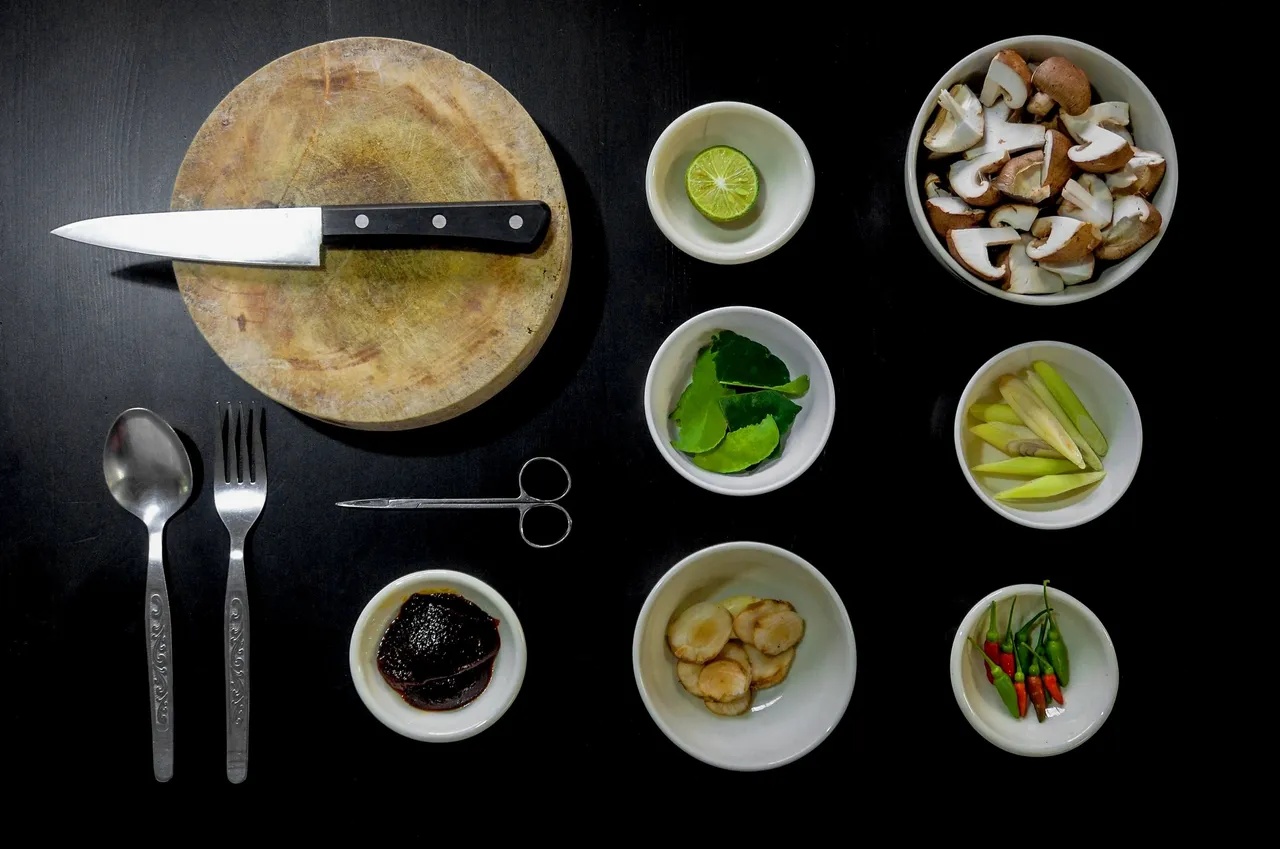
The biggest meal-prep mistake is making five identical lunches you are tired of by Wednesday. A better system is component prep: cook a few basics that can become different meals with different sauces, seasonings, wraps, bowls, or sides.
Prep one or two proteins: chicken thighs, lean ground beef, turkey, tofu, lentils, eggs, Greek yogurt, cottage cheese, tuna, salmon, or beans. Add two or three produce options: roasted broccoli, pre-washed greens, chopped peppers, frozen vegetables, berries, apples, or carrots. Then choose one or two carb sources: rice, potatoes, oats, whole-grain bread, quinoa, pasta, or fruit.
This gives you meals you can assemble in five minutes without forcing the same lunch every day. A rice bowl can become a burrito bowl, stir-fry, salad, or wrap depending on the sauce and vegetables. That small variety matters because boredom is one of the fastest ways to abandon an otherwise solid plan.
Food quality still matters. The CDC’s healthy eating guidance emphasizes vegetables, fruits, protein foods, whole grains, healthy fats, and dairy options without excess added sugar. You do not need a perfect diet, but you do need enough nutrient-dense food to stay full, train well, and cover basic health needs.
If cooking is the barrier, reduce the standard. Use rotisserie chicken, microwavable rice, frozen vegetables, canned beans, pre-cut fruit, or bagged salad. Meal planning for fitness goals should remove friction, not prove that you can cook everything from scratch.
Use Flexible Meal Planning Before You Need Damage Control
The perfect plan you resent will not last. A slightly imperfect plan that includes restaurant meals, family dinners, snacks, and travel has a better chance of surviving real life.
Plan flexible meals before the week starts. If you know Friday dinner is pizza, build the day around protein, fruit, vegetables, and reasonable portions earlier. Do not skip food all day to “earn” dinner; that usually backfires into overeating, poor sleep, and a harder Saturday.
Use the next-meal rule. If one meal is off-plan, the next meal returns to normal. Skip the punishment cardio, fasting to compensate, or turning one meal into a weekend. Consistency is not the absence of mistakes; it is the ability to recover quickly.
Training nutrition can stay simple too. You do not need a protein shake within minutes of your last set, but eating protein and carbohydrates within a few hours after training can support recovery. The ISSN nutrient timing position stand notes that total daily intake remains a primary area of emphasis, while timing can become more useful around demanding training. BeeFit’s guide to pre- and post-workout meals gives practical examples for different schedules.
Common Meal Planning Mistakes That Quietly Wreck Progress
Changing everything at once. Start with one lever: protein, breakfast, grocery shopping, or three home-cooked dinners per week. Add the next habit only after the first one feels normal.
Using calorie math without feedback. Calculators are starting points. Your trend over several weeks matters more than the number a calculator gave you on day one.
Ignoring portions of “healthy” foods. Nuts, olive oil, granola, avocado, and smoothies can fit well, but they are calorie-dense. Measure once or twice so you understand what your usual portion actually contains.
Removing carbs too aggressively. If your workouts feel flat, sleep worsens, or daily steps collapse, the deficit may be too steep or carbs may be too low for your training.
Comparing your plan to influencers. Their body size, training history, job demands, genetics, food budget, and editing choices are not your variables. Your plan only needs to work for your life.
A Simple Eight-Week Meal Planning Plan
Weeks 1 and 2: Track what you already eat without changing much. Look for obvious gaps in protein, produce, portion size, or weekend structure.
Weeks 3 and 4: Set a realistic protein target and build each meal around it. Keep the rest of the diet familiar so the habit has room to stick.
Weeks 5 and 6: Adjust calories toward your goal using your TDEE estimate and actual weight trend. Make small changes and watch the response.
Weeks 7 and 8: Add component prep for two or three days at a time. Keep the meals simple enough that you would repeat them on a busy week.
FAQ: Meal Planning for Fitness Goals
Do I need to track every macro?
No. Many people do well by tracking calories and protein for a short period, then using consistent meal templates. Detailed macro tracking can help athletes or advanced lifters, but it is not required for everyone.
How often should I adjust my calories?
Give a new target at least two to four weeks unless hunger, fatigue, or medical symptoms are concerning. If the trend is clearly off, adjust modestly instead of making a dramatic cut or surplus.
What if I hate meal prep?
Use a no-prep version: Greek yogurt, cottage cheese, canned fish, rotisserie chicken, microwavable grains, frozen vegetables, fruit, protein powder, and bagged salads. Assembly still counts.
Meal planning for fitness goals is not about building the most impressive spreadsheet. It is about reducing decisions, eating enough of the foods that support your goal, and making the plan flexible enough to repeat.
For a personalized plan that fits your schedule, preferences, and training goal, start with the AI Fitness Planner at BeeFit.ai.
This article is for informational purposes only and is not a substitute for professional medical or nutritional advice. Always consult with a qualified healthcare provider before making significant changes to your diet, especially if you have pre-existing health conditions, a history of disordered eating, are pregnant, or take medication that affects appetite, blood sugar, or body weight.
Discover more from BeeFit: Fitness & Wellness
Subscribe to get the latest posts sent to your email.
Share :