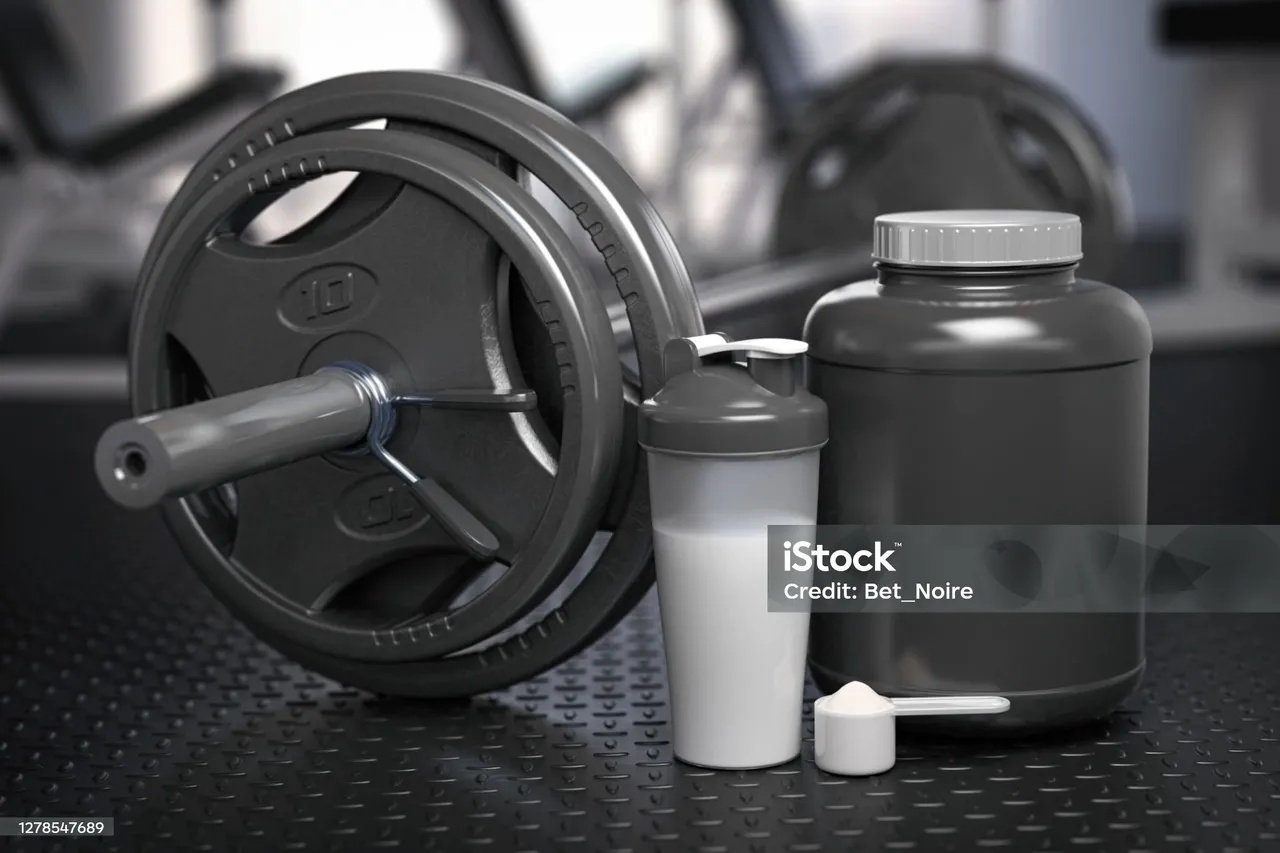
Most post-workout recovery supplements are easier to sell than they are to justify. The useful ones do a specific job: help you reach protein targets, support repeated high-intensity training, fill a low EPA/DHA intake gap, or replace fluid and sodium after heavy sweat loss.
Quick Take
- Protein powder helps when it makes daily protein easier to hit; it is not superior to whole food when meals are practical.
- Creatine monohydrate has strong evidence for strength, lean mass, and repeated high-intensity performance, with possible recovery support in some contexts.
- Omega-3s may modestly help soreness or recovery markers for some people, especially when fatty fish intake is low, but results are not universal.
- Electrolytes matter most after long, hot, humid, or very sweaty sessions; many shorter workouts only require water and normal meals.
What Makes Post-Workout Recovery Supplements Worth Using?
A useful supplement fills a real recovery gap. It does not replace sleep, enough calories, appropriate training volume, hydration, or a diet built around protein-rich foods, plants, and mostly minimally processed meals.
The better question is not, “What should I take after every workout?” It is, “What is limiting my recovery?” If your protein intake is low, a shake can help. Heavy lifting, sprinting, or repeated high-output intervals make creatine more relevant. If you rarely eat fatty fish, omega-3s may be worth considering. When your clothes are soaked and salt-stained after training, electrolytes become more useful.
That framing keeps post-workout recovery supplements in their proper place: practical tools, not magic repair products. If soreness is your main issue, BeeFit’s guide to recovery moves to beat muscle soreness is a useful companion. Movement, mobility, and load management often matter as much as powders or capsules.
1. Protein Powder for Post-Workout Recovery
Protein supports muscle repair by supplying essential amino acids, including leucine. These amino acids help stimulate muscle protein synthesis after resistance training. The International Society of Sports Nutrition position stand on protein and exercise supports higher protein intakes for active people than the basic adult RDA, especially for muscle gain, muscle retention, or recovery.
A shake is not automatically better than chicken, Greek yogurt, tofu, eggs, fish, soy, lentils, or cottage cheese. Its advantage is convenience. If you train before work, finish a late session, travel often, or struggle to eat enough protein, whey, casein, soy, pea, or a blended plant protein can help.
For most active adults, a practical post-workout dose is 20–40 grams of high-quality protein. Smaller athletes may do well with the lower end. Larger athletes, older adults, and people dieting for fat loss may benefit from the higher end. The “one-hour anabolic window” is often overstated. Timing helps, but total daily protein and evenly distributed meals matter more than rushing a shake in the locker room.
If you want to fine-tune your intake, BeeFit’s article on protein timing explains how to spread protein more effectively across the day without overthinking the clock.
2. Creatine Monohydrate: Strong Evidence, Simple Dosing
Creatine monohydrate is one of the best-supported sports nutrition supplements. It helps replenish phosphocreatine, which supports rapid ATP production during short, intense efforts such as heavy sets, sprints, jumps, and repeated intervals.
The recovery benefit is mostly indirect. If creatine helps you maintain training quality, tolerate volume, and restore high-intensity output between efforts, it can support better adaptation over time. Some research also suggests creatine may support post-exercise recovery markers in certain settings. Still, do not treat it as a guaranteed soreness reducer after every workout.
The ISSN position stand on creatine supplementation describes creatine monohydrate as effective for increasing high-intensity exercise capacity and lean mass during training. It also notes a strong safety record in healthy people when used appropriately.
Use 3–5 grams of creatine monohydrate daily. Timing matters less than consistency, so take it when you are most likely to remember. Loading phases can saturate muscle stores faster, but they are optional. People with kidney disease, unmanaged hypertension, or complex medical conditions should speak with a clinician before starting.
For a broader comparison, BeeFit’s guide to muscle recovery supplements that actually work covers creatine alongside other common options, including collagen, tart cherry, magnesium, and HMB.
3. Omega-3s for Recovery: Potentially Helpful If Intake Is Low
Omega-3 fatty acids EPA and DHA are involved in inflammatory signaling and cell membrane function. That makes them relevant to recovery, but the evidence is more nuanced than many supplement labels suggest.
Some controlled trials and reviews suggest omega-3 supplementation may reduce delayed-onset muscle soreness or improve certain recovery markers after damaging or unfamiliar exercise. Other findings are mixed. Benefits may depend on dose, duration, training status, baseline diet, and the type of exercise. A systematic review and meta-analysis on omega-3s and muscle soreness found potential benefit. A newer review of long-chain omega-3s and post-exercise recovery also reported favorable effects in several outcomes. Still, this is modest support rather than a guaranteed recovery shortcut.
Omega-3s make the most sense if you rarely eat salmon, sardines, trout, mackerel, or other fatty fish. Fish oil and algal oil are both options; algal oil is the plant-based source of EPA and DHA. A common supplemental target is 1–2 grams per day of combined EPA and DHA, taken with a meal that contains fat.
Use caution if you take blood thinners, have a bleeding disorder, are preparing for surgery, or use high-dose omega-3 products. In those cases, ask a qualified healthcare professional before adding omega-3s to your post-workout recovery supplements.
4. Electrolytes for Sweat Loss, Not Every Session
Electrolytes are minerals such as sodium, potassium, magnesium, and chloride. They help regulate fluid balance, nerve signaling, and muscle contraction. During light or moderate workouts with minimal sweat, plain water and normal meals usually cover the need.
Electrolytes become more important when sweat loss is high: long runs, hard conditioning, summer training, humid gyms, outdoor sports, sauna use, or two-a-day sessions. Sodium is usually the main electrolyte lost in sweat. For that reason, do not judge a useful electrolyte product only by its magnesium or potassium content.
The ISSN position stand on nutrient timing notes that longer, higher-intensity bouts can challenge fuel supply and fluid regulation. It also explains that carbohydrate-electrolyte solutions can be useful during extended sessions. For everyday gym workouts, that does not mean you need a sports drink after every lift. Instead, let the session, climate, duration, sweat rate, and next training demand guide the choice.
A simple check: weigh yourself before and after a sweaty session. A large drop suggests you under-replaced fluid. Salt marks on clothing, headaches after training, dizziness, or persistent thirst can also suggest that water alone is not enough. Choose an electrolyte mix based on the session: low or no sugar for short sweaty workouts, and electrolytes plus carbohydrate for longer endurance sessions where fuel is also needed.
How to Build a Simple Recovery Supplement Stack
Start with the smallest effective stack instead of taking everything at once. Most people do well with protein as needed, creatine daily, electrolytes when sweat loss is high, and omega-3s only when diet or recovery context supports the case.
- If you miss protein targets: use 20–40 grams of protein powder after training or at another convenient time.
- If you lift or sprint regularly: take 3–5 grams of creatine monohydrate daily.
- If fatty fish intake is low: consider EPA/DHA from fish oil or algal oil.
- If you sweat heavily: use electrolytes after training, and during longer sessions when needed.
Sleep still does the heavy lifting. If recovery feels poor despite decent nutrition, audit sleep, total training stress, and rest days before adding more products. BeeFit’s guide to sleep and fitness recovery explains why rest quality can make or break adaptation.
One practical rule: add only one new supplement at a time. Then track training quality, soreness, energy, digestion, sleep, and consistency for a few weeks. If nothing meaningful improves, the product may not be solving your actual bottleneck.
FAQ: Post-Workout Recovery Supplements
Do I need BCAAs if I already use protein powder?
Usually, no. A complete protein powder already contains BCAAs plus the other essential amino acids needed for muscle repair. Extra BCAAs are unlikely to add much if total protein intake is already adequate.
When should I take recovery supplements?
Protein is useful within a few hours after training, especially if your last protein-rich meal was several hours earlier. You can take creatine any time daily. Electrolytes are most useful around sweaty sessions. Omega-3s can be taken with any meal.
Which post-workout recovery supplements should I buy first?
If your diet is short on protein, start with protein powder. When protein is already covered and you strength train, creatine monohydrate is usually the next most evidence-backed choice. Add other post-workout recovery supplements only when they match a clear need.
Final Thoughts
The best post-workout recovery supplements are not exotic. Protein, creatine monohydrate, omega-3s, and electrolytes are useful because they address common bottlenecks in repair, training output, inflammation management, and rehydration. Match the supplement to the problem, keep the dose simple, and judge results by training quality, soreness patterns, energy, digestion, and consistency.
Editorial note: BeeFit articles are practical and evidence-aware, but supplement decisions still depend on health status, medications, training load, diet, and individual tolerance.
This article is for informational purposes only and is not a substitute for professional medical advice, diagnosis, or treatment. Speak with a qualified healthcare provider before starting a new supplement regimen, especially if you are pregnant, nursing, taking medication, managing a medical condition, or preparing for surgery.
Discover more from BeeFit: Fitness & Wellness
Subscribe to get the latest posts sent to your email.
Share :