A good 30-day weight loss challenge should help you build structure, not pressure you into a crash diet. Thirty days is long enough to notice patterns, improve consistency, and create momentum, but it is still only a starting point for lasting fat loss.
Quick Take
- A realistic 30-day weight loss challenge focuses on habits you can repeat: protein, whole foods, walking, strength training, sleep, and portion awareness.
- Safe, sustainable weight loss is usually gradual. The CDC notes that 1–2 pounds per week is a steady pace for many adults.
- Strength training helps protect lean muscle while you lose weight, especially when paired with enough protein and recovery.
- Steps, sleep, waist measurements, energy, and workout performance often give better feedback than the scale alone.
- If you are pregnant, taking weight-loss medication, managing a chronic condition, recovering from injury, or have a history of disordered eating, get medical guidance before starting.
Why This 30-Day Weight Loss Challenge Works
The point of this plan is not to “transform” your body in a month. It is to remove the guesswork from your next 30 days so better choices become easier to repeat.
Habit formation is more variable than the common “21 days” claim suggests. Some habits become easier quickly; others take months. A 30-day structure still works well because it gives you a clear practice window without asking for perfection.
This plan uses four levers: a modest calorie deficit, higher-quality meals, daily movement, and progressive strength work. That combination is more sustainable than relying on very low calories or punishing cardio alone. For a deeper look at the nutrition side, BeeFit’s guide to fat loss while keeping muscle explains why protein, walking, strength training, and sleep matter together.
Before You Start: Set a Safe Weight Loss Baseline
Start with a realistic goal. For many people, losing 4–8 pounds in 30 days is a reasonable upper range. Your result may be smaller if you are already lean, building muscle, under high stress, or improving from inconsistent habits. A better first target is: “I will complete the daily actions 80–90% of the time.”
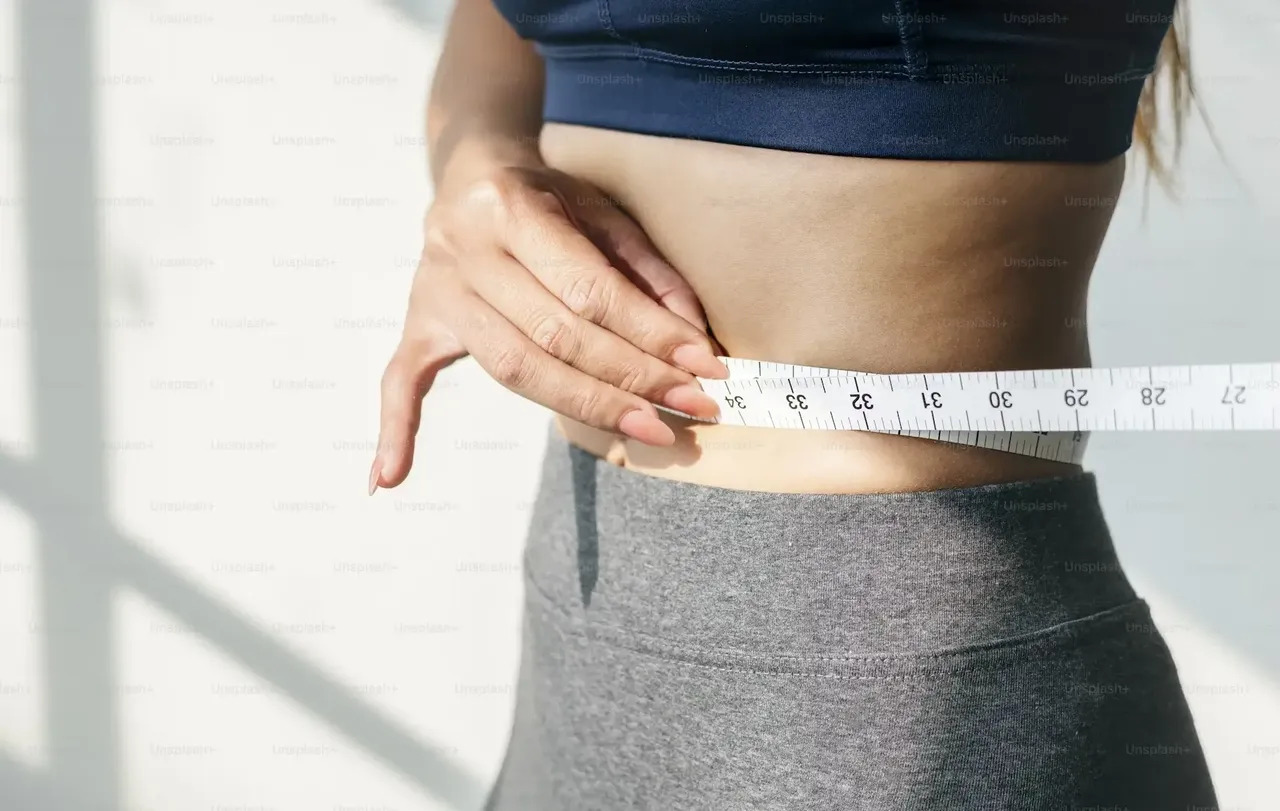
Take three measurements before day one: body weight, waist measurement, and a simple progress photo. Then choose two non-scale markers, such as sleep quality, afternoon energy, step count, resting heart rate, strength, or cravings.
Stock your kitchen with easy protein, fiber-rich carbohydrates, vegetables, fruit, and healthy fats. You do not need a perfect meal plan, but you do need default options when you are tired. Greek yogurt, eggs, tofu, chicken, tuna, beans, lentils, frozen vegetables, oats, potatoes, rice, berries, and pre-washed salad kits can make consistency less fragile.
If you are new to exercise, returning after a long break, have joint pain, use insulin or glucose-lowering medication, take GLP-1 medication, are pregnant or postpartum, or have an eating disorder history, personalize this plan with a qualified clinician. Weight loss should not come at the cost of safety, recovery, or a healthy relationship with food.
The 30-Day Weight Loss Plan
Each week adds one layer. Do not jump ahead if the basics are not stable yet. The best version of this 30-day weight loss challenge is the one you can keep doing when motivation dips.
Week 1: Build the Base
Focus: protein, hydration, walking, and food awareness.
- Eat protein at each main meal. Use eggs, Greek yogurt, cottage cheese, poultry, fish, tofu, tempeh, lean meat, beans, lentils, or protein powder when food is not practical.
- Replace liquid calories first. Swap soda, sweet tea, juice, and high-calorie coffee drinks for water, sparkling water, or unsweetened tea most of the time.
- Walk daily. Start with 20–30 minutes or add 2,000 steps above your current baseline. If 8,000–10,000 steps is too much right now, build gradually.
- Use the plate method. Build most meals with half a plate of vegetables or fruit, one quarter protein, and one quarter high-fiber carbs.
End-of-week check: Did you eat protein at least twice per day? Did you walk on most days? If yes, keep going. If not, repeat Week 1 before adding intensity.
Week 2: Add Strength and Portion Control
Focus: preserving muscle while creating a manageable deficit.
- Strength train 2–3 times. Use full-body sessions built around squats or sit-to-stands, hinges, rows, presses, carries, and core work. The CDC recommends muscle-strengthening activity at least two days per week for adults.
- Keep reps controlled. Stop each set with 1–3 good reps left in reserve. Beginners do not need failure training.
- Tighten portions without extreme restriction. If progress is the goal, reduce the easiest excess first: second servings, grazing, alcohol, desserts, or oversized snacks.
- Plan two emergency meals. Examples: rotisserie chicken with salad and microwavable rice, or tofu stir-fry with frozen vegetables.
If you need a more detailed lifting framework, BeeFit’s muscle-building fundamentals guide explains progressive overload, recovery, and how to train productively without overcomplicating your routine.
Week 3: Improve Recovery and Add Optional Intensity
Focus: better sleep, smarter cardio, and fewer impulsive eating decisions.
- Protect sleep opportunity. Most adults do best around 7–9 hours of sleep. Start by setting a consistent wake time and reducing late-night scrolling.
- Add one interval session only if recovery is good. Try 10 rounds of 30 seconds hard and 60–90 seconds easy on a bike, rower, incline walk, or low-impact option.
- Eat without screens for one meal per day. This is not magic; it simply makes fullness and portion size easier to notice.
- Prepare high-protein snacks. Greek yogurt, boiled eggs, edamame, cottage cheese, tuna packets, jerky, or hummus with vegetables can prevent under-eating early and overeating later.
HIIT is optional, not required. If your joints hurt, sleep is poor, or strength workouts are suffering, choose walking, cycling, swimming, or other lower-intensity cardio instead. BeeFit’s comparison of HIIT and LISS for fat loss can help you choose the right tool.
Week 4: Refine, Do Not Panic
Focus: making small adjustments based on actual data.
- Review your trend, not one weigh-in. Water, sodium, menstrual cycle changes, soreness, stress, and digestion can all move scale weight temporarily.
- Progress one training variable. Add a little weight, one set, a few reps, better range of motion, or improved control.
- Adjust only one nutrition lever. If nothing has changed for two weeks, reduce one snack, tighten weekend portions, or add vegetables to two meals per day.
- Choose your next 30-day target. Keep the habits that worked and remove the ones that felt forced or unsustainable.
A plateau inside a 30-day weight loss challenge is not failure. Often it means your body is adapting, your tracking is inconsistent, or the scale is hiding changes in waist size, strength, and water retention.
What to Eat for Weight Loss During the Challenge
Weight loss still depends on energy balance, but the way you create that deficit matters. A plan built from protein, fiber, minimally processed foods, and consistent meals is usually easier to sustain than one built on hunger.
Protein is especially useful during a calorie deficit because it supports muscle repair and helps meals feel more satisfying. Many active adults aiming to maintain or build muscle use roughly 1.6–2.2 grams per kilogram of body weight per day, though needs vary by age, body size, training, health status, and calorie intake. BeeFit’s protein for muscle growth guide gives more practical targets and food examples.
- Breakfast: Greek yogurt with berries and oats, or eggs with vegetables and whole-grain toast.
- Lunch: Chicken, tofu, salmon, or beans over a large salad with rice, potatoes, or quinoa.
- Dinner: Lean protein with roasted vegetables and a fiber-rich carb such as lentils, sweet potato, or brown rice.
- Snack: Cottage cheese with fruit, apple with peanut butter, hummus with vegetables, or a protein smoothie.
You do not have to count calories, but it can help temporarily if portions are unclear. Another option is to track only protein, steps, and vegetables for the first two weeks, then decide whether more detailed tracking is necessary.
Common Weight Loss Mistakes to Avoid
- Cutting too aggressively. Very low calories may create faster scale loss, but they often increase hunger, reduce training quality, and make regain more likely.
- Doing cardio instead of strength training. Cardio is valuable, but lifting gives your body a reason to keep muscle while weight comes down.
- Chasing perfect food choices. Consistent meals that are “good enough” beat a strict plan you abandon every weekend.
- Ignoring recovery. Poor sleep, high stress, and sore joints can make a harder plan less effective, not more effective.
- Using one bad meal as an excuse to quit. Resume at the next meal. Consistency is built through recovery, not perfection.
FAQ
How much weight can I lose in 30 days?
Many adults can reasonably lose about 4–8 pounds in 30 days, but results vary. Starting weight, calorie intake, training history, medication, hormones, sleep, stress, and adherence all matter. Waist size, energy, and strength are useful progress markers too.
Do I need to do HIIT for this plan to work?
No. HIIT can be useful for some people, but walking, low-intensity cardio, and strength training are often more repeatable. If you are a beginner, have joint pain, or recover poorly, skip HIIT for now.
What should I do after the 30-day weight loss challenge?
Keep the habits that produced results with the least friction. A smart next phase might be another four weeks of the same plan, a slower fat-loss phase, or a maintenance period where you practice holding your new routine.
Final Weight Loss Challenge Thoughts
This 30-day weight loss challenge works best when you treat it as a practice block, not a deadline. Eat protein, walk often, lift twice per week, sleep as consistently as possible, and make small adjustments based on what your body actually does.
If the next 30 days leave you stronger, more aware of your portions, and more consistent with movement, the challenge has done its job—even if the scale moves slower than expected.
This article is for general education and is not a substitute for medical advice. Talk with a qualified healthcare professional before changing your diet or exercise plan if you have a medical condition, take prescription medication, are pregnant or postpartum, have an injury, or have a history of disordered eating.
Discover more from BeeFit: Fitness & Wellness
Subscribe to get the latest posts sent to your email.
Share :