The gut-brain connection is real, but it is often explained with claims that run ahead of the evidence. Your digestive system, nervous system, immune system, hormones, and gut microbes exchange signals that may influence appetite, stress responses, and mood. However, nutrition can support mental health without replacing professional care.
Quick Take
- Animal research shows that the gut can detect sugar and reinforce preference independently of sweet taste.
- EPA-rich omega-3 supplements may support depression treatment in some people, but they are not substitutes for prescribed medication.
- Tyrosine and tryptophan help the body produce neurotransmitters, although appetite and mood involve far more than two amino acids.
- The gut microbiome may influence mood through neural, immune, and metabolic pathways, but human causation remains under investigation.
- Expectations about food may influence hunger signals such as ghrelin, without changing the food’s actual calorie content.
The gut-brain axis is a two-way communication network connecting the digestive tract with the brain. It includes the vagus nerve, the enteric nervous system, hormones, immune signals, microbial metabolites, and pathways that regulate stress and appetite.
The human enteric nervous system contains an extensive network of neurons capable of coordinating many digestive functions locally. It also communicates with the central nervous system, helping explain why emotional stress can affect digestion and why digestive symptoms can influence how someone feels.
Here are five ways researchers are investigating the relationship between food, digestion, and mood—and the limits of what the findings currently show.
1. How Can the Gut-Brain Connection Influence Sugar Preference?
Sweetness begins on the tongue, but taste is not the only signal that makes sugar rewarding. Animal research has identified gut-sensing pathways that can distinguish caloric sugar from noncaloric sweeteners and communicate that information through the vagus nerve and brainstem.
In a widely cited study, researchers identified vagal and brainstem neurons that helped mice develop a preference for sugar even when sweet taste was unavailable. Other research suggests that glucose entering the digestive system can activate dopamine-related reward pathways. These findings help explain why the body responds differently to caloric sugar and sweetness without calories.
However, most of the detailed neural evidence comes from animal models. It does not prove that hidden sugar automatically creates uncontrollable cravings in humans or that willpower is irrelevant.
Apply the Evidence Without Fearing Sugar
Food labels can help you notice added sugar in sauces, drinks, cereals, dressings, and packaged snacks. The objective is not to eliminate every gram of sugar, but to understand how frequently it appears in foods and how it fits within your overall eating pattern.
Meals containing protein, fiber, and minimally processed foods may also be more satisfying than foods built primarily around refined carbohydrates. For a broader nutrition approach, see BeeFit’s guide to the best anti-inflammatory foods for long-term health.
2. Can Omega-3 EPA Support Depression Treatment?
EPA, or eicosapentaenoic acid, is an omega-3 fatty acid found primarily in fatty fish and fish-oil supplements. It has been investigated as both a standalone intervention and an addition to standard depression treatment.
A small eight-week trial compared 1,000 milligrams of EPA, 20 milligrams of fluoxetine, and a combination of both in people with major depressive disorder. EPA and fluoxetine produced similar improvements within that study, while the combined treatment performed better than either alone.
That result is interesting, but it should not be interpreted as evidence that fish oil can generally replace antidepressants. The trial was small, and later reviews have found that omega-3 supplementation may provide modest benefits for some populations while the overall certainty of evidence remains limited.
Treat EPA as a Possible Adjunct, Not an Alternative
Fatty fish such as salmon, sardines, trout, and mackerel provide EPA and DHA alongside protein and other nutrients. Eating fish regularly can be part of a balanced dietary pattern even when depression is not a concern.
Anyone considering a concentrated omega-3 supplement for depression should discuss it with a healthcare professional, particularly when taking medication or receiving mental-health treatment. Do not stop or reduce an antidepressant based on a nutrition article or supplement claim.
3. How Do Amino Acids Connect Food and Mood?
Tyrosine and tryptophan are amino acids involved in neurotransmitter production. Tyrosine contributes to the pathways used to produce dopamine and norepinephrine, while tryptophan is required to produce serotonin.
This does not mean that the brain drives eating primarily to acquire these two nutrients. Appetite is regulated by energy needs, gut hormones, blood glucose, food reward, sleep, stress, habits, environment, and many other signals. Neurotransmitter production also depends on enzyme activity, nutrient status, competing amino acids, transport across the blood-brain barrier, and the brain’s regulatory systems.
Approximately 95% of the body’s serotonin is peripheral and largely produced in the gut. That serotonin primarily supports functions such as intestinal movement, secretion, immune signaling, and vascular regulation. It does not cross the blood-brain barrier and directly become brain serotonin.
Build Balanced Meals Instead of Chasing Neurotransmitters
Protein-rich foods provide essential amino acids, but individual foods should not be treated as immediate switches for motivation, calmness, or happiness. A more reliable approach is to eat regular, balanced meals containing adequate protein, fiber-rich carbohydrates, and healthy fats.
Useful protein sources include fish, poultry, eggs, dairy, legumes, tofu, tempeh, nuts, and seeds. BeeFit’s guide to protein benefits beyond muscle explains how protein supports satiety, enzymes, hormones, and other functions beyond exercise recovery.
4. How Does the Gut Microbiome Affect the Brain?
The gut microbiome is a complex ecosystem containing organisms that may be beneficial, harmless, or potentially disruptive depending on their abundance, location, and interaction with the host.
Gut microbes can influence the body by producing metabolites, interacting with immune cells, affecting the intestinal barrier, and modifying signals that travel through the vagus nerve and endocrine system. Researchers have also found differences between the gut microbiomes of some people with depression and those without it.
In animal experiments, microbiota transferred from people with depression have produced depression-like behaviors in rodents. These findings support a possible biological role for the microbiome, but they do not prove that microbiome changes cause human depression. Depression is a complex condition involving psychological, social, genetic, neurological, and environmental factors.
Support Microbial Diversity With Food
A practical gut-supportive eating pattern includes:
- Vegetables and fruit
- Legumes
- Whole grains
- Nuts and seeds
- Fermented foods when tolerated
- A range of plant foods rather than the same few choices repeatedly
A controlled dietary trial found that a fermented-food-rich diet increased microbiome diversity and reduced several inflammatory markers, although individual responses varied.
Increase fiber gradually rather than dramatically, particularly if you experience bloating, irritable bowel syndrome, or another digestive condition. BeeFit’s science-based gut health protocol provides a broader framework, while the Mediterranean diet and gut inflammation guide explains how diverse plants and polyphenols support microbial metabolism.
5. Can Expectations Affect Hunger Signals?
Expectations can influence subjective experiences such as hunger, satisfaction, and how filling a meal seems. One well-known experiment also found a measurable hormonal response.
Participants consumed the same 380-calorie milkshake on two occasions. On one occasion, it was labeled as an indulgent, high-calorie shake; on the other, it was presented as a sensible, low-calorie option. Ghrelin declined more sharply when participants believed they had consumed the indulgent shake.
The study suggests that expectations can influence at least some physiological hunger signals. It does not show that thoughts change how many calories food contains, override nutrient quality, or broadly transform metabolism.
Use Mindful Eating Without Ignoring Nutrition
Eating attentively may help you notice hunger, satisfaction, flavor, and portion size. It can also reduce the tendency to divide food into morally “good” and “bad” categories.
Mindset still does not make nutritional composition irrelevant. A positive attitude cannot turn a low-fiber meal into a high-fiber one or remove added sugar from a product. The practical goal is to combine realistic nutrition knowledge with a less anxious and more attentive relationship with food.
Gut-Brain Connection FAQ
What Is the First Step for Supporting Gut Health and Mood?
Begin by increasing the variety of minimally processed plant foods in your diet. Vegetables, fruit, legumes, whole grains, nuts, and seeds provide different fibers and plant compounds used by different microbial species.
Increase fiber gradually and drink adequate fluids. A sudden large increase may worsen gas, bloating, or abdominal discomfort, especially in people with digestive disorders.
Diet can support general health, but persistent anxiety, depression, or major changes in mood require evaluation by a qualified healthcare professional.
Are Probiotic Supplements Necessary for Mood?
No. Probiotic supplements are not required for a healthy microbiome, and products differ greatly in strains, doses, quality, and intended use.
Some small trials suggest that specific multistrain probiotics may provide additional benefit when used alongside standard depression treatment. The research is still developing, and probiotics should not be presented as standalone treatments for depression or anxiety.
Food, sleep, exercise, stress management, social support, and appropriate clinical care remain more important than purchasing a generic probiotic marketed for mood.
How Quickly Can Dietary Changes Affect the Gut-Brain Connection?
The microbiome can begin responding to major dietary changes within days. However, a rapid microbial shift does not guarantee a predictable or immediate change in mood.
Long-term effects depend on whether the dietary pattern continues, the person’s original microbiome, medications, sleep, stress, health conditions, and many other factors. Evaluate dietary changes over weeks rather than expecting an overnight emotional response.
Why Does Gut Serotonin Not Directly Improve Mood?
Most serotonin produced in the gut acts outside the brain and cannot cross the blood-brain barrier. It is important for digestive movement, secretion, immune activity, blood vessels, and communication within the peripheral nervous system.
Brain serotonin is produced within the central nervous system from tryptophan that crosses the blood-brain barrier. Gut and brain serotonin systems can interact indirectly, but they are not one interchangeable supply.
What the Gut-Brain Connection Can—and Cannot—Do
The gut-brain connection helps explain why digestion, appetite, stress, and mood can influence one another. Sugar-sensing pathways, omega-3 fats, amino acids, gut microbes, and expectations about food are all legitimate areas of research.
The evidence does not show that a single food, supplement, bacterium, or mindset can control mood. Nutrition works within a larger system that includes sleep, exercise, relationships, medical conditions, genetics, stress, and access to appropriate mental-health care.
Support the gut-brain connection with a varied diet, sufficient protein and fiber, regular movement, adequate sleep, and professional treatment when needed. These habits may support physical and emotional well-being without turning emerging science into promises it cannot yet keep.
Related BeeFit Guides
- The Ultimate Science-Based Gut Health Protocol
- The Mediterranean Diet’s Hidden Mechanism for Slowing Aging
- Protein Benefits Beyond Muscle
- The Best Anti-Inflammatory Foods for Long-Term Health
This article is for informational and educational purposes only and is not a substitute for medical advice, diagnosis, psychotherapy, or treatment. Food and supplements should not replace prescribed antidepressants or professional mental-health care. Consult a qualified healthcare professional about persistent mood symptoms and before beginning a supplement, especially when taking medication.
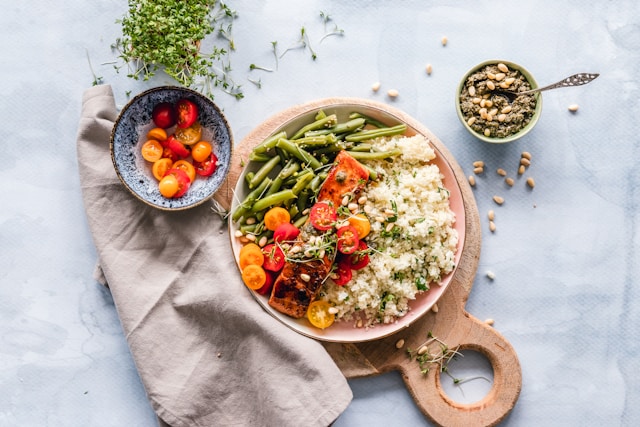
Photo: Ella Olsson / Unsplash
Discover more from BeeFit: Fitness & Wellness
Subscribe to get the latest posts sent to your email.
Share :