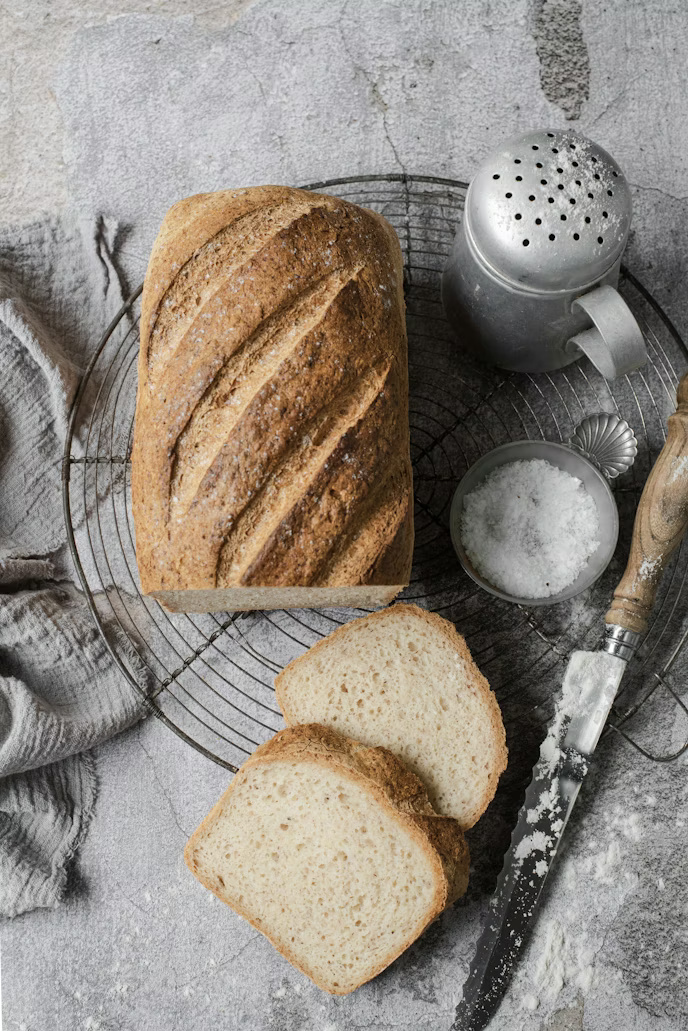
The healthiest bread types are not the ones with the loudest front-of-package claims. They are the loaves that give you enough fiber, useful nutrients, satisfying texture, and ingredients you can understand without turning bread into a food you need to fear.
Quick Take
- Look for bread made mostly from whole grains, sprouted grains, seeds, oats, or rye rather than refined flour.
- Fiber matters more than marketing. A practical target is at least 3 grams of fiber per slice.
- Sourdough may be easier to digest for some people, but wheat sourdough is not gluten-free or safe for celiac disease.
- The best bread depends on your goal: satiety, digestion, blood sugar control, training fuel, or gluten avoidance.
What Makes a Bread Healthier?
A healthier bread usually starts with a whole-food base: whole wheat, whole rye, oats, sprouted grains, flaxseed, chia, pumpkin seeds, or other minimally processed grains and seeds. Whole grains retain the bran, germ, and endosperm. That means more fiber, B vitamins, minerals, and plant compounds than refined white flour. The American Heart Association explains whole grains and dietary fiber as part of a heart-supportive eating pattern.
The healthiest bread types also fit the rest of your meal. A slice of whole grain toast with eggs, Greek yogurt, hummus, tuna, cottage cheese, or tofu is different from eating sweetened bread alone. Pairing bread with protein and healthy fat slows the meal down and improves fullness. It also makes it easier to stay within your goals. For more on building satisfying meals, BeeFit’s guide to the broader benefits of protein is a useful companion.
7 Healthiest Bread Types Worth Buying
1. Sprouted Grain Bread
Best for: Satiety, higher-protein toast, and steady everyday energy.
Sprouted grain bread uses grains or legumes that have begun to germinate before milling or baking. This can slightly change the starch, fiber, and nutrient profile. Some people also find it more filling than standard sandwich bread. It is not magic, but many sprouted breads contain a mix of wheat, barley, millet, lentils, soybeans, or seeds.
Check the label rather than assuming every sprouted loaf is high protein. Some are excellent; others are only marginally different from regular bread. Choose one with whole sprouted grains near the top of the ingredient list. Aim for at least 3 grams of fiber per slice and a protein count that helps your meal.
2. Whole Grain Sourdough Bread
Best for: Flavor, texture, and potentially easier digestion.
Bakers make sourdough through fermentation with wild yeast and lactic acid bacteria. That process can affect acidity, starch digestion, and some fermentable carbohydrates. As a result, sourdough may feel easier on the stomach for certain people. Evidence is mixed, though; a systematic review on sourdough nutrition found that effects on blood glucose, satiety, and gastrointestinal comfort vary by recipe and fermentation method.
One important correction: baked sourdough should not be treated as a probiotic food, because heat kills most live microbes. It also is not safe for celiac disease if it contains wheat, barley, or rye. If sourdough works well for you, choose whole wheat or whole rye sourdough more often than white sourdough.
If you want a deeper dive, BeeFit has a dedicated guide to sourdough bread health benefits with more detail on fermentation and label quality.
3. 100% Whole Wheat Bread
Best for: A simple, affordable daily bread.
Whole wheat bread can be one of the healthiest bread types when the first ingredient is “100% whole wheat flour” or “whole wheat flour,” not enriched wheat flour. The difference matters. “Wheat bread” may still be mostly refined flour with coloring or a small amount of whole grain added back in.
Good whole wheat bread provides complex carbohydrates, fiber, and B vitamins that support training, workdays, and regular digestion. For most active people, bread does not need to be removed. It needs to be chosen well and portioned according to the meal.
4. Rye Bread for Fullness
Best for: Fullness, savory meals, and people who prefer dense bread.
Rye bread can be especially satisfying because many versions are dense, chewy, and rich in fermentable fibers. Whole grain rye, pumpernickel, and seeded rye are usually better choices than light rye made mostly with refined wheat flour. Rye is not automatically higher in fiber than whole wheat; the product matters.
Use rye for open-faced sandwiches with eggs, salmon, turkey, tempeh, or avocado. Its stronger flavor helps a modest portion feel more substantial. That can be useful if you are managing appetite without cutting carbohydrates too aggressively.
5. Oat Bread for Heart-Conscious Meals
Best for: Heart-conscious eating and softer sandwich bread.
Oat bread is worth considering when it contains whole oats or oat flour near the top of the ingredient list. Oats provide beta-glucan, a soluble fiber associated with cholesterol support as part of an overall heart-healthy diet. The FDA has recognized an authorized health claim for soluble fiber from oats and heart disease risk when intake reaches meaningful amounts.
Many supermarket oat breads contain only a small amount of oats, so compare labels. A strong oat bread should still deliver fiber, not just oat flakes sprinkled on top.
6. Flaxseed Bread with Extra Fiber
Best for: Adding fiber, texture, and plant-based fats.
Flaxseed bread can add alpha-linolenic acid, lignans, and extra fiber to your meal. Those nutrients are useful, but avoid overstating them. Flax bread will not “balance hormones” on its own, and you should not treat it as a recovery supplement. It is simply a nutrient-dense bread option when the rest of your diet is solid.
Because flaxseed breads are often denser, they pair well with lean protein or high-protein spreads. Try turkey and mustard, cottage cheese and tomato, hummus and cucumber, or eggs with greens.
7. Gluten-Free Seed Bread
Best for: People who need or prefer gluten-free bread and still want fiber.
Gluten-free bread varies widely. Some loaves are mostly refined rice flour, tapioca starch, or potato starch with little fiber or protein. Seed-based gluten-free bread made with sunflower, pumpkin, chia, sesame, or flax can be more filling and nutrient-dense.
If you have celiac disease, choose bread that is clearly labeled gluten-free and avoid shared-bin bakery products unless cross-contact controls are clear. The FDA explains what the gluten-free label means, and the NIDDK notes that people with celiac disease need a strict gluten-free diet.
How to Choose the Healthiest Bread Types at the Store
Front labels are designed to sell. The nutrition facts panel and ingredient list tell you more.
- Start with the first ingredient. Look for whole wheat, whole rye, whole oats, sprouted grains, or seeds.
- Check fiber. Aim for at least 3 grams per slice; 4 to 6 grams is even better if your digestion tolerates it.
- Watch added sugar. A little sugar may be part of bread-making, but sweeteners should not dominate the ingredient list.
- Compare protein honestly. Bread does not need to be a protein food, but 4 to 6 grams per slice can help with satiety.
- Match bread to your body. If a high-fiber loaf causes bloating, increase gradually and drink enough fluid.
If your larger goal is digestive health, bread is only one piece of the pattern. BeeFit’s gut health protocol explains why fiber diversity from fruits, vegetables, legumes, oats, seeds, and fermented foods matters more than any single loaf.
Best Bread by Goal
For weight management, choose sprouted grain, rye, oat, or whole wheat bread and pair it with protein. The goal is not the lowest-calorie slice. It is the meal that keeps you full and satisfied.
For training fuel, whole wheat, sourdough, and sprouted grain bread work well before or after workouts when paired with protein. Bread can be an efficient carbohydrate source, especially around demanding lifting sessions or endurance training.
For blood sugar management, prioritize fiber-rich bread and avoid eating bread by itself. Responses vary by person, so people with diabetes or insulin resistance may benefit from checking their own glucose response and following medical guidance.
For gluten avoidance, choose certified gluten-free bread. Sourdough made from wheat is still wheat bread, even if it feels easier to digest for some people without celiac disease.
FAQ: Healthy Bread Questions
Is bread bad for weight loss?
No. Bread can fit a weight loss plan when portions are reasonable and the meal includes protein, fiber, and healthy fat. Problems usually come from low-fiber bread, large portions, calorie-dense toppings, or eating bread in a way that does not keep you full.
Is sourdough healthier than regular bread?
Sometimes, but not always. Long-fermented whole grain sourdough can be a strong option, but white sourdough is still mostly refined flour. The healthiest choice depends on ingredients, fiber, fermentation quality, and your digestion.
What is the healthiest bread for everyday sandwiches?
For most people, 100% whole wheat, sprouted grain, whole rye, or oat bread is a practical everyday choice. Pick the one you enjoy, digest well, and can use consistently in balanced meals.
The Bottom Line
The healthiest bread types are built on whole grains, sprouted grains, seeds, oats, or rye. They also provide enough fiber to make the meal more satisfying. You do not need to quit bread to eat well; you need to stop buying low-fiber loaves that act more like refined snack food than a useful carbohydrate source.
Start with the label, choose a bread that matches your digestion and goals, then build the meal around it. Toast with eggs, rye with salmon, oat bread with turkey, or seed bread with hummus can all fit a healthy pattern.
This article is for general nutrition education and is not a substitute for personalized medical advice. If you have celiac disease, diabetes, kidney disease, food allergies, or a medically prescribed diet, consult a qualified healthcare professional before changing your bread or grain intake.
Discover more from BeeFit: Fitness & Wellness
Subscribe to get the latest posts sent to your email.
Share :