The best diet for weight loss is usually sold as a label: Mediterranean, low-carb, low-fat, high-protein. A 2-year randomized clinical trial points to a less marketable but more useful answer: the diet name matters less than whether the plan improves food quality and helps you sustain a moderate calorie deficit.
Quick Take
- A 2026 JAMA Network Open DELISH trial found similar 24-month weight loss with an adapted Mediterranean-style program and a control behavioral program focused on reducing energy intake.
- The Mediterranean group improved diet quality more, which matters for health even when weight loss is similar.
- Low-carb, low-fat, higher-protein, and lower-energy-density patterns can all work when they make the deficit easier to repeat.
- Choose by adherence mechanics: satiety, food volume, social fit, cost, preferences, and maintenance risk.
What the Best Diet for Weight Loss Trial Found
The DELISH randomized clinical trial compared an adapted Mediterranean-style dietary intervention with a control intervention designed around reducing energy intake. Both groups received behavioral weight-loss support, so this was not Mediterranean eating versus no guidance.
After 24 months, adjusted weight loss was 3.40% in the Mediterranean group and 3.51% in the control group. That is essentially the same result for body weight. The Mediterranean group, however, improved diet quality more.
That distinction matters: food quality and calorie balance are not competing ideas. Food quality affects health, fullness, nutrient intake, and how easy a diet feels. Calorie balance determines whether body weight moves down.
Is the Mediterranean Diet the Best Diet for Weight Loss?
The Mediterranean diet is an excellent option, but not because it has a special fat-burning effect.
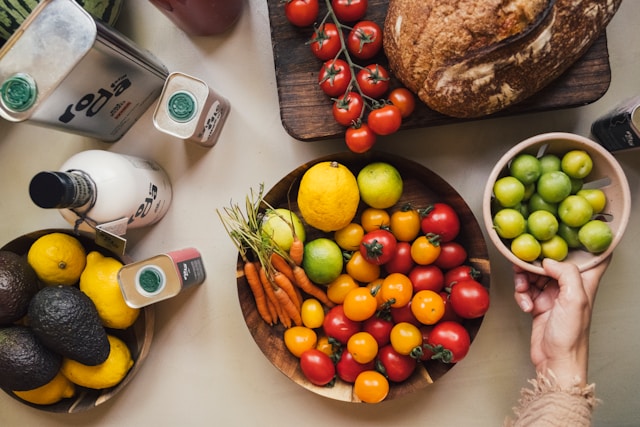
Mediterranean eating emphasizes vegetables, fruit, legumes, whole grains, nuts, olive oil, fish, and minimally processed foods. Its advantage may be flexibility. It can fit restaurants, family meals, travel, holidays, and food preferences more easily than stricter plans.
That flexibility is not a small detail. A diet that works only when your schedule is perfect is not really a long-term plan. BeeFit’s Best Diets guide makes the same practical point: a useful eating pattern has to work in real life.
Low-Carb vs. Low-Fat: Which One Wins?
Neither wins for everyone.
In the DIETFITS randomized clinical trial, 609 adults were assigned to either a healthy low-fat or healthy low-carbohydrate diet. After 12 months, average weight loss was 5.3 kg with low-fat and 6.0 kg with low-carb, a difference that was not statistically significant.
The practical takeaway is not that carbs or fat do not matter. They matter because they change meals, fullness, avoided foods, and repeatability. Low-carb may suit someone who finds protein- and fat-rich meals satisfying. Lower-fat eating may fit someone who enjoys grains, fruit, beans, potatoes, and larger food volume.
Best Diet for Weight Loss Decision Rule
Before asking which diet is “best,” ask which one solves your main adherence problem. Use this table as a quick selection test.
| Diet style | Best fit if… | Watch for… |
|---|---|---|
| Mediterranean-style | You want flexibility, social meals, minimally processed foods, and better diet quality without strict rules. | Calorie-dense healthy foods such as olive oil, nuts, cheese, and wine can still add up. |
| Low-carb | You feel fuller with eggs, Greek yogurt, meat, fish, tofu, non-starchy vegetables, and higher-fat meals. | Over-restricting fruit, beans, or whole grains may make the plan harder to sustain. |
| Low-fat | You prefer oats, rice, potatoes, beans, fruit, lean proteins, and higher food volume. | Very low-fat eating can feel unsatisfying if meals lack protein, fiber, or flavor. |
| Higher-protein | Hunger is your main barrier, or you are pairing weight loss with strength training. | Adding protein foods on top of your usual intake can raise calories instead of reducing them. |
| Lower-energy-density | You dislike tiny portions and do better with soups, vegetables, fruit, beans, potatoes, whole grains, and lean proteins. | Volume helps, but liquid calories, oils, desserts, and snack foods can erase the deficit quickly. |
The best diet for weight loss should make your easiest meals line up with your goal. If every normal dinner feels like a negotiation, the plan probably has a maintenance problem.
Where Protein and Food Volume Help
Higher protein can make a calorie deficit easier because protein-rich meals often improve fullness and help support lean mass during weight loss, especially with resistance training. BeeFit’s Protein for Muscle Growth guide explains how to use protein more strategically if training is part of your plan.
But “high-protein” does not override calories. Shakes, bars, cheese, extra meat, and spoonfuls of nut butter can help in the right context, but they can also turn a deficit into maintenance.
Energy density is another useful lever. Vegetables, fruit, soups, beans, potatoes, whole grains, and lean protein generally provide more food volume for fewer calories than fried foods, pastries, chips, and many snack foods. A 2026 JAMA Network Open analysis found that a low-fat vegan diet reduced dietary energy density, and that reduction was associated with weight loss without prescribed calorie counting.
You do not need to go vegan to use the idea. Build meals that let you eat a satisfying amount while keeping calories reasonable.
Why Regain Is Not Just a Willpower Problem
Regain is common because weight loss does not end when the scale reaches a target. After weight loss, energy needs fall, hunger can increase, and the body may become more efficient at conserving energy. A review on the physiology of weight regain describes changes in appetite regulation, energy expenditure, and metabolic adaptation that can make maintenance harder than the initial loss phase.
Real life adds stress, poor sleep, restaurant meals, alcohol, travel, family routines, and less structured tracking. Crash diets often teach people how to lose weight, but not how to keep living after the diet phase ends. That is why the best diet for weight loss is rarely the most aggressive one; it is the one that can become a lower-effort default.
For people with obesity, diet changes may be only one part of care. Medical nutrition therapy, anti-obesity medications, and metabolic or bariatric surgery can be appropriate depending on health status, BMI, history, and clinician guidance. The NIDDK overview of obesity treatment outlines these options in more detail.
A Practical Sustainability Checklist
A practical weight-loss diet should pass these tests before you commit to it:
- You can afford the foods most weeks.
- You can eat socially without constantly “breaking” the plan.
- Meals provide enough protein and fiber to manage hunger.
- You enjoy enough of the foods to repeat them.
- The calorie deficit is moderate rather than punishing.
- You can maintain a version of the plan after weight loss.
If a diet improves food quality but leaves you constantly hungry, socially isolated, or dependent on unusual foods, the label will not save it. If it creates a moderate deficit while keeping meals satisfying and repeatable, it has a much better chance.
The Bottom Line
Mediterranean, low-carb, low-fat, higher-protein, and lower-energy-density approaches can all work when they help you consistently eat fewer calories than you use while improving the quality of what you eat.
The better question is not, “Which diet wins?” It is: Which eating pattern makes a moderate calorie deficit feel repeatable for months, not weeks?
This article is for educational purposes only and is not a substitute for individualized medical or nutrition advice.
Photo: Ahmet Koç / Unsplash
Discover more from BeeFit: Fitness & Wellness
Subscribe to get the latest posts sent to your email.
Share :