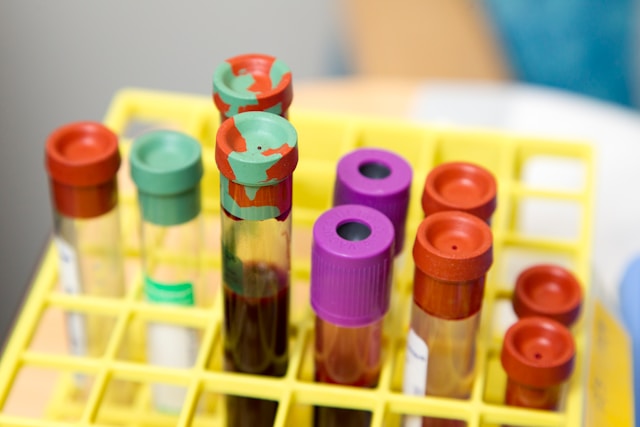
Does creatine hurt your kidneys? For most healthy adults using standard doses, current clinical evidence is reassuring—but creatine can make routine kidney labs look worse if the results are interpreted without context.
Quick Take
- Creatine may slightly raise blood creatinine, a marker used to estimate kidney filtration.
- A higher creatinine result does not automatically mean kidney damage, especially in muscular people or creatine users.
- Creatinine-based eGFR can appear lower even when measured kidney filtration is not clearly reduced.
- Healthy adults usually use 3–5 grams of creatine monohydrate daily; loading is optional.
- People with kidney disease, abnormal kidney tests, albumin in urine, or kidney-affecting medications should talk with a clinician first.
Does Creatine Hurt Your Kidneys?
The short answer: the best available trial evidence does not show clear kidney damage from standard creatine supplementation in healthy adults. The more useful answer is that creatine can change how some kidney labs look.
A 2026 systematic review and meta-analysis on creatine supplementation and kidney health evaluated randomized trials that tracked kidney-related outcomes in human participants. The authors reported a small increase in serum creatinine, but other kidney markers did not show a consistent pattern of injury.
That distinction matters. Creatinine is not the same thing as creatine, and it is not a direct picture of kidney tissue damage. Clinicians often use it to estimate filtration.
So when someone asks, “does creatine hurt your kidneys,” lab context matters as much as the supplement itself. A small creatinine rise may reflect creatine metabolism, muscle mass, hard training, recent meat intake, hydration status, or kidney function.
Creatine, Creatinine, and Kidney eGFR
Creatine is stored mostly in muscle. It helps regenerate ATP, the quick-energy system your body uses during heavy sets, sprints, jumps, and short intervals.
Creatinine is a breakdown product related to creatine and muscle metabolism. Your kidneys normally filter creatinine from the blood, which is why serum creatinine appears on many kidney screening panels.
eGFR means estimated glomerular filtration rate. In routine blood work, eGFR often comes from serum creatinine, age, and sex. If creatinine rises, creatinine-based eGFR may estimate lower filtration even when the kidneys are not truly filtering less.
The National Kidney Foundation notes that creatine supplements, recent high-intensity exercise, cooked meat, and high muscle mass can affect creatinine levels. Lifters, athletes, and muscular adults may need more careful lab interpretation.
Why Creatine Can Make Kidney Labs Look Worse
Creatine supplementation increases the amount of creatine available in the body. Some of that creatine naturally converts into creatinine. If blood creatinine rises, a creatinine-based eGFR result may fall because the equation assumes higher creatinine often means lower filtration.
In practical terms:
- Creatine intake may raise serum creatinine slightly.
- Higher serum creatinine may make calculated eGFR appear lower.
- A lower calculated eGFR does not always prove actual kidney damage.
This is why measured filtration, urine testing, and clinical history matter. The 2026 meta-analysis found that creatinine-based estimates could look less favorable, while directly measured kidney filtration did not show the same clear decline.
Kidney guidelines recognize this limitation. The KDIGO 2024 CKD guideline executive summary lists high-protein diets and creatine supplements among factors that can affect creatinine-based estimates.
When Does Creatine Hurt Your Kidneys Become a Concern?
A higher creatinine result should not be ignored, but it should not be interpreted in isolation either. If you take creatine, lift hard, carry more muscle than average, eat a lot of meat, or trained before blood work, tell the healthcare professional reviewing your results.
A fuller kidney assessment may include:
- eGFR trends over several tests, not one isolated result
- Urine albumin-to-creatinine ratio or other urine protein testing
- Cystatin C when muscle mass or creatine use complicates interpretation
- Blood pressure, diabetes risk, cardiovascular history, and medications
- Repeat testing after illness, dehydration, intense exercise, or supplement changes when appropriate
A healthy 28-year-old lifter with normal urine testing is not the same case as someone with chronic kidney disease, uncontrolled hypertension, diabetes, or persistent albumin in the urine.
Creatine Safety for Healthy Adults
For healthy adults, creatine monohydrate remains one of the better-supported performance supplements. The International Society of Sports Nutrition position stand supports creatine monohydrate for improving high-intensity exercise capacity and lean mass gains during training, with a generally favorable safety profile in studied populations.
A simple dose is 3–5 grams of creatine monohydrate daily. Loading with about 20 grams per day for several days can saturate muscle stores faster, but it is not required. Many people prefer the lower daily dose because it is simple and less likely to cause stomach discomfort.
Creatine works best as part of a complete routine: progressive resistance training, adequate protein, enough calories for your goal, sleep, and sensible recovery. BeeFit’s guide to muscle recovery supplements explains where creatine fits compared with protein, collagen, tart cherry, magnesium, and other options.
If you are newer to training, avoid building a large supplement stack before the basics are in place. BeeFit’s beginner supplement guide gives a practical order for deciding what is worth buying first.
Who Should Be More Careful With Creatine?
The evidence is reassuring for many healthy users, but it does not mean every person should start creatine without context. Trial populations, doses, health status, and follow-up durations vary. Long-term evidence in people with kidney disease remains more limited.
Speak with a qualified healthcare professional before using creatine if you have diagnosed kidney disease, persistently abnormal creatinine or eGFR, albumin or protein in your urine, one functioning kidney, unmanaged high blood pressure, diabetes with kidney involvement, or medications that can affect kidney function.
Do not stop creatine solely to “fix” a lab number unless your clinician recommends it. Instead, report your dose, timing, training routine, recent exercise, hydration, and diet so the result can be interpreted accurately.
FAQ: Creatine and Kidney Tests
Can creatine lower kidney eGFR?
Creatine can make creatinine-based eGFR appear lower because the equation uses serum creatinine. That does not automatically mean measured kidney filtration has fallen.
Does creatine hurt your kidneys if you take it every day?
In healthy adults using standard doses, current evidence does not show clear kidney injury from daily creatine. People with kidney disease or abnormal kidney labs need individualized medical guidance.
The Bottom Line on Creatine and Kidneys
Creatine can raise creatinine, but creatine and creatinine are not the same thing. That small wording difference can change how kidney labs are interpreted.
For most healthy adults, the answer to “does creatine hurt your kidneys” is reassuring: standard creatine use has not been shown to cause clear kidney damage in the available trial evidence. The more common issue is that routine creatinine-based tests may look worse than actual kidney function.
If your kidney tests are abnormal, do not interpret them alone. Tell your clinician about creatine, training, diet, medications, and health history so the decision is based on the full picture.
This article is for educational purposes only and is not a substitute for medical advice, kidney evaluation, diagnosis, or treatment. If you have kidney disease, abnormal kidney tests, or take medications that affect kidney function, discuss creatine supplementation with a qualified healthcare professional.
Photo: National Cancer Institute/Unsplash
Discover more from BeeFit: Fitness & Wellness
Subscribe to get the latest posts sent to your email.
Share :