Finding time for a full workout is not always easy. However, most people can find a few minutes between meetings, after meals, or while waiting for dinner to cook. That is the idea behind exercise snacks: short bouts of purposeful activity spread throughout the day.
Quick Take
- Exercise snacks usually last between one and five minutes.
- They can interrupt prolonged sitting and increase daily movement.
- Short post-meal walks may help reduce the rise in blood glucose after eating.
- Vigorous bursts can improve cardiorespiratory fitness in some inactive adults.
- Bodyweight snacks can support mobility and physical function.
- They complement—but do not fully replace—structured cardio and resistance training.
The term covers several different approaches. A one-minute stair-climbing burst is not the same as a five-minute walk, and neither provides the same training stimulus as a complete strength workout.
What Are Exercise Snacks?
Exercise snacks are brief activity bouts performed one or more times throughout the day, usually outside a formal workout.
Common examples include:
- One minute of brisk stair climbing
- A five-minute walking break
- A short walk after a meal
- Several sets of chair squats or wall push-ups
- A quick bodyweight circuit between meetings
A 2026 review concluded that these brief bouts may help interrupt sedentary behavior and improve selected glucose, insulin, fitness, and physical-function outcomes. However, the results varied according to the exercise intensity, duration, frequency, and population studied.
Read the 2026 review of exercise snacks and health.
1. Can One-Minute Exercise Snacks Improve Fitness?
Short, vigorous efforts can provide a meaningful cardiovascular stimulus when they noticeably raise breathing and heart rate.
Studies have used exercises such as:
- Fast stair climbing
- Hard stationary cycling
- Running in place
- Vigorous step-ups
- Modified burpees
Some multiweek stair-climbing protocols have improved cardiorespiratory fitness in previously inactive adults. The bouts were brief, but they were repeated consistently and performed at a challenging intensity.
This does not mean every activity break needs to be exhausting. Vigorous snacks may be useful for healthy adults who already tolerate moderate exercise, but they are not appropriate for everyone.
BeeFit’s Burpees Done Right explains how to scale a higher-intensity bodyweight movement safely.
2. How Do Five-Minute Movement Breaks Help?
A five-minute movement break may not feel like a workout, but it can still improve the pattern of your day.
Long, uninterrupted sitting is different from sitting that is regularly broken up with walking or muscular activity. A movement break may include walking around the office, performing chair squats, climbing stairs, or completing gentle mobility exercises.
Try this simple five-minute sequence:
- Walk for one minute
- Perform 10 controlled chair squats
- Complete 8–12 wall push-ups
- Perform 15 calf raises
- Walk for the remaining time
The goal is not to become exhausted. It is to change posture, activate major muscle groups, and avoid remaining motionless for several hours.
One limitation is that movement breaks do not necessarily reduce total sitting time. You can interrupt your desk time regularly and still spend most of the day seated. They work best alongside a broader effort to move more.
3. Do Post-Meal Walks Help Blood Sugar?
A short walk after eating is one of the most practical forms of exercise snacking.
When muscles contract, they increase their uptake of glucose. Research suggests that walking soon after a meal can reduce the immediate post-meal glucose rise more effectively than remaining seated or delaying the walk.
Review the systematic review of post-meal walking and glucose.
A realistic schedule could include:
- Five minutes after breakfast
- Five to ten minutes after lunch
- Ten minutes after dinner
This does not mean normal post-meal glucose changes are dangerous or that everyone needs to monitor glucose. The practical benefit is simply replacing passive sitting with light activity.
People using insulin or medications that can cause hypoglycemia should follow individualized guidance when changing their activity patterns.
4. Can Bodyweight Exercise Snacks Build Strength?
Bodyweight snacks can activate muscles and support physical function, particularly among beginners, older adults, and people returning from inactivity.
Useful movements include:
- Chair squats
- Wall or counter push-ups
- Step-ups
- Calf raises
- Supported lunges
- Loaded carries
However, the exercises must gradually become more challenging if strength development is the goal. Repeating the same easy set of squats indefinitely will eventually stop producing meaningful adaptation.
Progress can come from:
- Adding repetitions
- Increasing resistance
- Using a greater range of motion
- Choosing a harder variation
- Performing additional sets
For a complete progression, use BeeFit’s Quick Home Workouts for Busy Schedules.
Can Exercise Snacks Replace a Full Workout?
Not completely.
Short bouts can contribute toward weekly physical-activity targets, and current guidelines no longer require aerobic activity to occur in blocks of at least 10 minutes. Every active minute can count.
However, a complete training program provides benefits that scattered activity breaks may not deliver:
- Progressive resistance across all major muscle groups
- Sustained cardiovascular training
- Higher total training volume
- Exercise-skill development
- Bone-loading stimulus
- Planned progression
Adults should still work toward regular aerobic activity and muscle-strengthening exercise on at least two days each week.
This distinction is especially important during weight loss. Frequent activity can increase daily movement, but maintaining muscle still requires purposeful resistance training and adequate protein. Read BeeFit’s GLP-1 Weight Loss: Protect Muscle and Stay Active for a more complete strategy.
How to Add Exercise Snacks to Your Day
Start with two or three predictable opportunities rather than trying to exercise every hour.
A simple schedule might look like this:
- Morning: Five-minute brisk walk
- After lunch: Five-to-ten-minute walk
- Mid-afternoon: Chair squats and wall push-ups
- After dinner: Comfortable walk
- Optional: One vigorous stair-climbing burst
Attach each activity to an existing habit, such as finishing a meal, ending a meeting, making coffee, or waiting for food to cook.
BeeFit’s Mitochondrial Energy Guide explains how regular movement, cardiovascular exercise, and strength training create different but complementary adaptations.
Exercise Snacks FAQ
Is Five Minutes of Exercise Worth It?
Yes. Five minutes can interrupt sitting, increase total activity, and contribute to a more active lifestyle.
Its value should not be dismissed because it is short, but it should not be presented as a complete fitness solution when total weekly activity remains low.
How Many Exercise Snacks Should You Do?
There is no universal number. Start with two or three per day and choose times you can maintain consistently.
Do They Help With Weight Loss?
They can increase daily movement and energy expenditure, but research has not shown consistent weight-loss results from exercise snacks alone.
Nutrition, total activity, sleep, and structured training still matter.
Should Every Exercise Snack Be Vigorous?
No. Walking and light bodyweight exercises are easier to repeat and create less fatigue. Vigorous bursts provide a stronger cardiovascular stimulus but require more caution and recovery.
The Bottom Line
Exercise snacks are a practical way to move more, sit less, and make activity fit into a busy day. One-minute vigorous efforts may improve fitness, five-minute movement breaks can interrupt sitting, and short post-meal walks may support glucose control.
They are especially valuable for people who currently do very little activity. However, they should usually complement—not permanently replace—complete cardiovascular and resistance-training sessions.
The most useful question is not whether five minutes is enough. It is whether those five minutes help you build a more active day and a more consistent training routine.
For a personalized plan based on your available time, equipment, and goals, use the BeeFit AI Fitness Planner.
Related BeeFit Guides
- GLP-1 Weight Loss: Protect Muscle and Stay Active
- Heart Health After 40
- Burpees Done Right
- Mitochondrial Energy
- Quick Home Workouts
Research Sources
- Exercise Snacks and Health: 2026 Review
- Exercise Snacks and Cardiorespiratory Fitness
- Post-Meal Walking and Glucose Control
- Physical Activity Guidelines for Americans
This article is for informational and educational purposes only and is not a substitute for medical advice or individualized exercise programming. Consult a qualified healthcare professional before attempting vigorous exercise if you have cardiovascular disease, unexplained chest pain, dizziness, uncontrolled blood pressure, diabetes treated with glucose-lowering medication, or significant joint limitations.
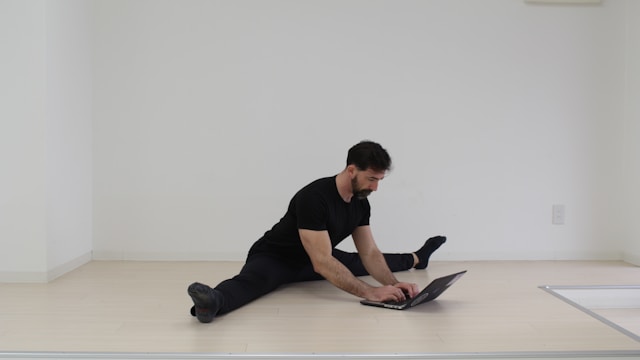
Photo: GMB Fitness/ Unsplash
Discover more from BeeFit: Fitness & Wellness
Subscribe to get the latest posts sent to your email.
Share :