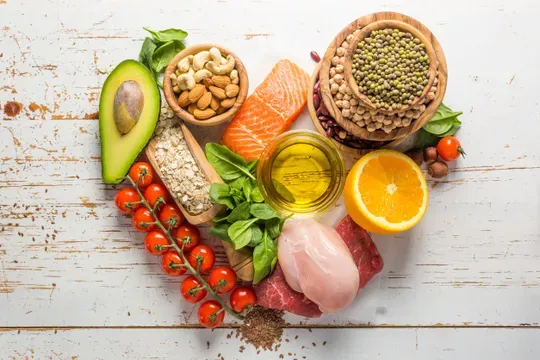
The best nutrients for mood energy and immunity are not magic “super-vitamins.” They are basic nutrients your body uses for hormone signaling, nerve function, inflammation control, oxygen delivery, and cellular energy. When intake is low, or when needs rise because of age, limited sun exposure, diet pattern, medications, or health conditions, you may feel the difference.
Quick Take
- Vitamin D, omega-3 fats, magnesium, and antioxidant-rich foods can support normal immune function, energy metabolism, brain health, and recovery.
- Food, sunlight, sleep, movement, and medical context matter more than chasing high-dose supplements.
- Deficiency correction can help, but taking more than you need is not automatically better.
- People who are pregnant, have kidney disease, take blood thinners, use prescription medications, or have chronic conditions should ask a clinician before supplementing.
What nutrients for mood energy and immunity really means
Calling something a “super-vitamin” sounds appealing, but it blurs the science. Omega-3s are fats, magnesium is a mineral, antioxidants are a broad group of compounds, and vitamin D behaves more like a hormone precursor.
A better way to think about nutrients for mood energy and immunity is this: they help normal systems work properly. They do not override poor sleep, chronic stress, low protein intake, inactivity, or an unbalanced diet. They also do not treat depression, chronic fatigue, autoimmune disease, or infections on their own.
Still, these nutrients deserve attention because gaps are common in real life. Indoor work, low seafood intake, restrictive dieting, digestive conditions, alcohol use, aging, and certain medications can all affect nutrient status. If your diet has been inconsistent, BeeFit’s 30-day eat less sugar challenge can help you rebuild meals around steadier energy.
Vitamin D for Mood, Energy, and Immune Function
Vitamin D helps the body absorb calcium and supports bone, muscle, nerve, and immune function. The NIH Office of Dietary Supplements notes that vitamin D occurs naturally in only a few foods. Manufacturers also add it to some fortified foods, and supplements can provide it when needed.
Low vitamin D can show up as fatigue, muscle weakness, bone discomfort, or no obvious symptoms at all. Risk runs higher with limited sun exposure, darker skin, higher body fat, older age, malabsorption conditions, or diets that exclude fortified foods and fatty fish.
For most adults, the recommended intake is 600 IU per day through age 70 and 800 IU per day after age 70. Some people need more under medical supervision. High-dose vitamin D can become toxic because it is fat-soluble, so more is not better if your blood level is adequate.
Useful food sources include salmon, sardines, trout, tuna, egg yolks, UV-exposed mushrooms, and fortified milk or plant milks. Moderate sun exposure may help, but skin cancer risk still matters. If you suspect deficiency, a blood test is more useful than guessing.
Omega-3 Fats for Brain, Heart, and Inflammation Support
Omega-3 fatty acids include ALA from plant foods and EPA and DHA from marine foods. EPA and DHA are the forms most associated with heart and brain health. The American Heart Association recommends two servings of fish per week, especially fatty fish.
These fats help form cell membranes and influence inflammatory signaling. They may support cardiovascular health and may be relevant to mood. However, the evidence is stronger for heart health than for broad claims about anxiety, depression, or daily energy.
Good sources include salmon, sardines, anchovies, trout, herring, and mackerel. Walnuts, chia seeds, flaxseed, hemp seeds, and soy foods provide ALA. The body converts ALA to EPA and DHA inefficiently, so plant-based eaters may consider algae-based DHA/EPA if intake is low.
Fish oil supplements can help some people, especially when clinicians prescribe them for high triglycerides. They are not a substitute for an overall heart-supportive diet. Use extra caution if you take blood thinners, have a bleeding disorder, have surgery scheduled, or take multiple medications.
Magnesium for Muscle, Nerve, Sleep, and Stress Support
Magnesium is involved in hundreds of enzyme systems, including those related to muscle contraction, nerve signaling, blood glucose control, and energy production. The NIH magnesium fact sheet lists nuts, seeds, legumes, whole grains, and leafy greens as important sources.
Low magnesium intake does not always cause obvious symptoms. In some people, inadequate status may contribute to muscle cramps, fatigue, irritability, or poor sleep. These symptoms are nonspecific, so they should not count as proof of deficiency.
Adult men generally need about 400–420 mg per day, while adult women generally need about 310–320 mg per day. Needs may differ during pregnancy, with certain medical conditions, or with medications such as diuretics or proton pump inhibitors.
Start with food when possible: pumpkin seeds, almonds, cashews, black beans, lentils, edamame, spinach, oats, brown rice, dark chocolate, and yogurt all contribute. If using supplements, magnesium glycinate and citrate are common options. Supplemental magnesium can cause diarrhea and may be unsafe for people with kidney disease unless a clinician approves it.
Antioxidant-Rich Foods for Immune and Recovery Support
Antioxidants help neutralize free radicals, but that does not mean high-dose antioxidant supplements improve health. The body also uses oxidative stress as part of normal immune defense and exercise adaptation. Large supplement doses may blunt that process rather than help it.
Harvard’s Nutrition Source explains that fruits, vegetables, whole grains, and legumes provide antioxidants along with fiber, minerals, and other protective compounds. High-dose antioxidant supplements have not consistently delivered the same benefits. The NIH’s NCCIH also warns that some high-dose antioxidant supplements may carry risks in specific groups.
Instead of trying to isolate one compound, build variety: berries, citrus, kiwi, peppers, tomatoes, carrots, sweet potatoes, leafy greens, beans, lentils, herbs, spices, nuts, seeds, cocoa, tea, and coffee can all contribute. Color is not a perfect measure of nutrition, but it is a useful prompt to diversify your plate.
For active people, antioxidant-rich foods also pair well with training recovery because they bring carbohydrates, fluids, and micronutrients without the uncertainty of megadose supplements. If your meals are low in protein or inconsistent across the day, BeeFit’s guide to protein timing can help you build a stronger foundation before adding supplements.
How to Build These Nutrients Into a Normal Week
The simplest way to improve nutrients for mood energy and immunity is to make a few repeatable meals more nutrient-dense. You do not need a complicated protocol.
- Eat fatty fish twice weekly, or use an algae-based option if you avoid seafood.
- Add a magnesium food daily, such as pumpkin seeds, beans, lentils, oats, spinach, or almonds.
- Choose colorful plants at two meals, rotating berries, greens, peppers, tomatoes, citrus, carrots, and legumes.
- Use fortified foods strategically, especially fortified dairy or plant milk if vitamin D intake is low.
- Pair fat-soluble nutrients with fat, such as olive oil on vegetables or eggs with avocado.
- Test before long-term high dosing, particularly with vitamin D, iron, or any supplement used to correct a suspected deficiency.
Meal structure matters too. A breakfast of Greek yogurt, berries, chia seeds, and fortified milk covers protein, magnesium, antioxidants, and potentially vitamin D. A salmon bowl with brown rice, spinach, olive oil, and citrus does the same at lunch or dinner. For broader meal planning support, BeeFit’s high-protein meal plan shows how to combine nutrient density with practical prep.
Supplement Safety for Mood, Energy, and Immunity
Supplements can help when a true gap exists, but they can also create problems. Vitamin D can build up to toxic levels. Magnesium supplements can worsen diarrhea and may be dangerous with impaired kidney function. Fish oil may interact with blood-thinning medication. High-dose antioxidant supplements may interfere with some cancer treatments or medications.
Use extra caution if you are pregnant or breastfeeding, managing kidney disease, taking anticoagulants, undergoing cancer treatment, using prescription medications, or giving supplements to a child. In those cases, personalized medical advice is not optional.
If you do supplement, choose products with third-party testing when possible. Check the amount per serving, and avoid stacking multiple products that contain the same nutrient. A multivitamin, immune blend, sleep powder, and separate vitamin D capsule can overlap quickly.
FAQ
Can I get enough vitamin D from food alone?
Some people can, but many do not because natural food sources are limited. Fortified foods help. If you have risk factors for low vitamin D, ask about testing before taking high doses long term.
Are omega-3 supplements as good as eating fish?
Not exactly. Fish provides EPA, DHA, protein, selenium, vitamin D, and other nutrients. Supplements may help when seafood intake is low or when a clinician recommends them, but food remains the better first step for most people.
Which nutrients should I test before supplementing?
Vitamin D is commonly tested. Magnesium status is harder to assess with standard blood tests, but your clinician can interpret symptoms, diet, medications, and risk factors. Do not rely on symptoms alone.
The Bottom Line
The most useful nutrients for mood energy and immunity are not exotic. Vitamin D, omega-3 fats, magnesium, and antioxidant-rich foods work best as part of a steady routine: balanced meals, regular movement, enough sleep, safe sun habits, and targeted testing when needed.
If you feel persistently fatigued, unusually low, frequently ill, or unable to recover from normal training, do not guess your way through a supplement shelf. Review your diet, medications, sleep, and lab work with a qualified healthcare professional.
This article is for informational purposes only and is not medical advice. Always consult a healthcare provider before using supplements, changing medication routines, or making major lifestyle changes, especially if you have a medical condition, are pregnant, or take prescription medications.
Discover more from BeeFit: Fitness & Wellness
Subscribe to get the latest posts sent to your email.
Share :