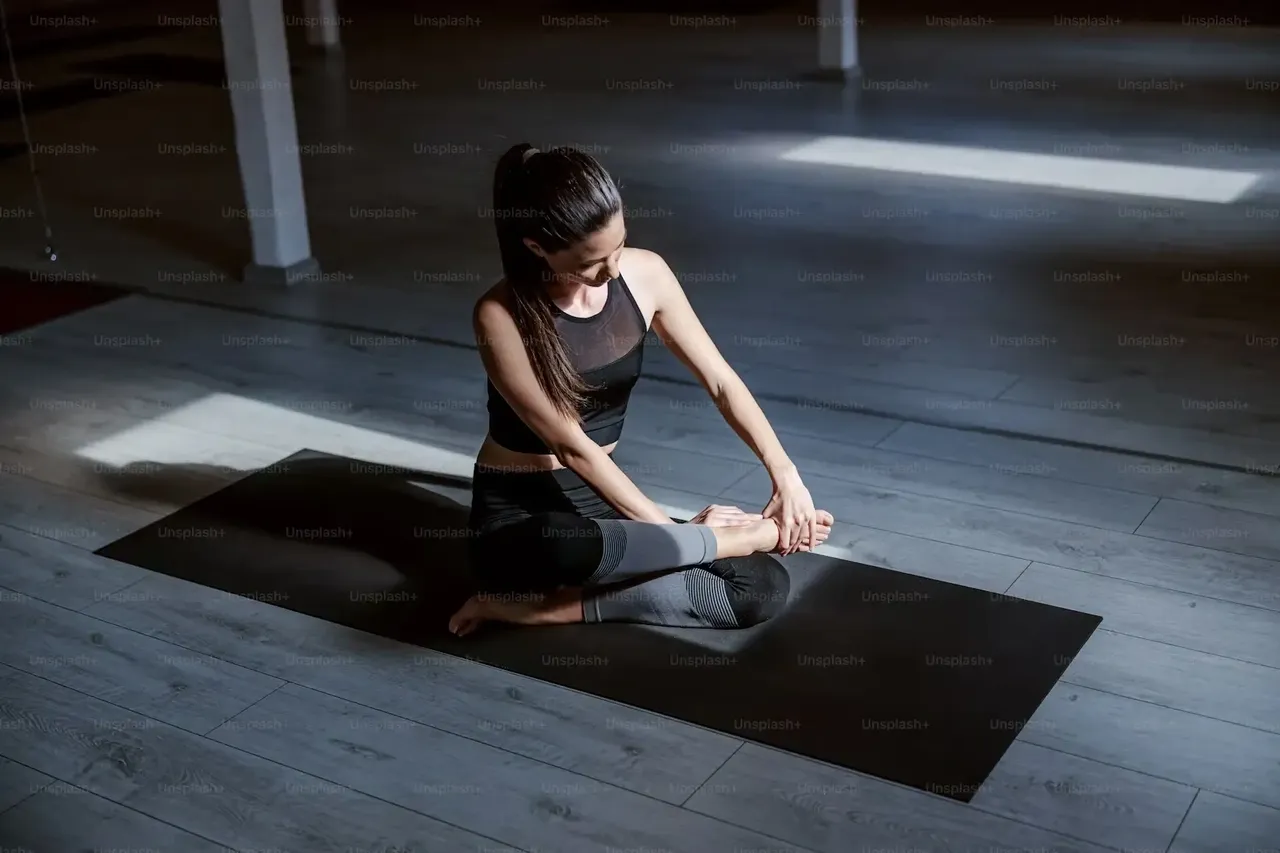
Soft fitness is a gentler way to stay active without turning every workout into a test of toughness. It centers low-impact movement, consistency, recovery, and enjoyment. That makes it useful for beginners, busy adults, older exercisers, and anyone who wants exercise to feel less punishing and more repeatable.
Quick Take
- Soft fitness uses gentle, low-impact exercise such as walking, mobility, yoga, dance, and water-based movement.
- It can support mood, sleep, cardiovascular health, balance, and long-term consistency without requiring high intensity.
- It is especially helpful when stress, joint sensitivity, low energy, or burnout make harder workouts difficult to sustain.
- The goal is not to avoid effort forever; it is to choose movement you can recover from and repeat.
- If you are managing injury, arthritis, pregnancy, postpartum recovery, chronic fatigue, or a medical condition, get personalized guidance before starting.
What Is Soft Fitness?
Soft fitness refers to gentle workouts that prioritize comfort, control, and sustainable effort over intensity for its own sake. A session might still raise your heart rate, challenge your balance, or improve mobility. But it should leave you feeling better rather than depleted.
This approach usually includes low-impact movement, slower progressions, mindful pacing, and enough variety to keep exercise from feeling like a chore. Walking, beginner strength circuits, mobility flows, restorative yoga, aqua aerobics, and low-impact dance all fit the category when scaled appropriately.
The appeal is practical. Many people do not need another extreme challenge; they need a way to move on stressful weeks or rebuild after time away. Others want to stay active without irritating joints. For a simple starting point, BeeFit’s bodyweight workout plan for beginners pairs well with gentle cardio and mobility days.
Why Gentle Exercise Still Counts
Gentle training is not “fake exercise.” The CDC notes that physical activity can improve sleep quality, reduce anxiety, lower blood pressure, support brain health, and reduce the risk of several chronic diseases. You do not need to train at maximum intensity to earn meaningful health benefits.
Public health guidelines generally recommend 150 to 300 minutes per week of moderate-intensity aerobic activity. They also recommend muscle-strengthening activity on two or more days. Brisk walking, cycling, water exercise, and steady low-impact cardio can all help fill that aerobic bucket at the right effort.
Mental health is another reason this style has traction. An umbrella review of randomized trials found that physical activity can improve symptoms of depression, anxiety, and psychological distress across many adult populations. Exercise is not a replacement for medical or mental health care, but gentle movement can be a useful support.
The biggest advantage may be adherence. A workout that you can repeat three or four times per week usually matters more than an intense plan you abandon after ten days. If low-intensity cardio is your preferred entry point, BeeFit’s guide to HIIT vs. LISS for fat loss explains where easier cardio fits alongside harder training.
Low-Impact Routines to Try
Walking Workouts
Walking is the simplest soft fitness option because it needs almost no equipment and scales easily. Start with 10 to 20 minutes at a conversational pace. Then add time or short brisk intervals as your fitness improves.
To make walking feel less repetitive, use a playlist, take a different route, walk after meals, or alternate easy and brisk blocks. BeeFit’s Japanese walking guide is a useful next step if steady walks start feeling too easy.
Mobility and Stretch Flows
Mobility work helps you practice usable range of motion rather than forcing deep stretches. Think hip circles, cat-cow, thoracic rotations, ankle rocks, shoulder controlled circles, and gentle squat holds.
A good mobility session can take 8 to 15 minutes. It works well in the morning, on recovery days, or before strength training. If you are sore from harder sessions, BeeFit’s recovery moves for muscle soreness can help you choose movements that support recovery without turning the day into another hard workout.
Aqua Exercise
Water-based exercise can be a smart option for people who want resistance with less impact. Aqua walking, pool intervals, aqua aerobics, and balance-based pool classes can challenge the heart and muscles. They also reduce pounding on the body.
That does not mean it is automatically right for every injury or condition. If you are in rehab, have balance concerns, or feel pain during daily movement, ask a clinician or physical therapist how to scale pool work safely.
Restorative Yoga or Yin-Inspired Sessions
Restorative yoga emphasizes supported positions, slower breathing, and a calmer pace. Yin-inspired sessions use longer holds, though they should not feel sharp or aggressive. Both can help when your nervous system feels overloaded and you still want structured movement.
Keep the intensity honest. If a pose causes joint pain, numbness, or lingering discomfort, modify it or skip it. Gentle exercise should not require you to tolerate warning signs.
Low-Impact Dance and Rebounding
Dance-based movement works well when you want exercise to feel playful. Choose low-impact routines without constant jumping. Focus on rhythm, coordination, and enjoyment rather than perfect choreography.
Mini-trampoline rebounding can also be fun, but start conservatively. Five minutes of easy bouncing may be enough at first. Use a stable surface, avoid risky tricks, and be cautious if you have pelvic floor symptoms, dizziness, balance issues, or lower-limb injuries.
Who Soft Fitness Works Best For
Soft fitness can work for people who are new to exercise, returning after a break, managing stress, or staying active between harder training days. It can also help experienced lifters maintain movement when they are sore, underslept, traveling, or in a high-stress season.
People with arthritis, chronic pain, fatigue conditions, pregnancy, postpartum recovery, recent illness, or injury may benefit from gentler movement. But they also need more individualization. The American College of Sports Medicine explains that activity can help osteoarthritis symptoms, but the right type and dose matter.
Soft does not have to mean unstructured. It simply means you are choosing a dose your body can absorb. Some weeks that might be walking and stretching; other weeks it may include strength training, cycling, or a more challenging class.
How to Build a Soft Fitness Plan
Start by choosing two or three activities you actually like. A practical soft fitness week might include walking, one mobility session, one beginner strength workout, and one restorative yoga or dance session.
Use this simple framework:
- Frequency: Begin with three sessions per week, then build toward most days if recovery is good.
- Duration: Start with 10 to 30 minutes. Longer is optional, not mandatory.
- Effort: Most sessions should feel like a 3 to 6 out of 10, not a 9.
- Progression: Add one variable at a time: minutes, pace, range of motion, balance challenge, or light resistance.
- Recovery check: Track mood, sleep, pain, energy, and willingness to repeat the session.
If fat loss or conditioning is part of your goal, avoid making every session longer and harder. Consistency, nutrition, sleep, and resistance training still matter. Soft fitness can support those goals best when it keeps you moving without draining the rest of your week.
FAQ: Soft Fitness Questions
Can gentle exercise help with weight loss?
It can support weight loss by increasing weekly activity and improving consistency. But it does not override nutrition, sleep, or total energy intake. It works best as part of a sustainable plan rather than as a calorie-burning contest.
Is low-impact exercise enough, or do I still need strength training?
Most adults benefit from some muscle-strengthening work each week. Gentle strength training, bands, machines, bodyweight exercises, or modified circuits can all fit a softer approach when the intensity is appropriate.
How do I know if I am doing too much?
Scale back if your workouts consistently worsen pain, disrupt sleep, leave you unusually fatigued, or make you dread the next session. Gentle movement should build capacity over time, not create a recovery debt.
Final Thoughts
Soft fitness is a practical way to rebuild trust with exercise. Choose movements you enjoy, keep the effort recoverable, and progress slowly enough that you can repeat the habit next week.
You can always add intensity later. For now, the strongest move may be the one you can do consistently without burning out.
This article is for informational purposes only and is not intended as a substitute for medical advice. Always consult your physician, physical therapist, or qualified healthcare provider before beginning a new exercise routine, especially if you have an injury, chronic condition, pregnancy-related concern, or unexplained symptoms.
Discover more from BeeFit: Fitness & Wellness
Subscribe to get the latest posts sent to your email.
Share :