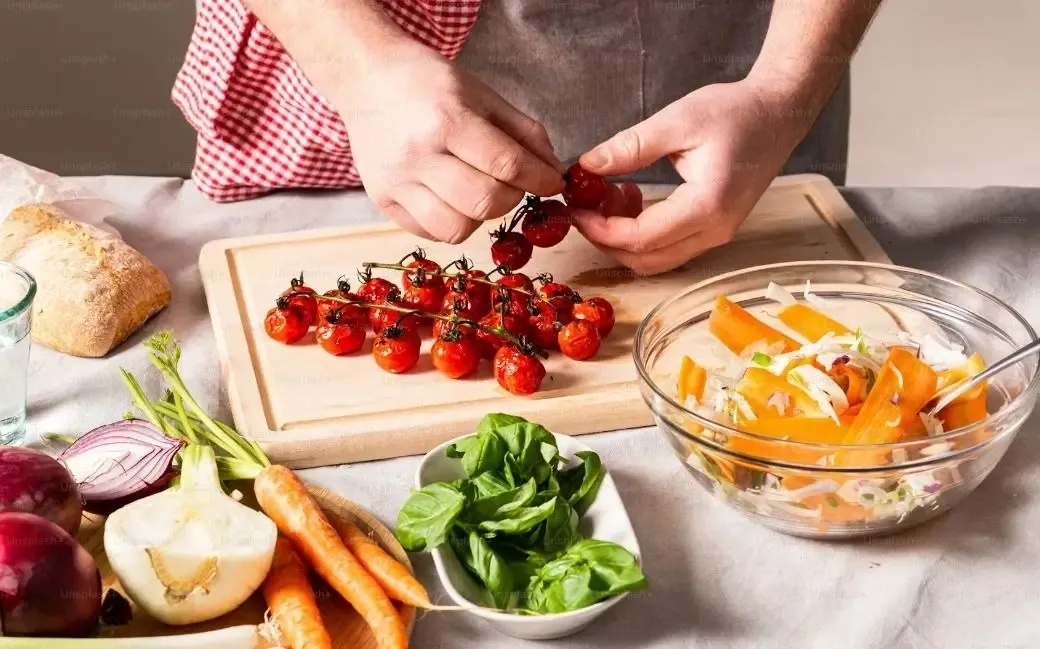
Healthy food swaps to cut calories work best when they do not make your meals feel smaller, drier, or less satisfying. The goal is not to remove every food you enjoy. Instead, make a few high-impact changes that lower calorie intake while keeping protein, fiber, volume, and flavor in the meal.
Quick Take
- Small swaps in milk, drinks, dressings, snacks, meat cuts, and cooking methods can reduce calories without changing your entire diet.
- Foods higher in water, fiber, and protein tend to support fullness better than calorie-dense add-ons.
- Air-popped popcorn, vegetables, lean proteins, and unsweetened drinks are simple places to start.
- Nutrition labels still matter because “low-fat” and “light” products are not automatically better choices.
Why Healthy Food Swaps to Cut Calories Actually Work
Calorie reduction gets harder when it depends on willpower alone. A better approach is to adjust the foods you already eat so the lower-calorie version still feels normal. That might mean changing the milk in your coffee, using a leaner cut of meat, or replacing a creamy dressing with a brighter, vinegar-based option.
The strongest swaps usually reduce added fat, added sugar, or liquid calories while keeping the meal’s structure intact. They also make room for lower-energy-density foods, such as vegetables, fruit, broth-based soups, and whole grains. The CDC notes that the water and fiber in fruits and vegetables can add volume with fewer calories, which is exactly the advantage you want when dieting.
Use the swaps below as options, not rules. If one change feels easy, start there. When a swap makes your diet less satisfying, adjust it instead of forcing it.
1. Choose Lower-Fat Dairy When It Fits the Meal
Switching from whole milk to fat-free or low-fat milk can save calories while keeping protein, calcium, and other key nutrients. According to USDA FoodData Central, plain dairy products can vary meaningfully in calories depending on fat content, even when serving size looks identical.
This is one of the easiest healthy food swaps to cut calories because it targets foods many people use daily: coffee, cereal, smoothies, oatmeal, and yogurt bowls. If fat-free milk feels too thin, try 1% milk first. You still reduce calories compared with whole milk, but the texture may be more satisfying.
Try it: Use fat-free or low-fat milk in coffee and smoothies. Choose plain Greek yogurt instead of sweetened full-fat yogurt when you want more protein with fewer added sugars. For more protein-focused meal ideas, BeeFit’s guide to protein after 40 explains how to keep meals practical without relying on supplements.
2. Add Vegetables Before You Remove Carbs
Many people begin dieting by cutting rice, pasta, bread, or potatoes. Sometimes that helps. Often, it just makes meals feel incomplete. A better first step is to add non-starchy vegetables before reducing the rest of the plate.
Vegetables add volume, chewing time, water, fiber, and micronutrients for relatively few calories. That does not mean vegetables magically cause fat loss. Weight loss still depends on overall calorie balance. Even so, adding vegetables can make a moderate calorie deficit easier to maintain because the meal looks and feels more substantial.
Try it: Fill half your plate with salad greens, broccoli, zucchini, peppers, mushrooms, green beans, or roasted cauliflower. Add spinach to eggs, extra vegetables to soups, and chopped peppers or onions to taco meat. If you are reducing added sugar at the same time, BeeFit’s eat less sugar challenge gives realistic drink, snack, and meal ideas.
3. Swap Chips for Air-Popped Popcorn
Air-popped popcorn is a useful snack because it is crunchy, high-volume, and made from a whole grain. Three cups can feel like a real bowl of food. The same calories in chips may disappear in a few handfuls.
The important detail is preparation. Air-popped popcorn is very different from movie-theater popcorn or microwave bags loaded with butter-flavored oil. Once oil, butter, caramel, or heavy toppings enter the picture, the calorie advantage shrinks quickly.
Try it: Season plain popcorn with nutritional yeast, smoked paprika, chili powder, cinnamon, garlic powder, or a small amount of grated parmesan. If you want fat for flavor, measure it instead of pouring freely. A teaspoon of olive oil goes much further when tossed well.
4. Pick Leaner Meat Without Giving Up Protein
Leaner cuts of meat can make a noticeable calorie difference while still giving you a satisfying serving of protein. Rib eye, regular ground beef, sausage, and skin-on poultry tend to bring more fat along with the protein. Sirloin, tenderloin, top round, 90% lean ground beef, turkey breast, chicken breast, and pork tenderloin are usually leaner options.
This swap is especially helpful if you eat meat often. You do not need to avoid higher-fat cuts forever. However, using leaner proteins as your default makes room for calories elsewhere in the meal, such as potatoes, rice, avocado, olive oil, or a dessert you actually want.
Try it: Look for words like “loin,” “round,” and “lean” on packages. Drain cooked ground meat when appropriate, trim visible fat, and use marinades, spice rubs, salsa, mustard, citrus, herbs, and vinegar to keep lean proteins flavorful. BeeFit’s high-protein meal plan offers more examples of building meals around protein without making the diet feel narrow.
5. Replace Sugary Drinks to Cut Calories
Drinks are one of the cleanest healthy food swaps to cut calories because they often add energy without making the meal more filling. Soda, sweet tea, juice, sports drinks, cocktails, and flavored coffee drinks can raise daily calories quickly.
The evidence on liquid calories and fullness is more nuanced than the simple claim that “liquids never satisfy.” Some soups and thicker drinks may support fullness. Still, a USDA Nutrition Evidence Systematic Review found limited and mixed evidence overall. That is a good reason to be practical rather than extreme: if a drink adds many calories and does not reduce what you eat later, it is worth adjusting.
Try it: Rotate water, sparkling water, unsweetened iced tea, black coffee, or coffee with milk but no syrup. Add lemon, mint, cucumber, berries, or a splash of 100% juice if plain water feels boring. Choose whole fruit more often than juice because the fiber and chewing make it more satisfying.
6. Lighten Dressings, Sauces, and Cooking Fats to Cut Calories
Salads, grain bowls, sandwiches, and roasted vegetables can become much higher in calories once dressing, mayo, butter, oil, cheese, and creamy sauces are added casually. These ingredients are not “bad,” but they are calorie-dense and easy to underestimate.
Instead of removing flavor, shift the flavor base. Acid, herbs, spices, mustard, garlic, salsa, hot sauce, pickled vegetables, and citrus can make food taste brighter without needing large amounts of added fat.
Try it: Use vinaigrette, lemon juice, balsamic vinegar, salsa, or Greek-yogurt-based sauces. Ask for dressing on the side when eating out. At home, measure oil with a teaspoon until you can estimate portions accurately. For cooking, bake, grill, steam, roast, or air-fry more often than deep-frying. These methods reduce added fat while still allowing browning, crispness, and texture.
FAQ: Healthy Food Swaps to Cut Calories
Will these swaps make me hungry?
They should not if you keep protein, fiber, and meal volume high. Problems usually happen when people only remove calories without replacing fullness. Lean protein, vegetables, fruit, beans, potatoes, oats, yogurt, and popcorn can all help meals feel more complete.
Are low-fat foods always better?
No. Some low-fat packaged foods add sugar, starch, or extra ingredients to improve taste and texture. Compare calories, protein, fiber, added sugar, and serving size. Plain low-fat dairy, lean meats, vegetables, fruit, and whole grains are usually more reliable than highly processed “diet” products.
How many calories should I cut per day?
Many adults do well with a modest deficit rather than an aggressive one. The CDC emphasizes gradual, sustainable weight loss habits, including eating patterns, physical activity, sleep, and stress management. If you have a medical condition, a history of disordered eating, or take medications that affect appetite or blood sugar, get individualized guidance.
The Bottom Line
The best healthy food swaps to cut calories are the ones you can repeat without feeling like your diet got worse. Start with one daily habit: drinks, dressing, snacks, dairy, meat choices, or cooking method. Keep the meals you enjoy, then adjust the calorie-dense parts that do not add much fullness or satisfaction.
This article is for informational purposes only and is based on general nutrition guidance. It is not a substitute for professional medical advice, diagnosis, or personalized dietary planning. Consult a healthcare provider or registered dietitian before making significant dietary changes, especially if you have a medical condition, are pregnant, take medication, or have a history of disordered eating.
Discover more from BeeFit: Fitness & Wellness
Subscribe to get the latest posts sent to your email.
Share :