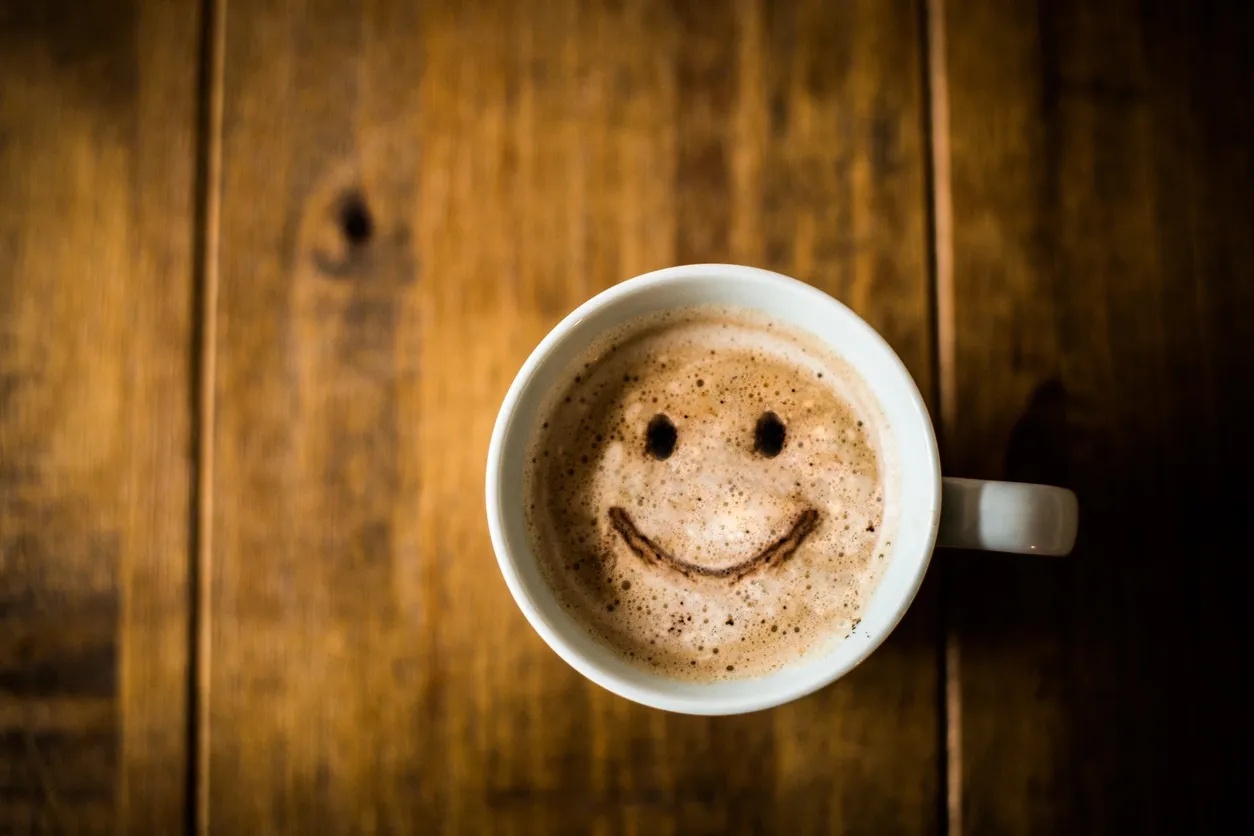
Caffeine and fat loss are often discussed as if coffee can melt body fat on its own. The research is more useful than that: caffeine can modestly increase energy expenditure, improve exercise performance, and raise fat oxidation during some workouts, but it works best as a small support inside a solid nutrition, training, and sleep plan.
Quick Take
- Caffeine may slightly increase resting energy expenditure, but the effect is temporary and varies by person.
- Pre-workout caffeine can increase fat oxidation during submaximal exercise, especially when the dose and timing are right.
- Caffeine and fat loss should not be treated as a standalone strategy; calorie intake, protein, training, and sleep still matter more.
- A moderate dose 30–60 minutes before training is usually more useful than taking more caffeine throughout the day.
- Most healthy adults should stay near or below 400 mg of caffeine daily, and some people need less.
What Caffeine Actually Does in the Body
Caffeine is a stimulant. It blocks adenosine receptors in the brain, which is one reason you feel more alert after coffee. It can also increase nervous system activity and catecholamines such as epinephrine, which helps explain its effects on effort, perceived fatigue, and fuel use during exercise.
That does not mean caffeine directly causes fat loss. Losing body fat still requires an energy deficit over time. Caffeine may make that process slightly easier for some people by helping them train harder, feel less tired, or burn a small number of extra calories. The effect is real, but it is not large enough to overcome overeating, poor sleep, or inconsistent training.
This distinction matters because caffeine and fat loss can be helpful when framed correctly. Think of caffeine as a performance and adherence tool, not a metabolic shortcut.
Caffeine and Fat Loss: Metabolism, Thermogenesis, and Reality
Caffeine can increase resting energy expenditure through thermogenesis, meaning your body temporarily produces and uses slightly more energy. Older controlled studies found short-term increases in metabolic rate after caffeine intake, and later reviews have also reported increased fat metabolism under certain conditions.
The practical catch is size and duration. A small rise in calorie burn over a few hours can contribute to a fat-loss plan, but it will not replace the fundamentals. Adding sugar, syrups, heavy cream, or high-calorie coffee drinks can easily erase any modest metabolic benefit.
A better use is simple: keep caffeine mostly low-calorie, take it when it helps your energy or training, and avoid relying on it to compensate for a diet that does not support your goal. If appetite and muscle retention are bigger challenges for you, BeeFit’s high-protein meal plan for fat loss and muscle gain is a more important starting point than another cup of coffee.
Why Caffeine Can Help You Burn More Fat During Exercise
During exercise, caffeine can increase the availability and use of fatty acids for fuel. A systematic review and meta-analysis on caffeine and fat metabolism found that caffeine increased fat metabolism at rest and during exercise, although results differed by context, dose, training status, and study design.
Another meta-analysis on caffeine intake and fat oxidation during fed-state exercise suggests caffeine can increase fat oxidation during submaximal aerobic exercise even when the person has eaten within the previous few hours. That is useful if you train after breakfast, lunch, or a pre-workout snack rather than fully fasted.
Still, burning more fat during a workout is not the same as losing more body fat automatically. Your total daily and weekly energy balance determines whether stored body fat decreases. Caffeine may shift fuel use during the session, but your overall plan decides the outcome.
For most people, the best pairing is caffeine plus repeatable training. If cardio is part of your plan, BeeFit’s guide to HIIT vs LISS for fat loss can help you choose the style you can recover from and repeat consistently.
Timing and Dose: How to Use Caffeine Without Overdoing It
For training, caffeine usually works best when taken about 30–60 minutes before exercise. The International Society of Sports Nutrition notes that caffeine consistently improves exercise performance for many people, often at doses around 3–6 mg per kilogram of body mass, although lower doses can still help sensitive users. Their position stand on caffeine and exercise performance is a useful overview of the evidence.
In everyday terms, many people do well with 100–200 mg before training, roughly the amount in one to two cups of brewed coffee depending on strength and serving size. Smaller people, caffeine-sensitive individuals, and those who train later in the day may need less.
More is not automatically better. Higher doses can increase jitters, anxiety, gastrointestinal discomfort, elevated heart rate, and sleep disruption. The FDA notes that about 400 mg per day is not generally associated with dangerous effects for most healthy adults, but individual tolerance varies.
If you are using caffeine and fat loss as part of a plan, protect sleep first. A late-afternoon energy boost can become a poor night of sleep, which can increase hunger, reduce training quality, and make fat loss harder to sustain. For workout meals that support energy without depending entirely on stimulants, see BeeFit’s guide to pre- and post-workout meals.
Does Caffeine Suppress Appetite?
Caffeine may reduce appetite briefly for some people, but the effect is inconsistent. Some people feel less hungry after coffee. Others feel no change, become anxious, or end up hungrier later if caffeine replaces a proper meal.
Using coffee to repeatedly delay meals can backfire if it leads to low protein intake, poor training fuel, or evening overeating. Appetite control is usually better supported by protein, fiber-rich carbohydrates, minimally processed foods, hydration, and regular meal structure.
That does not mean you need to force breakfast if you genuinely feel better training after coffee. It means caffeine should not be your main appetite-management strategy. If you are over 40, dieting aggressively, or trying to protect muscle while losing fat, BeeFit’s protein after 40 guide explains why adequate protein becomes even more important.
Coffee, Pills, Energy Drinks, and Tolerance
The active compound is caffeine, so coffee, tea, capsules, and some pre-workouts can all produce similar stimulant effects when the dose is matched. The difference is what comes with it. Coffee and tea provide other plant compounds. Capsules make dosing precise. Energy drinks may add sugar, large caffeine servings, or extra stimulants that are not necessary for fat loss.
Tolerance also matters. Habitual caffeine users may feel less of a noticeable buzz, but performance benefits can still occur. If you need more and more caffeine just to feel normal, it may be worth reducing intake gradually rather than adding another serving.
People who are pregnant, trying to become pregnant, breastfeeding, managing high blood pressure, heart rhythm issues, anxiety, panic symptoms, reflux, insomnia, or stimulant-sensitive conditions should ask a qualified healthcare professional about safe intake. Teens and children should be especially cautious with concentrated caffeine products.
FAQ
Does decaf coffee help with fat loss?
Not in the same way. Decaf contains only small amounts of caffeine, so it is unlikely to meaningfully increase energy expenditure or exercise fat oxidation. It can still be useful if it helps you keep a low-calorie coffee routine without affecting sleep.
Can caffeine target belly fat?
No. Caffeine can influence overall energy use and exercise performance, but it cannot choose where fat comes off. Reducing abdominal fat requires consistent fat loss over time through nutrition, training, recovery, and adherence.
Should I take caffeine before every workout?
Not necessarily. Use it when it improves performance and does not harm sleep, anxiety, digestion, or blood pressure. Some people save caffeine for harder sessions and train without it on easier days.
The Bottom Line
Caffeine and fat loss have a real but modest relationship. Caffeine can temporarily raise energy expenditure, increase fat oxidation during some workouts, and improve training performance. Those benefits are most useful when your calorie intake, protein, exercise plan, and sleep are already moving in the right direction.
Use the smallest effective dose, time it before training when it helps, keep it mostly low-calorie, and stop early enough that sleep stays protected. That is how caffeine becomes a practical tool instead of a habit that quietly works against your results.
This article is for informational purposes only and is not a substitute for professional medical advice, diagnosis, or treatment. If you have a medical condition, take prescription medication, are pregnant or breastfeeding, or experience side effects from caffeine, consult a qualified healthcare professional before changing your caffeine intake.
Discover more from BeeFit: Fitness & Wellness
Subscribe to get the latest posts sent to your email.
Share :