Protein for Muscle Growth: How Much You Need, What to Eat, and How to Make It Work
Protein for muscle growth is not just a supplement conversation. It is one of the main links between the work you do in the gym and the results you see in your body. Strength training creates the reason for your muscles to adapt, but protein provides the amino acids your body uses to repair, rebuild, and support that adaptation.
That does not mean you need to eat like a bodybuilder or carry protein powder everywhere. It means your meals should match your training. If you are lifting, trying to lose fat without losing muscle, using GLP-1 medication, training after 40, or coming back after a long break, protein becomes one of the highest-leverage nutrition habits you can fix.
Quick Take
- Protein helps repair and build muscle after resistance training, but it works best when paired with progressive strength training.
- Most active adults trying to build or maintain muscle do well around 1.6–2.2 g/kg/day, depending on body size, age, calories, training, and health status.
- A practical starting point is 25–40 g of protein at each main meal, then adjusting based on your daily target.
- Whey, eggs, Greek yogurt, cottage cheese, poultry, fish, lean meat, soy, tofu, tempeh, beans, and lentils can all play a role.
- Protein timing matters, but total daily protein and consistency matter more than racing to a shake immediately after training.
- For fat loss, protein helps protect muscle, manage hunger, and make a calorie deficit easier to sustain.
The real advantage is not perfection. It is having enough protein in enough meals, often enough, to support the body you are trying to build.
Why Protein Matters for Muscle
For most readers, protein for muscle growth should be treated as a daily structure, not a single post-workout decision.
Muscle growth is a response to stress and recovery. When you lift weights, your muscles experience tension. Your body then repairs and reinforces tissue so it can better handle that stress next time. Protein supplies the amino acids needed for that repair process.
A useful way to think about it is this: training is the signal, protein is the material, and recovery is the construction window. If you train hard but under-eat protein, the signal is there but the material is limited. If you eat protein but never challenge your muscles, the material is available but the body has little reason to build new tissue.
That is why protein works best as part of a full system:
- Progressive strength training
- Enough total protein
- Enough total calories for the goal
- Carbohydrates to fuel hard training
- Sleep and recovery
- Consistency across weeks and months
The International Society of Sports Nutrition position stand says that an overall intake of about 1.4–2.0 g/kg/day is sufficient for most exercising individuals, while higher intakes may be useful during calorie restriction: ISSN protein and exercise position stand.
A large resistance-training meta-analysis also found that protein supplementation improved gains in muscle strength and size, with benefits leveling off around 1.6 g/kg/day for fat-free mass gains in many healthy adults: protein and resistance training meta-analysis.
For the training side of the equation, start with BeeFit’s guide to Strength Training After 40.
How Much Protein for Muscle Growth Do You Need?
Protein needs are personal, but most active adults do not need to guess blindly. A useful range for muscle gain and muscle maintenance is usually around 1.6–2.2 g/kg/day. People in a calorie deficit, older adults, hard-training lifters, or those trying to preserve muscle during weight loss may benefit from the higher end.
Use the table below as a starting point, not a medical prescription.
| Body weight | Moderate target: 1.6 g/kg/day | Higher target: 2.0 g/kg/day |
|---|---|---|
| 130 lb / 59 kg | 95 g/day | 118 g/day |
| 150 lb / 68 kg | 109 g/day | 136 g/day |
| 170 lb / 77 kg | 123 g/day | 154 g/day |
| 190 lb / 86 kg | 138 g/day | 172 g/day |
| 210 lb / 95 kg | 152 g/day | 190 g/day |
| 230 lb / 104 kg | 166 g/day | 208 g/day |
These numbers are easier to reach when protein is spread across the day. Many people eat very little protein at breakfast, a moderate amount at lunch, and then try to recover the whole target at dinner. That approach can work mathematically, but it often feels harder in real life.
A better structure for many people is three protein-forward meals and, when needed, one protein-rich snack. For example, someone aiming for 140 g per day might use 35 g at breakfast, 40 g at lunch, 40 g at dinner, and 25 g from a snack. The exact numbers do not need to be perfect; the pattern just needs to be repeatable.
Protein Quality: Complete, Incomplete, and Practical
Not all protein sources are identical. The most important difference is amino acid quality. Complete proteins contain all nine essential amino acids, including leucine, which plays an important role in muscle protein synthesis.
Animal proteins such as eggs, dairy, poultry, fish, lean meat, whey, and casein are complete proteins. Soy foods such as tofu, tempeh, edamame, soy milk, and soy protein isolate are also complete plant-based options.
Other plant proteins, such as beans, lentils, grains, nuts, and seeds, can still be valuable. They provide fiber, minerals, carbohydrates, and plant compounds, but they may be lower in one or more essential amino acids. That does not make them bad. It just means plant-based lifters should be more intentional with portions, variety, and protein distribution.
A simple rule works well: if you eat mostly animal or soy-based proteins, hitting your target is usually straightforward. If you eat mostly plant-based meals, plan for slightly larger servings, combine protein sources across the day, and consider a high-quality plant protein powder if needed.
Best Protein Foods for Muscle Growth
The best protein foods are the ones you can eat consistently, digest comfortably, and build meals around without making your diet feel like a chore.
| Food | Approximate protein | Best use |
|---|---|---|
| Eggs | 6 g per large egg | Breakfast, snacks, frittatas, bowls |
| Greek yogurt | 15–25 g per serving | Breakfast, snacks, smoothies |
| Cottage cheese | 20–30 g per cup | Snacks, breakfast, high-protein bowls |
| Chicken or turkey | 25–35 g per serving | Lunch, dinner, meal prep |
| Salmon or tuna | 25–35 g per serving | Dinner, salads, rice bowls |
| Lean beef | 25–35 g per serving | Dinner, chili, bowls |
| Tofu | 15–25 g per serving | Stir-fries, bowls, scrambles |
| Tempeh | 18–30 g per serving | Plant-based meal prep |
| Lentils | 15–18 g per cooked cup | Soups, bowls, salads |
| Beans | 12–16 g per cooked cup | Bowls, chili, Mediterranean meals |
| Whey protein | 20–30 g per scoop | Quick protein, post-workout, smoothies |
| Soy or pea protein | 20–30 g per scoop | Dairy-free protein support |
The easiest way to improve your diet is not to memorize a giant food list. Build every main meal around one protein anchor, then add fiber-rich carbs, vegetables or fruit, and fats.
Whey, Casein, Collagen, and Plant Protein
Protein powders are not required, but they can be useful when food alone is inconvenient. They are especially helpful for people who train early, struggle with appetite, commute, travel, or need a simple way to raise daily intake.
Whey protein is one of the most efficient options because it is complete, leucine-rich, and easy to mix. Whey isolate is usually lower in lactose and may be easier for some people to tolerate. Casein digests more slowly and can be useful at night or between long gaps in meals.
Plant protein can work very well, especially soy isolate or a rice-pea blend. Pea protein alone can still be useful, but blends often improve the amino acid profile and texture.
Collagen deserves a separate note. Collagen is protein, but it is not a complete muscle-building protein. It is low in some essential amino acids and should not replace whey, eggs, dairy, fish, lean meat, soy, tofu, or other complete proteins when the goal is muscle growth. Collagen may support connective tissue, skin, joints, tendons, or ligaments, but it should be treated as an add-on rather than the foundation.
For more detail on recovery supplements, see Muscle Recovery Supplements.
Does Protein Timing Matter?
Protein timing is useful, but it is not the main event. Total daily intake matters more than the exact minute you drink a shake.
The ISSN nutrient-timing position stand notes that timing-related protein considerations are generally lower priority than eating enough total protein each day: ISSN nutrient timing position stand.
That said, timing can still help in real life. If you train fasted, go many hours without eating, or struggle to hit your daily target, a protein-rich meal or shake after training is practical. If you already ate a protein-rich meal within a few hours before training, the post-workout window is less urgent.
A strong day might look like this:
| Time | Protein structure |
|---|---|
| Breakfast | 25–40 g protein |
| Lunch | 30–45 g protein |
| Post-workout or snack | 20–35 g protein |
| Dinner | 30–45 g protein |
This approach gives your body multiple opportunities across the day to receive amino acids. It also makes the target feel more manageable than trying to eat most of your protein in one giant meal.
Protein for Muscle Growth After 40
Protein becomes more important after 40 because muscle maintenance becomes less automatic. People often move less, recover more slowly, sleep worse, and eat less protein earlier in the day. Over time, that combination can make strength and muscle harder to maintain.
The good news is that muscle can still be built after 40. The process may require more consistency and better recovery, but it is not closed off. Strength training gives the body the signal to keep and build muscle, while protein helps support the repair process.
For adults over 40, the basics matter more than novelty:
- Lift 2–4 times per week.
- Eat protein at each main meal.
- Use enough total calories to support the goal.
- Avoid crash dieting.
- Sleep as consistently as possible.
- Progress gradually instead of chasing punishment.
This is also where protein connects directly to fat loss. Losing weight is not the same as improving body composition. If calories drop but protein and lifting disappear, some of the weight lost may come from lean tissue. If protein is high enough and strength training stays in place, fat loss has a better chance of moving in the right direction.
For the fat-loss side of the strategy, read Fat Loss After 40.
Protein During Fat Loss, GLP-1 Use, and Body Recomposition
During fat loss, protein for muscle growth becomes even more important because the body needs a reason and the raw materials to keep lean tissue.
Protein is especially valuable when calories are lower. It helps with fullness, supports muscle retention, and gives meals more structure. That is why high-protein meals usually work better than snack-style dieting built around tiny portions and low-calorie foods that do not satisfy.
During body recomposition, protein becomes the bridge between fat loss and muscle gain. The strategy is straightforward: lift progressively, eat enough protein, avoid an extreme calorie deficit, and track more than the scale. Waist measurement, photos, strength, clothes fit, and energy are often more useful than daily weight alone.
Protein is also important for people using GLP-1 medications. Appetite can drop sharply, and normal meals may feel too large. When that happens, protein intake can accidentally fall for weeks or months. Smaller protein-forward meals, shakes, Greek yogurt, eggs, fish, tofu, cottage cheese, and lean proteins can help protect muscle while weight comes down.
For that specific situation, read GLP-1 Muscle Loss.
Simple Protein Meal Templates
Meal templates are not meant to look perfect. They are meant to reduce decision fatigue, make protein easier to hit, and give you a structure you can repeat on busy days.
| Meal | Simple template |
|---|---|
| Breakfast | Eggs, Greek yogurt, oats, berries |
| Breakfast | Protein smoothie with whey or plant protein, milk or soy milk, banana, and peanut butter |
| Lunch | Chicken, rice, vegetables, olive oil |
| Lunch | Tuna, white beans, greens, lemon, olive oil |
| Dinner | Salmon, potatoes, greens, avocado |
| Dinner | Tofu or tempeh, rice, vegetables, sauce |
| Snack | Cottage cheese with fruit |
| Snack | Greek yogurt with berries |
| Snack | Protein shake plus a piece of fruit |
The best template is the one that works on your real schedule. Use these templates as flexible starting points, not strict meal rules. On rushed mornings, Greek yogurt, a smoothie, or boiled eggs can cover breakfast quickly. For unpredictable lunches, keep tuna packets, cottage cheese, protein powder, or ready-to-eat tofu available. At dinner, build the plate around a protein source first, then add carbs, vegetables, and fats.
Common Protein Mistakes
Breakfast gap: starting too low
A coffee and a piece of toast may be easy, but it does not do much for muscle protein. Adding eggs, Greek yogurt, cottage cheese, tofu scramble, or a protein smoothie can change the entire day.
Powder trap: relying on shakes instead of meals
Protein powder is useful, but whole foods bring more than amino acids. They also provide minerals, fats, fiber, and satisfaction. Use powder as support, not as the whole plan.
Collagen confusion: counting it as your main protein
Collagen has a role, but not as the foundation for muscle growth. If you use it, pair it with enough complete protein across the day.
Crash-diet mistake: cutting calories too hard
An aggressive deficit can reduce training quality, increase hunger, worsen sleep, and make muscle retention harder. A moderate approach usually works better.
Timing obsession: worrying about minutes instead of totals
A post-workout shake is fine, but it cannot rescue a low-protein day. Hit the daily target first.
Plant-based planning mistake: assuming all proteins are equal
Plant-based muscle gain works, but it requires more intention. Use soy, tofu, tempeh, legumes, grains, and plant protein powders strategically.
Protein for Muscle Growth FAQ
How much protein do I need to build muscle?
Many active adults do well around 1.6–2.2 g/kg/day. Some people need less, while others may benefit from the higher end during fat loss, hard training blocks, or later adulthood.
Is 100 grams of protein enough?
It depends on your body size and goal. For a smaller active person, 100 g may be enough. For a larger lifter trying to build or preserve muscle, it may be too low.
Is whey protein necessary?
No. Whey is convenient and effective, but it is not required. Eggs, dairy, poultry, fish, lean meat, soy, tofu, tempeh, and well-planned plant proteins can also work.
Is collagen good for muscle growth?
Collagen should not be your main muscle-building protein. It is better viewed as connective-tissue support because it is not a complete protein.
Should I eat protein before or after a workout?
Either can work. If you have not eaten for several hours, protein after training is useful. If you already ate a protein-rich meal before training, timing is less urgent.
Can I build muscle with plant protein?
Yes. Prioritize total protein, use enough calories, train progressively, and include higher-quality plant proteins such as soy, tofu, tempeh, pea protein, rice-pea blends, beans, lentils, and grains.
Can too much protein be harmful?
Many healthy adults tolerate higher-protein diets well. However, people with kidney disease or certain medical conditions should follow medical guidance.
Do older adults need more protein?
Many older adults benefit from paying closer attention to protein because muscle maintenance becomes more important with age. The right target depends on health status, training, appetite, and medical context.
Bottom Line on Protein for Muscle Growth
Protein for muscle growth is not a hack. It is a foundation.
If you want more muscle, better recovery, stronger training, or better body composition, start by making protein easier to hit every day. For many active adults, a practical target is around 1.6 g/kg/day, then adjusting up or down based on progress, appetite, training, fat-loss goals, and health status.
The formula is not complicated: lift consistently, eat enough protein, sleep enough to recover, and repeat the process long enough for your body to adapt.
That is how protein becomes more than a macro.
It becomes part of the system that helps your training actually show.
For a personalized protein, meal, and training plan based on your goals, schedule, food preferences, and equipment, try the BeeFit AI Calculator.
Related BeeFit Guides
- Strength Training After 40
- Fat Loss After 40
- GLP-1 Muscle Loss
- Muscle Recovery Supplements
- Oatmeal vs Eggs
- BeeFit AI Calculator
Disclaimer
This article is for informational purposes only and is not medical or nutrition advice. Protein needs vary based on age, body size, training, calorie intake, kidney health, medical conditions, medications, pregnancy status, digestion, and personal goals. Talk with a qualified healthcare professional or registered dietitian before making major diet changes, especially if you have kidney disease, diabetes, digestive disease, a history of disordered eating, or a chronic health condition.
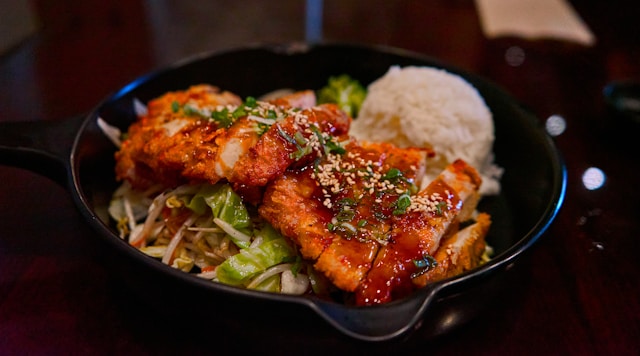
Photo: Jonathan Majam / Unsplash