Supplements That Actually Matter: What to Take, What to Skip, and What to Test First
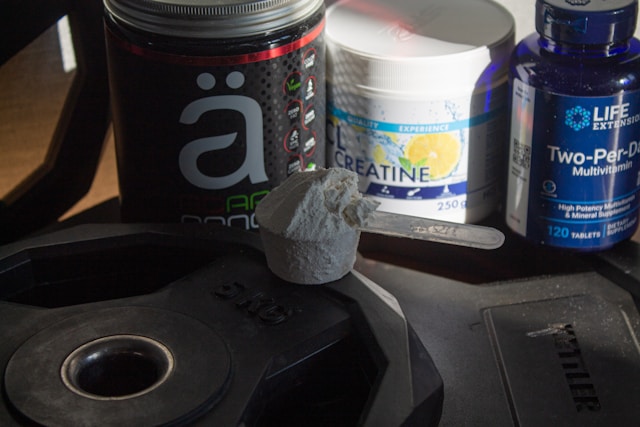
Supplements that actually matter are the ones that solve a real problem, not the ones with the loudest marketing. They help with protein intake, poor recovery, limited sun exposure, low omega-3 intake, heavy sweating, nutrient gaps, or a specific performance goal.
The supplement industry sells the fantasy that there is always one more capsule, powder, or “stack” between you and the body you want. BeeFit’s view is different. Most people do not need a giant supplement cabinet. They need stronger basics, a short list of evidence-based tools, and a better way to decide what is worth taking.
Quick Take
- Supplements should fill gaps, not replace food, training, sleep, or medical care.
- Protein powder matters when it helps you reach your protein target more consistently.
- Creatine monohydrate is one of the most useful fitness supplements for strength, power, and lean-mass support.
- Vitamin D, iron, B12, magnesium, and omega-3s can matter when intake or blood levels are low, but guessing is not always smart.
- Collagen can be useful for connective tissue, but it should not replace complete protein.
- Many “fat burners,” detox products, testosterone boosters, and overbuilt blends are more marketing than necessity.
- Third-party testing matters because supplements are regulated differently than drugs.
The goal is not to take more supplements. The goal is to know which ones deserve a place in your routine.
Why Supplements That Actually Matter Start With Context
Supplement advice is confusing because the incentives are messy. A company can make a product look scientific by using impressive labels, complicated blends, and big promises. That does not mean the formula is useful for your actual body.
The FDA regulates dietary supplements under a different framework than conventional foods and drugs, which means supplement quality, claims, and label accuracy deserve extra attention: FDA dietary supplement overview.
The NIH Office of Dietary Supplements also emphasizes that supplements should not replace medical advice and that people should discuss supplement use with healthcare providers, especially when they have medical conditions or take medications: NIH dietary supplements: what you need to know.
That is why a good supplement strategy starts with better questions:
- What problem am I trying to solve?
- Is the problem actually a supplement problem?
- Can food, sleep, training, or testing solve it first?
- Is there evidence for this ingredient?
- Is the dose clear?
- Is the product third-party tested?
- Could it interact with medication or a health condition?
A supplement should earn its place.
Supplements That Actually Matter: The BeeFit Hierarchy
Before buying anything, think in layers.
| Level | Priority | What it means |
|---|---|---|
| Foundation | Food, training, sleep, hydration | The basics that make every supplement work better |
| Gap fillers | Protein, vitamin D, B12, iron, magnesium | Useful when intake, lifestyle, or bloodwork shows a real need |
| Performance tools | Creatine, caffeine, electrolytes | Helpful for specific training or recovery goals |
| Targeted support | Omega-3, collagen, tart cherry, curcumin | Useful in the right context, but not mandatory for everyone |
| Hype zone | Fat burners, detox teas, most testosterone boosters | Usually low priority, overmarketed, or risky |
The supplements that actually matter are the ones that connect to a real gap, a clear goal, or a measurable need. This hierarchy matters because many people begin with the least useful layer. Fat burners come before protein, testosterone boosters come before sleep, and expensive greens powders come before actual vegetables.
That is backwards. Start with the foundation, then add only what solves a real problem. Start with the foundation. Then add only what solves a real problem.
1. Protein Powder: Useful When Food Is Not Enough
Protein powder is not magic. It is powdered food convenience.
It matters when it helps you consistently hit your protein target. That is especially useful for people who lift weights, are trying to lose fat without losing muscle, struggle with breakfast, use GLP-1 medications, travel often, or have low appetite.
Good options include:
- Whey protein
- Whey isolate
- Casein protein
- Soy protein
- Pea protein
- Rice-pea blends
Whey is popular because it is complete, leucine-rich, and easy to mix. Whey isolate may be easier for people who are sensitive to lactose. Plant-based lifters can still build muscle, but they should choose higher-quality plant proteins and pay attention to total daily intake.
Protein powder is not required if you already eat enough protein from food. However, it can make the plan easier.
For the full protein strategy, read BeeFit’s pillar guide to Protein for Muscle Growth.
2. Creatine Monohydrate: The Strength Supplement That Earned Its Reputation
Creatine monohydrate is one of the most studied and useful supplements for strength and power training.
It helps your muscles regenerate ATP during short, intense efforts such as lifting, sprinting, jumping, and repeated hard sets. For lifters, that can support training performance over time, which may help strength and muscle gain when paired with progressive training.
The International Society of Sports Nutrition position stand describes creatine monohydrate as effective and well-supported for exercise, sport, and some health contexts: ISSN creatine position stand.
A simple routine works for most healthy adults:
- 3–5 g creatine monohydrate daily
- Take it any time of day
- Mix with water, coffee, smoothie, or a meal
- Skip complicated blends unless there is a clear reason
Loading is optional. Some people take 20 g/day for 5–7 days to saturate stores faster, but many people simply take 3–5 g daily and let levels build gradually.
People with kidney disease or significant medical conditions should talk with a healthcare provider before using creatine.
3. Vitamin D: Important, but Best Guided by Testing
Vitamin D supports bone health, immune function, and muscle function. It can matter when sun exposure is limited, intake is low, or blood levels are low.
However, vitamin D is not a supplement to megadose blindly. More is not always better. The better strategy is to ask for a 25-hydroxy vitamin D blood test if you suspect low levels, then supplement based on your clinician’s guidance.
Useful sources include:
- Sunlight exposure
- Fatty fish
- Egg yolks
- Fortified dairy
- Fortified plant milk
- Supplements when needed
The NIH provides detailed guidance on vitamin D intake, sources, deficiency, excess, and interactions: NIH vitamin D fact sheet.
Vitamin D can be one of the supplements that actually matter, but only when it addresses a real gap.
4. Omega-3s: Useful if Fish Intake Is Low
Omega-3 fatty acids are important fats involved in cell membranes and many body processes. EPA and DHA are the forms most associated with fatty fish and fish oil.
If you eat fatty fish such as salmon, sardines, trout, or mackerel two or more times per week, you may not need an omega-3 supplement. If you rarely eat fish, an EPA/DHA supplement may be worth discussing with a healthcare professional.
Options include:
- Fish oil
- Krill oil
- Algae oil for plant-based EPA/DHA support
The NIH notes that consuming EPA and DHA directly from foods or supplements is a practical way to increase levels of these fatty acids: NIH omega-3 fact sheet.
Omega-3 supplements can interact with medications and may not be appropriate for everyone, especially at high doses. If you take blood thinners or have a bleeding disorder, ask your clinician first.
5. Magnesium: Helpful When Intake Is Low
Magnesium is involved in hundreds of enzyme systems, including those related to muscle and nerve function, blood glucose control, blood pressure regulation, and protein synthesis.
That does not make magnesium a sedative or a magic sleep pill. It means magnesium is a basic mineral that many people under-eat when their diet is low in nuts, seeds, beans, whole grains, and leafy greens.
Food sources include:
- Pumpkin seeds
- Almonds
- Cashews
- Black beans
- Spinach
- Dark chocolate
- Whole grains
- Avocado
Supplement forms vary. Magnesium glycinate and citrate are commonly used, while magnesium oxide may be less tolerated by some people. Too much magnesium from supplements can cause diarrhea, and people with kidney disease should not supplement without medical guidance.
The NIH magnesium fact sheet explains recommended intakes, sources, deficiency, excess, and interactions: NIH magnesium fact sheet.
6. Collagen: Useful for Connective Tissue, Not as Your Main Protein
Collagen is often marketed as a beauty supplement, but its most realistic role is connective-tissue support.
Peptide forms may help some people with skin hydration, joint comfort, tendons, ligaments, and connective tissue. However, collagen is not a complete protein and should not replace whey, eggs, dairy, fish, soy, tofu, or other complete proteins when the goal is muscle growth.
A practical approach:
- Use complete protein as the foundation.
- Add collagen only if you want targeted connective-tissue support.
- Pair collagen with vitamin C or a vitamin-C-rich meal.
- Give it at least 8–12 weeks before judging results.
Collagen is optional. It can be useful, but it is not the base of a muscle-building nutrition plan. For more detail, read Collagen for Women and Muscle Recovery Supplements.
7. Electrolytes: Useful for Sweat, Heat, and Long Sessions
Electrolytes matter when sweat losses are high.
For short indoor workouts, water is usually enough. For long sessions, hot weather, heavy sweating, rucking, endurance training, sauna use, or low-carb dieting, sodium and fluid can matter more.
Electrolytes are most useful when they match the situation:
| Situation | What usually works |
|---|---|
| Short easy workout | Water |
| Hot-weather walk or ruck | Water plus sodium |
| Long endurance session | Sodium plus carbohydrates |
| Heavy sweater | Higher-sodium electrolyte option |
| Fat-loss phase | Low-sugar electrolyte option if needed |
| Recovery after hard training | Protein, carbs, fluids, and electrolytes |
The mistake is treating every workout like an endurance event. Most people do not need a sports drink for a 35-minute easy lift. However, heavy sweaters and outdoor athletes may benefit from a smarter hydration plan.
8. Caffeine: Effective, but Easy to Overuse
Caffeine can improve alertness and exercise performance for some people. It is also cheap and easy to access.
That is the good news. The problem is that caffeine can quietly become a sleep debt tool. If you use it to push through poor sleep, your training may feel better today but worse over the week. Late caffeine can also reduce sleep quality, which then drives more caffeine use the next morning.
A practical routine:
- Use caffeine before hard training when it helps.
- Keep it earlier in the day.
- Avoid using it as a replacement for sleep.
- Consider lower doses instead of mega-stimulant pre-workouts.
- Skip it if it causes anxiety, racing heart, reflux, or insomnia.
Caffeine is useful when it supports performance. It becomes a problem when it masks recovery debt.
Supplements That Usually Matter Less Than Marketing Claims
Some products are not automatically useless, but they are usually low priority for most people.
| Supplement type | Why it is usually lower priority |
|---|---|
| Fat burners | Often stimulant-heavy and not a substitute for calorie control |
| Detox teas | Your liver and kidneys already handle detoxification |
| Testosterone boosters | Usually overmarketed unless correcting a real deficiency |
| BCAAs | Usually unnecessary if total protein is adequate |
| Greens powders | Can help fill gaps but do not replace vegetables |
| Proprietary blends | Doses are often unclear |
| “Hormone balance” blends | Claims are often vague or exaggerated |
If a product does not show the dose, does not explain the problem it solves, or promises dramatic results without changing behavior, be skeptical.
How to Build a Stack With Supplements That Actually Matter
A supplement stack should be small enough to understand.
Muscle growth
Useful basics:
- Protein powder if needed
- Creatine monohydrate
- Caffeine if tolerated
- Vitamin D if low
- Magnesium if intake is low
The foundation is still training, protein, calories, and sleep.
Fat loss
Useful basics:
- Protein powder if it improves protein consistency
- Creatine to support training performance
- Electrolytes if dieting, sweating, or training in heat
- Caffeine if it does not harm sleep
Fat burners are not the foundation. Protein, steps, strength training, sleep, and a manageable calorie deficit matter more.
GLP-1 muscle protection
Useful basics:
- Protein powder or ready-to-drink protein if appetite is low
- Creatine if tolerated and medically appropriate
- Electrolytes if intake is low or nausea affects hydration
- Multivitamin only if food intake is very limited and approved by a clinician
For more, read GLP-1 Muscle Loss.
Recovery
Useful basics:
- Protein
- Creatine
- Omega-3 if fish intake is low
- Magnesium if intake is low
- Collagen plus vitamin C for connective tissue support
- Tart cherry around hard blocks if soreness is a major issue
Recovery is not only a supplement issue. Sleep and training volume matter more.
Women over 40
Useful basics may include:
- Protein support
- Vitamin D if low
- Calcium from food or supplement if intake is inadequate
- Magnesium if intake is low
- Omega-3 if fish intake is low
- Collagen as optional connective-tissue support
This should be personalized around labs, diet, menopause stage, bone health, medications, and medical history. This is why supplements that actually matter should be chosen by goal, not by trend.
Supplements That Actually Matter: Safety Checklist
Before buying a supplement, run it through this checklist.
| Question | Why it matters |
|---|---|
| What problem does this solve? | Prevents buying random products |
| Is the dose clear? | Avoids underdosed blends |
| Is it third-party tested? | Helps reduce contamination and label-risk concerns |
| Does it interact with medication? | Important for safety |
| Is it appropriate for my condition? | Kidney disease, pregnancy, heart disease, and medications change the answer |
| Can food solve this first? | Often cheaper and safer |
| Am I expecting too much? | Supplements support the plan; they do not replace it |
Look for third-party testing when possible, especially if you are an athlete or take supplements regularly. Helpful labels include NSF Certified for Sport, Informed Sport, USP Verified, or similar quality programs.
Common Mistakes With Supplements That Actually Matter
Buying complexity before fixing basics
A complicated stack cannot overcome low protein, poor sleep, inconsistent training, or a chaotic diet.
Taking iron without testing
Iron can help if you are deficient, but unnecessary iron can be harmful. Test first.
Megadosing vitamin D
Vitamin D matters, but high doses should be guided by bloodwork and medical advice.
Using collagen as your main protein
Collagen is not a complete protein. Use it as an add-on, not the foundation.
Trusting proprietary blends
If the label hides exact doses, you cannot judge the formula well.
Chasing testosterone boosters
Low testosterone symptoms deserve testing and medical context. Most booster blends are not the answer.
Ignoring medication interactions
Omega-3s, magnesium, vitamin D, herbs, stimulants, and other supplements can interact with medications or medical conditions.
Supplements That Actually Matter FAQ
What are the supplements that actually matter most?
For many active adults, the most useful supplements are protein powder when food intake is low, creatine monohydrate, vitamin D if low, omega-3 if fish intake is low, magnesium if intake is low, electrolytes when sweat losses are high, and collagen for targeted connective-tissue support.
Do I need supplements to build muscle?
No. You need strength training, enough protein, enough calories, and recovery. Supplements can make the plan easier, but they are not required.
Is creatine safe?
Creatine monohydrate is one of the most studied sports supplements and is considered safe for many healthy adults when used appropriately. People with kidney disease or medical concerns should talk with a clinician first.
Should I take a multivitamin?
A multivitamin may help fill small gaps, but it is not a substitute for a strong diet. If your food intake is limited, you follow a restrictive diet, or you have medical needs, ask a clinician or dietitian.
Are BCAAs worth it?
Usually not if total protein intake is already adequate. Complete protein sources provide BCAAs plus the other essential amino acids your body needs.
Do fat burners work?
Most fat burners are not worth making the foundation of a fat-loss plan. Many rely on stimulants and marketing. A calorie deficit, protein, walking, strength training, and sleep matter more.
What supplement should I take first?
Start with the problem. Low protein points to protein support. Low vitamin D should be confirmed with testing. For strength performance, creatine may be useful. Heavy sweating may point to electrolytes.
How do I know if a supplement is high quality?
Look for clear dosing, minimal unnecessary ingredients, transparent labeling, and third-party testing. Be cautious with extreme claims, proprietary blends, and products promising rapid transformation.
Bottom Line on Supplements That Actually Matter
Supplements that actually matter are boring compared with the marketing. The most useful options usually solve clear problems: protein gaps, creatine-supported training, low vitamin D, low omega-3 intake, low magnesium intake, heavy sweating, or connective-tissue support.
Start with the basics:
- Protein
- Strength training
- Whole foods
- Sleep
- Hydration
- Bloodwork when needed
- Third-party tested products
Then add supplements only when they make the plan easier, safer, or more complete.
A smart stack is not the biggest stack. It is the one you understand, tolerate, and actually need.
For a personalized supplement, protein, meal, and training plan based on your goals, schedule, food preferences, medications, and training style, try the BeeFit AI Calculator.
Related BeeFit Guides
- Protein for Muscle Growth
- Strength Training After 40
- Fat Loss After 40
- GLP-1 Muscle Loss
- Muscle Recovery Supplements
- Vitamins for Energy
- BeeFit AI Calculator
Disclaimer
This article is for informational purposes only and is not medical advice. Supplements can interact with medications, affect lab results, or be inappropriate for certain health conditions. Talk with a qualified healthcare professional before starting supplements, especially if you are pregnant, nursing, managing kidney disease, liver disease, heart disease, diabetes, high blood pressure, bleeding disorders, hormone-related conditions, or taking prescription medication.
Photo: Andrey Khoviakov / Unsplash