Knowing what to eat during menopause can be frustrating if the only advice you hear is “cut carbs,” “eat less,” or “try this hormone-balancing diet.” A large 2026 JAMA Network Open study comparing 11 dietary patterns offers a more useful answer: the strongest patterns were not magic menus. They were higher-quality ways of eating built around mostly whole foods.
Quick Take
- Mediterranean, DASH, healthy plant-based, healthy low-carb, lower-insulinemic, and Planetary Health patterns generally linked with better weight outcomes around menopause.
- The study measured weight gain and obesity risk, not hot flashes, mood, sleep, or all menopause symptoms.
- Food quality mattered more than strict diet labels: more vegetables, fruit, legumes, nuts, whole grains, quality protein, and unsaturated fats.
- Higher ultra-processed-food intake was associated with more weight gain and higher obesity risk.
- The most practical plan is the one you can repeat without turning midlife nutrition into a full-time job.
What 11 Diet Patterns Suggest About What to Eat During Menopause
The JAMA Network Open study followed 38,283 women. Researchers examined dietary patterns across the years before and after menopause, including Mediterranean, DASH, plant-based, low-carbohydrate, lower-insulinemic, Planetary Health, and ultra-processed-food intake.
Interpret the findings carefully. This observational study can show associations, but it cannot prove that one diet directly caused less weight gain. It also focused on body weight and obesity risk, not whether a diet improved vasomotor symptoms, sleep, mood, or energy.
Still, the patterns point in a consistent direction. The better-performing diets did not rely on extreme restriction. They tended to emphasize minimally processed plant foods, fiber-rich carbohydrates, healthier fats, and better protein choices. Less favorable patterns included more refined meals, processed meats, fries, sodium-heavy foods, and ultra-processed foods.
Mediterranean, DASH, and Plant-Forward Diets: Why They Keep Showing Up
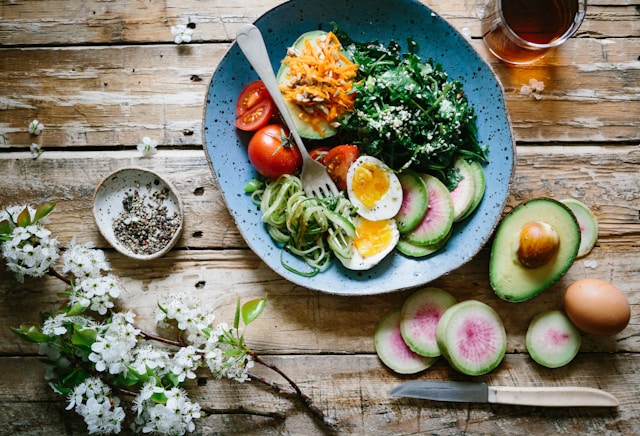
If you are deciding what to eat during menopause, Mediterranean-style eating is one of the easiest places to start. It emphasizes vegetables, fruit, beans, lentils, whole grains, nuts, olive oil, fish, and fewer highly processed foods. You can apply it without banning carbohydrates, counting every gram, or buying specialty products.
DASH overlaps heavily with Mediterranean eating, but it adds more attention to sodium and blood-pressure-friendly food choices. That can matter in midlife as cardiovascular risk becomes more important after menopause. The National Institute on Aging notes that after menopause, women become more vulnerable to conditions such as heart disease and osteoporosis.
A healthy plant-based pattern also performed well, but the word “healthy” is doing real work. Beans, lentils, oats, nuts, vegetables, fruit, and intact whole grains differ from refined bread, sweetened cereal, fries, cookies, and packaged snacks that happen to be plant-based.
For a broader midlife framework that includes protein, fiber, calories, and recovery, BeeFit’s Nutrition After 40 guide is a useful next step.
Does Low-Carb Work Better During Menopause?
Low-carb is where the nuance matters. The study did not suggest that all carbohydrate reduction automatically helps. Healthy low-carb patterns looked more favorable than conventional or unhealthy low-carb patterns.
That difference matters in real life. A healthy lower-carb plate might include salmon, Greek yogurt, eggs, tofu, beans in moderate portions, vegetables, nuts, olive oil, berries, and minimally processed starches. An unhealthy lower-carb pattern can still lean heavily on processed meats, low-fiber packaged foods, too few plants, and poor overall diet quality.
The takeaway is not “carbs cause menopause weight gain.” Oats, lentils, fruit, potatoes, and whole grains do not behave like refined snacks and desserts simply because they contain carbohydrates. If you reduce carbs, improve carbohydrate quality first instead of removing every fiber-rich food from your diet.
Lower-Insulinemic and Planetary Health Patterns, Made Practical
The lower-insulinemic pattern was associated with less weight gain in the study. That does not mean insulin is bad or that you need to fear normal insulin responses after meals. Insulin is part of normal metabolism.
In practical terms, this pattern again points toward better food quality. It favors more fruit, whole grains, plant protein, and unsaturated fats, with less reliance on refined meals, fries, processed meats, and sodium-heavy foods. Building meals that keep you full and nourished helps more than micromanaging the insulin effect of every ingredient.
The Planetary Health pattern had one of the strongest associations with lower obesity risk. This plant-forward approach emphasizes vegetables, fruit, whole grains, beans, lentils, nuts, unsaturated oils, and less red and processed meat. You do not need exact targets to benefit from the general idea: make more meals from minimally processed plants, then add protein and fats that fit your preferences and health needs.
Ultra-Processed Foods Matter, But Convenience Is Not the Enemy
In the menopause study, higher ultra-processed-food intake was associated with more weight gain and higher obesity risk. That finding also fits with a controlled feeding trial published in Cell Metabolism. Participants ate more calories and gained weight on an ultra-processed diet compared with a minimally processed diet, even when researchers matched several nutrients.
This does not mean every packaged food is a problem. Frozen vegetables, canned beans, canned fish, plain Greek yogurt, tofu, pre-washed salad, high-fiber wraps, and simple protein options can make good nutrition easier. Problems rise when most meals come from foods that are highly refined, easy to overeat, low in fiber, and low in intact food structure.
A practical filter: if a convenience food helps you eat more protein, fiber, produce, or minimally processed meals, it can support the plan. If it mostly adds snack calories without fullness, consider reducing it rather than trying to “fit it in” every day.
What to Eat During Menopause: A Simple Meal Framework
You do not need to calculate 11 diet scores to decide what to eat during menopause. Build most meals from a few repeatable parts:
- Vegetables or fruit: Aim for color and variety across the day, not perfection at every meal.
- Quality protein: Fish, eggs, Greek yogurt, poultry, lean meat, tofu, tempeh, beans, lentils, or cottage cheese.
- Fiber-rich carbohydrates: Oats, beans, lentils, fruit, potatoes, brown rice, quinoa, and other minimally processed starches.
- Mostly unsaturated fats: Olive oil, nuts, seeds, avocado, and fatty fish.
- Calcium-rich foods: Dairy, fortified alternatives, calcium-set tofu, canned fish with bones, and leafy greens can help support bone health. The NIH Office of Dietary Supplements provides detailed guidance on calcium needs.
- Less ultra-processed food: Reduce the foods that are easiest to overeat before worrying about tiny details.
Protein deserves special attention if you are also trying to lose fat or maintain muscle. BeeFit’s Protein After 40 guide explains how to set a realistic target without turning every meal into chicken breast and protein powder.
Avoid repeated crash diets. Eating too little can make training feel worse, increase hunger, reduce dietary variety, and make it harder to cover protein, calcium, fiber, and other nutrient needs. If fat loss is the goal, BeeFit’s Fat Loss After 40 guide focuses on a moderate, muscle-protective approach.
Which Menopause Diet Is Most Practical?
For most women, the best answer to what to eat during menopause is a flexible Mediterranean-style base with a few borrowed principles. Use DASH’s sodium awareness, healthy plant-based eating’s emphasis on legumes and whole grains, healthy low-carb’s attention to carbohydrate quality, and the Planetary Health pattern’s focus on minimally processed plants.
That might look like Greek yogurt with berries and nuts for breakfast, a lentil-and-chicken salad for lunch, salmon with potatoes and vegetables for dinner, or tofu stir-fry with brown rice. None of those meals is a “menopause diet.” They are simply high-quality meals that support fullness, muscle, bone health, and long-term consistency.
Nutrition also works better when paired with resistance training, daily movement, and recovery. For the training side of midlife health, see BeeFit’s Women’s Fitness After 40.
The Bottom Line
The best diet during menopause is not one rigid plan. The strongest patterns overlap in the places that matter: more vegetables, fruit, legumes, nuts, whole grains, quality protein, and unsaturated fats; fewer ultra-processed foods and heavily refined meals.
If you are unsure what to eat during menopause, start with food quality. Build meals you can repeat, then adjust the details around your appetite, health conditions, training, culture, budget, and preferences.
This article is for informational purposes only and is not a substitute for medical or individualized nutrition advice. Speak with a qualified healthcare professional before making major dietary changes if you have diabetes, kidney disease, an eating disorder, unexplained weight changes, use weight-loss medication, or have another medical condition affecting nutrition.
Photo: Brooke Lark / Unsplash
Discover more from BeeFit: Fitness & Wellness
Subscribe to get the latest posts sent to your email.
Share :