Back muscles and heart health may be more connected than most people realize. New research using artificial intelligence suggests that the quality of muscles around the chest, back, and spine may help reveal important clues about cardiovascular risk.
This does not mean your back muscles directly “control” your heart. It means muscle quality may act as a visible marker of a healthier, more active, more resilient body.
Quick Take
- AI analysis of heart-scan images suggests that muscle quality around the chest, back, and trunk may be linked with future cardiovascular risk.
- The key marker is not simply muscle size. It is muscle density, which may reflect less fat infiltration and better tissue quality.
- Higher-quality trunk muscles may be a sign of better physical activity, better metabolic health, and stronger overall resilience.
- This research does not prove that planks, Pilates, or back training directly prevent heart attacks. However, it supports the bigger message that regular movement and strength training matter for heart health.
- The practical takeaway is simple: train for functional strength, not just appearance.
For years, fitness culture has focused on how muscle looks: bigger arms, wider shoulders, thicker chest, lower body fat. However, medical imaging is starting to show that what matters most may not be muscle size alone. The density and quality of muscle tissue may tell a deeper story about aging, movement, inflammation, and long-term health.
Why Back Muscles and Heart Health Are Connected
A routine heart scan is usually ordered to look at arteries, plaque, and signs of cardiovascular disease. However, researchers are now finding that those same scans may contain additional information about the rest of the body.
Using artificial intelligence, scientists can analyze tissues that are already visible on the scan, including muscles around the chest, ribs, back, and spine. These muscles are not the heart itself, but their quality may reflect a person’s broader health status.
That matters because cardiovascular risk is not only about arteries. It is also influenced by physical activity, inflammation, metabolic health, body composition, insulin sensitivity, and aging. Muscle quality sits at the center of many of those factors.
In other words, back muscles and heart health may be linked because both reflect the condition of the whole system.
Muscle Quality Matters More Than Muscle Size
One of the most important ideas from this research is that bigger muscle is not always better muscle.
A large muscle can still have lower quality if it contains more fat infiltration. On imaging, this can show up as lower muscle density. Meanwhile, a smaller but denser muscle may reflect better tissue quality and better functional health.
This is an important distinction for fitness.
Hypertrophy, or muscle growth, can be valuable. Building muscle supports strength, metabolism, blood sugar control, joint health, and aging. However, appearance alone does not tell the whole story. A person can look muscular and still have poor conditioning, poor recovery, poor cardiovascular fitness, or high visceral fat.
The goal should not be muscle size at any cost. The goal should be muscle that performs well, supports movement, and reflects good health.
That means training should include:
- Progressive strength training
- Daily movement
- Cardiovascular conditioning
- Core and trunk stability
- Good sleep
- Protein and fiber-rich nutrition
- Recovery and consistency
Muscle quality is built through repeated healthy inputs, not one exercise or one supplement.
What “Muscle Brightness” Means on a Scan
In CT imaging, different tissues appear differently depending on their density. Denser muscle tissue tends to appear “brighter,” while muscle with more fat infiltration may appear darker.
Researchers used AI to analyze these subtle differences in scans taken around the chest and trunk. The goal was to measure muscle quality in a way that the human eye may not reliably detect during a normal scan review.
This is where artificial intelligence becomes useful. AI can process large numbers of scans, identify tissue patterns, and measure features that might otherwise be overlooked.
In this case, the AI was not just looking at the heart. It was also reading the surrounding body composition signals that may help explain future risk.
This could eventually turn a routine heart scan into a broader health-assessment tool.
What the Study Found About Muscle Quality and Heart Risk
The study analyzed coronary artery CT angiography scans from more than 1,700 patients who were being evaluated for chest pain. Researchers looked at muscle quality in areas visible on the scan, including muscles around the back, chest, ribs, and trunk.
The key finding was that higher muscle density was associated with lower risk of future cardiovascular events and death over the follow-up period.
That does not mean muscle density alone determines your future. It also does not mean one scan can replace standard heart-health markers like blood pressure, cholesterol, blood sugar, smoking status, family history, or activity level.
However, the association is important because it suggests that muscle quality may provide an additional clue about cardiovascular resilience.
For doctors, this may eventually help identify people who need earlier lifestyle support, closer monitoring, or more aggressive prevention.
For everyone else, the message is simpler: the condition of your muscles may say more about your health than the mirror does.
Why Trunk Muscles Matter for Heart Health
The muscles visible on these heart scans include parts of the back, chest, and intercostal muscles between the ribs. Together, these muscles help support posture, breathing mechanics, spinal stability, and upper-body movement.
They are not usually the muscles people show off in gym selfies. However, they are central to how the body functions.
Strong, well-conditioned trunk muscles support:
- Better posture
- Easier breathing mechanics
- More stable movement
- Better force transfer during exercise
- Lower injury risk
- Greater functional strength
- More active daily living
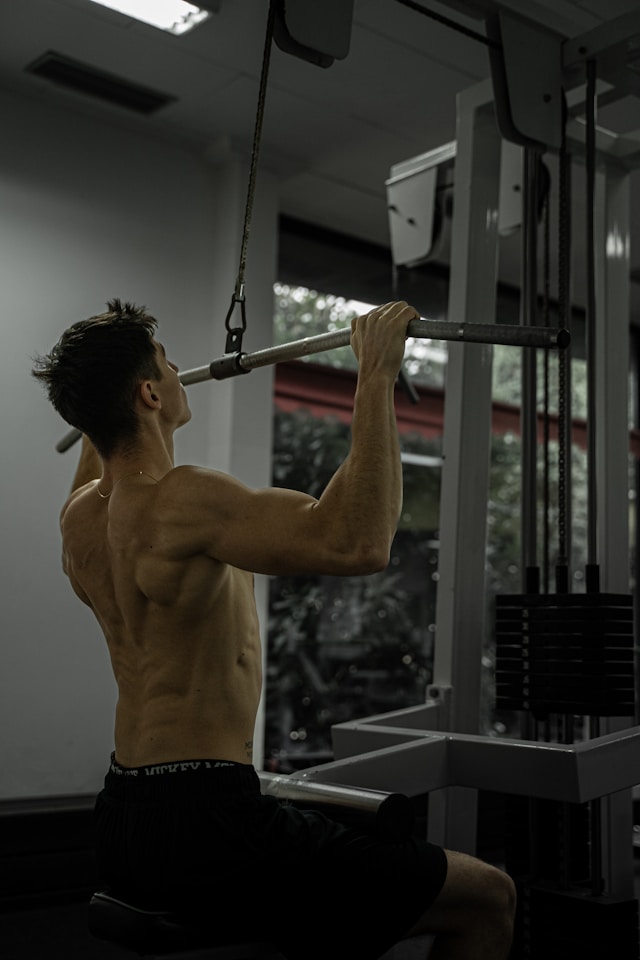
This is why exercises like rows, carries, planks, deadlifts, cable chops, Pilates, and controlled core work deserve more respect. They are not just “accessory” exercises. They help build the trunk strength that supports movement for life.
Training Back Muscles for Better Heart Health
This research should not make you panic about your back muscles. It should make you rethink what a complete fitness routine looks like.
If your program is built only around mirror muscles, you may be missing important health-focused work. Chest and arm training are fine, but they should not replace back strength, core stability, conditioning, and full-body movement.
A better weekly plan includes:
| Training goal | What to include |
|---|---|
| Strength | Squats, deadlifts, presses, rows, carries |
| Back and trunk quality | Rows, pulldowns, planks, bird dogs, carries, Pilates-style control |
| Heart health | Walking, cycling, swimming, zone 2 cardio, intervals when appropriate |
| Mobility | Thoracic rotation, hip mobility, shoulder control |
| Recovery | Sleep, rest days, protein, hydration, stress management |
The best program is not the one that only makes you look strong. It is the one that helps you move, breathe, recover, and age better.
Best Exercises for Trunk Muscle Quality
You do not need a complicated routine to train the muscles connected with better functional health.
Start with these:
| Exercise | Why it helps |
|---|---|
| Rows | Strengthens the upper and mid-back |
| Deadlifts or Romanian deadlifts | Builds posterior-chain strength |
| Farmer’s carries | Trains grip, trunk, posture, and full-body tension |
| Planks | Builds core endurance and trunk stability |
| Bird dogs | Improves spinal control |
| Cable chops or Pallof presses | Trains anti-rotation strength |
| Push-ups or presses | Builds chest and shoulder strength |
| Walking or cycling | Supports cardiovascular fitness |
For most people, the sweet spot is 2–4 strength sessions per week plus regular low-intensity cardio.
The Real Lesson: Train for Density, Not Just Size
The biggest lesson is not that everyone needs a CT scan to check their back muscles. The bigger lesson is that muscle quality matters.
Training for health should build tissue that is strong, active, and useful. That means lifting progressively, moving often, eating enough protein, controlling body fat, and keeping the cardiovascular system active.
A body that looks strong but cannot recover, move well, or handle daily physical stress is not the goal.
A better goal is functional muscle: muscle that supports your heart, joints, metabolism, posture, and long-term independence.
Bottom Line
Back muscles and heart health may seem unrelated, but new AI-based imaging research suggests they may be connected through a larger story: muscle quality, physical activity, and whole-body resilience.
This does not mean bigger muscles automatically mean a healthier heart. It also does not mean one exercise can prevent heart disease.
However, it does reinforce one of the most important principles in fitness: strength training and regular movement are not just about appearance. They are long-term health investments.
Train your back. Build your trunk. Walk more. Lift consistently. Recover well.
The mirror can show part of your progress, but the real goal is building the kind of body that stays strong from the inside out.
Related BeeFit Guides
- Strength Training After 40
- Fat Loss After 40
- Nutrition After 40
- Protein for Muscle Growth
- HIIT vs LISS Fat Loss
- BeeFit AI Calculator
This article is for informational purposes only and is not medical advice. Heart disease risk depends on many factors, including blood pressure, cholesterol, blood sugar, smoking, family history, activity level, body composition, medication use, and existing medical conditions. Talk with a qualified healthcare professional before making major exercise or health changes, especially if you have chest pain, heart disease, shortness of breath, dizziness, or other concerning symptoms.
Photo: Jakub Klucký / Unsplash
Discover more from BeeFit: Fitness & Wellness
Subscribe to get the latest posts sent to your email.
Share :