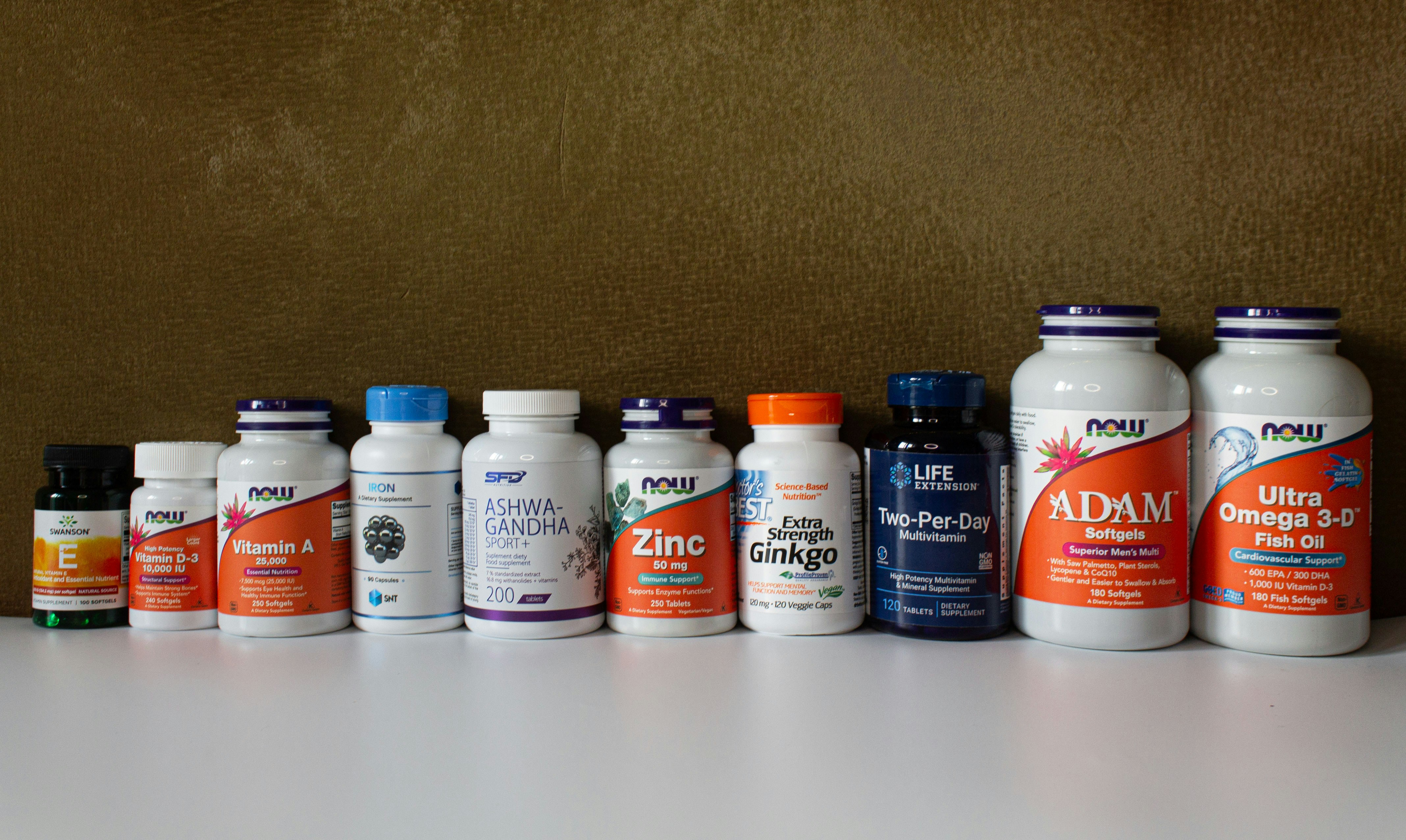
If you are looking for science-backed energy supplements, start with a less exciting question: why is your energy low in the first place? A supplement can help when it corrects a deficiency, supports a specific training demand, or fills a clear nutrition gap. It is much less useful when used to cover poor sleep, under-eating, dehydration, overtraining, or an untreated medical issue.
Quick Take
- Vitamin B12, vitamin D, and iron are most useful when testing shows you are low.
- Creatine supports rapid ATP regeneration during lifting, sprinting, intervals, and repeated hard efforts.
- Magnesium may help indirectly when low intake, poor sleep, cramps, or high sweat loss are part of the problem.
- CoQ10 and beetroot are context-specific: promising for some people, underwhelming for others.
- No energy supplement reliably replaces sleep, enough food, hydration, recovery, or medical care.
Why Science-Backed Energy Supplements Can Disappoint
Low energy is not one condition. It can come from short sleep, low calories, dehydration, high training volume, low iron, low vitamin D, thyroid problems, medication side effects, depression, sleep apnea, pregnancy, heavy menstrual bleeding, or stress that never lets your body recover.
That is why many “energy blends” are unreliable. They often combine caffeine or other stimulants with small amounts of nutrients, then market the formula as cellular fuel. You may feel something for a few hours, but a short lift is not the same as fixing the reason you felt tired.
A better approach is targeted: check the common correctable issues, use single-ingredient supplements when appropriate, and judge results against sleep, food, training, symptoms, and lab markers. For a deeper look at how your cells turn food and oxygen into usable energy, BeeFit’s guide to mitochondrial energy pairs well with this article.
Deficiency-Related Energy Supplements: B12, Vitamin D, and Iron
Vitamin B12
Vitamin B12 is essential for nerve function, DNA production, and healthy red blood cell formation. A true deficiency can cause fatigue, weakness, shortness of breath, neurological symptoms, and megaloblastic anemia, according to the NIH Office of Dietary Supplements.
That does not make B12 a universal energy booster. If your level is already adequate, extra B12 is unlikely to make you more awake or noticeably improve workouts. It matters most for vegans, vegetarians, older adults, people with absorption problems, and those using certain acid-reducing medications or metformin.
Practical use: Ask your clinician whether serum B12, methylmalonic acid, or related markers make sense based on your diet and symptoms. If tests confirm deficiency, the dose and form should match the cause; some people do well with oral supplements, while others require injections.
Vitamin D
Vitamin D supports bone health, muscle function, immune regulation, and many cellular processes. Low status is more common with limited sun exposure, darker skin, higher body fat, northern climates, or low intake from fortified foods and fatty fish.
Some people with low vitamin D report fatigue, muscle aches, low mood, or poor recovery. Symptoms alone, however, are not specific enough to diagnose deficiency. Testing 25-hydroxyvitamin D is the cleanest way to know whether supplementation is likely to help. BeeFit’s overview of vitamins for mood, energy, and immunity explains how vitamin D fits into a broader nutrition plan.
Practical use: If your level is low, your healthcare provider may recommend a daily dose or a short-term higher-dose plan. Take vitamin D with a meal that contains fat, and retest after an appropriate interval rather than raising the dose indefinitely.
Iron
Iron helps make hemoglobin, the protein that carries oxygen in your blood. Low iron can show up as heavy fatigue, reduced exercise tolerance, dizziness, pale skin, shortness of breath, restless legs, or workouts that suddenly feel much harder than usual.
Iron is also the supplement on this list where guessing is riskiest. Too much can cause gastrointestinal side effects and, in some cases, dangerous iron overload. Menstruating women, pregnant people, endurance athletes, vegetarians, and people with gastrointestinal blood loss or absorption issues are more likely to need assessment.
Practical use: Do not start iron just because you are tired. Ask about ferritin, hemoglobin, transferrin saturation, and possible causes of blood loss. If prescribed, take iron away from coffee, tea, calcium, and high-fiber meals because those can reduce absorption.
Creatine: Performance Energy for Hard Efforts
Creatine is one of the best-supported science-backed energy supplements for performance, but not because it feels like caffeine. It increases phosphocreatine availability in muscle. That helps regenerate ATP during short, intense efforts such as heavy sets, sprints, jumps, and repeated intervals.
The International Society of Sports Nutrition describes creatine monohydrate as effective for increasing high-intensity exercise capacity and lean mass when paired with training. It also reports a strong safety record in healthy people using appropriate doses. The full ISSN position stand on creatine gives the deeper evidence base.
Creatine may also help some people under cognitive stress, sleep loss, or high mental demand, although that evidence is not as strong as the exercise data. It is not a stimulant, and most people should expect gradual benefits over weeks rather than an immediate lift.
Practical use: Creatine monohydrate is the standard form. A simple 3–5 grams daily works for most adults; timing matters less than consistency. If you have kidney disease or receive medical care for a renal condition, ask your clinician before using it. For training-related context, BeeFit’s guide to post-workout recovery supplements explains where creatine fits after exercise.
Magnesium and CoQ10: Context-Specific Energy Support
Magnesium
Magnesium supports hundreds of enzyme systems. These include processes involved in ATP metabolism, muscle contraction, nerve signaling, and glucose regulation. Low intake can contribute to fatigue-like symptoms, cramps, irritability, and poor recovery. This is especially relevant when diet quality is low or sweat losses are high. The NIH magnesium fact sheet also notes that high supplemental intakes can cause diarrhea and other gastrointestinal effects.
Still, magnesium is not a dramatic “energy pill” for someone who already gets enough. Its best energy-related use is often indirect: better evening calm, fewer cramps, improved sleep habits, and better recovery consistency.
Practical use: Magnesium glycinate or bisglycinate is often easier on the stomach than some other forms. Start low. People with kidney disease, heart rhythm concerns, or medications that affect minerals should ask a healthcare professional first.
CoQ10
Coenzyme Q10 helps mitochondria produce ATP and also acts as an antioxidant. Your body makes it naturally, but levels may change with age and some medications. Statins can lower circulating CoQ10. Even so, the evidence that CoQ10 reliably improves statin-associated muscle pain is mixed; the National Center for Complementary and Integrative Health summarizes that the overall evidence does not clearly support it for statin muscle pain.
CoQ10 may be worth discussing if you are older, have a condition linked with fatigue, or take a statin and notice muscle symptoms. For healthy younger adults with no clear issue, the energy payoff is less predictable than creatine or correcting a nutrient deficiency.
Practical use: CoQ10 is fat-soluble, so people usually take it with a meal. Give it several weeks before judging results, and do not use it as a substitute for medical evaluation if fatigue is new, severe, or worsening.
Beetroot: Exercise Energy Support, Not Everyday Energy
Beetroot powder and beetroot juice are rich in dietary nitrate. Your body can convert nitrate into nitric oxide, which helps blood vessels relax and may improve oxygen delivery during exercise. That is why people often use beetroot before endurance sessions, time trials, or repeated high-effort work.
The evidence is promising but variable. A systematic review and meta-analysis on dietary nitrate found potential endurance benefits in healthy adults. Responses still depend on training status, dose, timing, exercise type, and study design. Highly trained athletes may see smaller or less consistent effects than recreational athletes.
Practical use: Treat beetroot as a pre-workout performance tool, not a daily cure for fatigue. Many protocols use nitrate-rich beetroot 2–3 hours before exercise. Avoid antibacterial mouthwash around dosing because oral bacteria help convert nitrate to nitrite, an early step in the nitric oxide pathway.
How to Choose Science-Backed Energy Supplements Safely
The safest sequence is simple: investigate first, supplement second. Get medical advice instead of trying to self-correct with supplements if fatigue lasts more than a couple of weeks, affects daily life, or comes with warning signs. These include chest pain, shortness of breath, fainting, unexplained weight change, heavy bleeding, persistent low mood, or major sleep disruption.
When a supplement does make sense, choose one ingredient at a time. That lets you evaluate whether it actually helps and reduces the chance of side effects or interactions. Third-party testing is also useful, especially for athletes who need to avoid banned or contaminated products.
For most people, the strongest starting points are not exotic. Check vitamin D, B12, iron status, thyroid function, sleep quality, hydration, total calories, protein intake, and training load. Science-backed energy supplements work best when they solve a defined problem rather than cover up a lifestyle mismatch. If your low energy is tied to hard training blocks, BeeFit’s guide to muscle recovery supplements can help you separate recovery support from general fatigue fixes.
FAQ
Which energy supplement should I try first?
If fatigue is persistent, start with assessment rather than guessing. Vitamin D, B12, iron status, thyroid markers, sleep quality, food intake, and medication review are often more useful than buying a multi-ingredient energy blend.
Can I take energy supplements with coffee?
Sometimes, but not always. Coffee can reduce iron absorption, and caffeine late in the day can worsen the sleep problems that cause fatigue. When in doubt, take minerals and iron away from coffee and use caffeine earlier in the day.
How long before I feel a difference?
Creatine and beetroot may affect workouts within days to weeks. Correcting deficiencies can take several weeks or longer depending on the deficiency, dose, absorption, and underlying cause. If nothing changes, reassess instead of adding more products.
The Practical Bottom Line
The best science-backed energy supplements are targeted tools. B12, vitamin D, and iron matter most when you are low. Creatine supports hard physical work. Magnesium, CoQ10, and beetroot can help in the right context, but none replaces sleep, food, hydration, recovery, or medical care.
If your energy is off, look for the bottleneck before buying the fix. A supplement matched to the real problem is useful. One used to avoid the real problem usually is not.
This article is for informational purposes only and is not a substitute for professional medical advice, diagnosis, or treatment. Always consult with a qualified healthcare provider before starting any new supplement, exercise, or nutrition program, especially if you are pregnant, have a medical condition, take prescription medication, or have persistent or worsening fatigue.
Discover more from BeeFit: Fitness & Wellness
Subscribe to get the latest posts sent to your email.
Share :