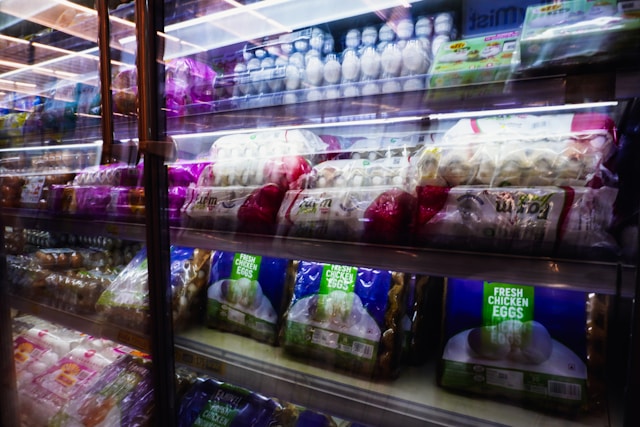
High-protein foods are everywhere now. Cereal has protein. Chips have protein. Soup has protein. Pasta has protein. Even snacks that used to be mostly carbs or fat now advertise protein grams on the front of the package.
That does not automatically make them bad. It also does not automatically make them worth buying.
The smarter question is simple: are you paying for useful protein, or are you paying extra for marketing?
Quick Take
- High-protein foods can be useful when they help you hit your protein target with less effort.
- A good product should provide enough protein for the calories, price, and overall nutrition label.
- Greek yogurt, skyr, ready-to-drink shakes, protein pasta, and some protein soups can be worth it.
- Protein chips, protein cereal, protein cookies, and tiny snack packs are often more about marketing than nutrition.
- The best comparison is cost per 20 grams of protein, not just the front-of-package claim.
- Whole foods like eggs, Greek yogurt, cottage cheese, tofu, fish, chicken, beans, and lentils are still the foundation.
- Packaged high-protein foods should solve a real problem: convenience, appetite control, meal balance, or protein gaps.
Protein matters. It supports muscle repair, satiety, recovery, and body composition. The International Society of Sports Nutrition recommends about 1.4–2.0 grams of protein per kilogram of body weight per day for most exercising individuals.
However, the grocery aisle has turned protein into a marketing language. A product can be “high protein” and still be expensive, low in fiber, high in sodium, high in added sugar, or less filling than a simple whole-food alternative.
That is why this guide compares popular high-protein foods and shows you how to decide what is actually worth buying.
Why High-Protein Foods Are Booming
Protein used to be a fitness niche. Now it is mainstream.
People want protein for muscle, fat loss, healthy aging, GLP-1 weight loss support, appetite control, and convenience. Food companies know this, so the word “protein” has moved from gym tubs to cereal boxes, soup cups, snack bags, yogurt containers, pasta boxes, and ready-to-drink shakes.
The problem is not protein itself. The problem is that protein claims can distract you from the rest of the label.
A snack with 15 grams of protein may still be a weak choice if it is expensive, low in fiber, high in calories, or not very filling. In addition, many high-protein packaged foods are still ultra-processed. A 2024 BMJ umbrella review linked higher ultra-processed food exposure with higher risk of several adverse health outcomes, although observational research cannot prove that every individual product causes harm by itself: BMJ ultra-processed food review.
The BeeFit rule is simple:
Do not judge a food by protein grams alone.
Judge it by protein, calories, fiber, ingredients, price, convenience, and how it fits your day.
The BeeFit Protein Value Test
Before buying a high-protein product, ask six questions.
| Question | Why it matters |
|---|---|
| How much protein do I actually get? | Some products advertise protein but only provide a small amount. |
| How many calories come with it? | A protein snack can still be calorie-dense. |
| How much fiber does it have? | Fiber helps fullness and gut health. |
| How much added sugar or sodium is included? | Protein does not cancel out a weak label. |
| Is it a meal, snack, or dessert? | Many products pretend to be meals but behave like snacks. |
| What does 20 grams of protein cost? | Price reveals whether you are paying for nutrition or branding. |
The easiest comparison is cost per 20 grams of protein.
Use this formula:
Price per 20g protein = product price ÷ grams of protein × 20
Example:
| Product | Price | Protein | Cost per 20g protein |
|---|---|---|---|
| Protein bar | $3.00 | 20g | $3.00 |
| Greek yogurt | $1.50 | 18g | $1.67 |
| Ready-to-drink shake | $3.50 | 30g | $2.33 |
| Protein chips | $2.75 | 14g | $3.93 |
| Cottage cheese | $1.75 | 25g | $1.40 |
Prices vary by store and brand. Still, this framework helps you compare products quickly.
If a product is expensive per 20 grams of protein and not very filling, it is probably more marketing than nutrition.
Protein Soup vs. Protein Shake: Which Is the Better Small Meal?
Both options can work as small meals, but they solve different problems. A soup usually gives you warmth, volume, and the chance to add fiber-rich ingredients. A shake is faster, easier to carry, and better when convenience matters most.
| Option | Best for | Watch out for |
|---|---|---|
| Protein soup | Warm meal, more volume, fiber, vegetables | Sodium, small portions, low protein per serving |
| Protein shake | Convenience, post-workout, travel, low appetite | Low fiber, not filling enough, price |
Soup is usually the better choice when you want something that feels like a real meal. It often has more volume than a shake, which can help with fullness. When it includes beans, lentils, chicken, turkey, tofu, vegetables, or whole grains, it may also offer a stronger nutrition profile.
A good protein soup should have 20 grams or more of protein if used as a small meal. It should also provide fiber, reasonable sodium, and ingredients that look like food.
A ready-to-drink shake is better when convenience matters most. It works after a workout, during travel, between meetings, or when appetite is low. It can also help people who struggle to eat enough protein during weight loss.
Verdict: protein soup is usually better as a small meal. A protein shake is better as a quick protein tool.
Whole Foods vs. High-Protein Packaged Foods
Whole foods usually win for nutrition quality, fullness, and cost.
Packaged high-protein foods win for convenience.
That does not mean you need to avoid packaged foods. It means you should know what job the product is doing.
| Goal | Better choice |
|---|---|
| Cheapest protein | Eggs, Greek yogurt, cottage cheese, tofu, canned tuna, beans |
| Fastest protein | Ready-to-drink shake, protein bar, yogurt cup |
| Most filling | Greek yogurt bowl, eggs, lentil soup, chicken bowl |
| Best travel option | Protein bar, shake, jerky, roasted edamame |
| Best meal base | Protein pasta, bean chili, high-protein soup |
| Best snack replacement | High-protein yogurt, cottage cheese, shake |
| Most likely marketing | Protein chips, protein candy, dessert bars |
A packaged protein food should make your diet easier, not replace the basics.
If you already eat enough protein from real meals, you do not need to chase every high-protein version of a snack.
7 High-Protein Foods That Are Usually Worth It
These foods are usually worth buying when the label is strong and the price fits your budget.
| Food | Why it is worth it |
|---|---|
| Greek yogurt or skyr | High protein, versatile, filling |
| Cottage cheese | High protein, simple snack or meal base |
| Ready-to-drink shake | Excellent convenience |
| Protein pasta | Turns a carb-heavy meal into a more balanced meal |
| Lentil or bean soup | Protein plus fiber |
| Eggs or egg bites | Easy breakfast protein |
| Tofu or edamame | Plant-based protein with meal flexibility |
High-protein yogurt is one of the safest packaged options. Greek yogurt, skyr, and strained yogurts provide protein, calcium, and a flexible base for meals or snacks. Add berries, oats, chia seeds, or nuts to make it more filling.
Protein pasta can also be useful because it usually becomes part of a real meal. Pasta made from lentils, chickpeas, edamame, peas, or higher-protein wheat blends can add protein and fiber without requiring a separate protein shake.
Ready-to-drink shakes are useful when convenience is the real problem. They are not magic, but they can help you hit your target on busy days.
5 High-Protein Foods That Are Mostly Marketing
These foods are not always bad. They are just easier to overpay for.
| Food | Why to be careful |
|---|---|
| Protein chips | Often expensive and not very filling |
| Protein cereal | Can be pricey and easy to overeat |
| Protein cookies | Often dessert with protein added |
| Protein candy | Usually a treat, not a nutrition strategy |
| Tiny protein snacks | Protein claim may be too small to matter |
Protein chips are a good example. They may offer more protein than regular chips, but they are still snack foods. They are often expensive per 20 grams of protein and may not be as filling as yogurt, cottage cheese, eggs, tuna, tofu, or a real meal.
Protein cereal can help if you love cereal and struggle to get protein at breakfast. However, it is often expensive and may be less satisfying than eggs, Greek yogurt, cottage cheese, or a smoothie.
The question is not whether these foods are “allowed.” They are. The question is whether they are actually helping.
How Much Should You Pay for 20 Grams of Protein?
There is no perfect number because prices vary. Still, this rule helps.
| Cost per 20g protein | BeeFit rating |
|---|---|
| Under $1.50 | Great value |
| $1.50–$2.50 | Reasonable |
| $2.50–$3.50 | Convenience price |
| Over $3.50 | Mostly branding unless it solves a real problem |
A $3.50 ready-to-drink shake may be worth it at the airport. The same price may not make sense at home if Greek yogurt, eggs, tofu, cottage cheese, tuna, or protein powder are available.
The real question is:
Does this product solve a problem, or does it just make protein look exciting?
How to Read a High-Protein Food Label
Use this checklist before buying.
Step 1: Check Protein Per Serving
Look for at least 15–20 grams for a snack, 20–30 grams for a small meal, and 30 grams or more for a larger meal.
Step 2: Check Calories
A 20-gram protein snack at 180–250 calories may be useful. A 20-gram protein snack at 400 calories may still fit, but it is no longer a light snack.
Step 3: Check Fiber
Fiber helps fullness and gut health. Look for at least 3 grams in snacks and 5 grams in meal-style products when possible.
Step 4: Check Added Sugar
Some products add protein but keep dessert-level sugar. That may be fine as a treat, but it should not be confused with a high-quality staple.
Step 5: Check Sodium
Protein soups, chips, jerky, and frozen meals can be high in sodium. That does not make them automatically bad, but it matters if you eat them often.
Step 6: Check Price
Calculate cost per 20 grams of protein. That one number cuts through a lot of marketing.
High-Protein Foods FAQ
Are High-Protein Foods Healthy?
Some are. Some are mostly marketing. A high-protein label does not automatically mean the product is nutritious. Check protein, calories, fiber, added sugar, sodium, ingredients, and price.
Are Protein Chips Better Than Regular Chips?
Sometimes, but they are still snack foods. They may provide more protein than regular chips, but they are often expensive and not very filling.
Is Protein Cereal Worth It?
Protein cereal is worth it if it improves your breakfast and keeps you full. It is less worth it if it is expensive, low in fiber, high in added sugar, or leaves you hungry.
Are Ready-to-Drink Protein Shakes Healthy?
They can be useful. Choose shakes with enough protein, low added sugar, and a price that makes sense. They are best for convenience, not as a replacement for every meal.
What Is the Cheapest Way to Eat More Protein?
Usually whole foods. Eggs, Greek yogurt, cottage cheese, canned tuna, tofu, lentils, beans, chicken, milk, and protein powder often beat packaged snacks on cost per 20 grams of protein.
Should I Avoid Ultra-Processed High-Protein Foods?
You do not need to avoid every packaged food. However, high-protein ultra-processed foods should not replace most of your diet. Use them when they solve a real convenience problem.
Bottom Line: Buy Protein, Not Just the Protein Label
High-protein foods can be useful.
They can also be overpriced marketing.
The difference comes down to what the product actually gives you. Look beyond the front label. Check the protein, calories, fiber, added sugar, sodium, ingredients, and price per 20 grams of protein.
Protein yogurt, protein pasta, ready-to-drink shakes, and some protein soups can be worth it. Protein chips, protein cereal, protein cookies, and tiny snack packs deserve more skepticism.
The best plan is simple: build most of your protein from whole foods, then use packaged high-protein foods when they make your life easier.
For more support, read BeeFit’s guides on Protein for Muscle Growth, How Much Protein Per Meal, Protein Timing, Nutrition After 40, Muscle Building Fundamentals, and the BeeFit AI Calculator.
This article is for informational purposes only and is not medical or nutrition advice. Talk with a qualified healthcare professional or registered dietitian if you have kidney disease, diabetes, food allergies, eating-disorder history, digestive disorders, or a medical condition that affects your diet.
Photo: Adhitya Sibikumar / Unsplash
Discover more from BeeFit: Fitness & Wellness
Subscribe to get the latest posts sent to your email.
Share :